The Signature Style of Nvidia CEO Jensen Huang Sparks Fashion Trends and Economic Ripple Effects Across South Korea

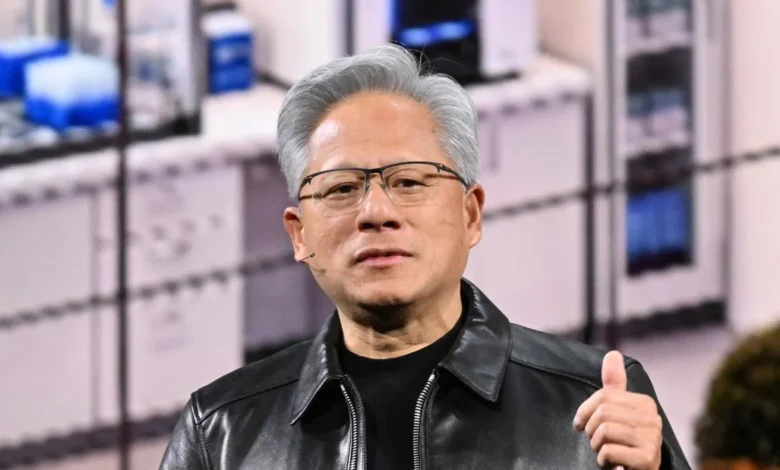
The intersection of technology and fashion has long produced iconic visual identities, from the minimalist turtleneck of Apple co-founder Steve Jobs to the utilitarian grey hoodies preferred by Meta CEO Mark Zuckerberg. In recent years, Jensen Huang, the co-founder and chief executive officer of Nvidia, has cemented his own distinct place in the pantheon of tech executive branding. Recognized universally by his trademark black leather jacket, Huang has maintained this signature aesthetic for approximately two decades. This deliberate choice in personal presentation recently transcended corporate boundaries, sparking a widespread consumer trend in South Korea following a high-profile public appearance. The phenomenon highlights the profound cultural and economic influence that modern technology titans hold over global consumer markets, extending far beyond the semiconductor and artificial intelligence sectors they command.
Main Facts and the South Korean Fashion Phenomenon
The aesthetic footprint of the 63-year-old technology billionaire became a focal point of public fascination in South Korea, particularly coinciding with his strategic visit to the country earlier in the month of June. Huang’s standard ensemble—consisting of a sleek black leather jacket, a matching black t-shirt, and dark denim jeans—has served as his reliable uniform across global technology summits, earnings reports, and high-level diplomatic meetings.
Upon Huang’s arrival in South Korea, local consumer markets experienced an immediate and measurable reaction. E-commerce platforms across the nation noted a sudden surge in listings for outerwear mirroring the CEO’s preferred style. Retailers quickly capitalized on the public interest, introducing product categories specifically searchable under terms such as the "Jensen Huang Jacket." According to data analytics from Google Trends, search queries incorporating the term "leather jacket" spiked by an impressive 130 percent on the exact day of Huang’s touchdown in South Korea. This sudden consumer fixation illustrates how the personal habits of prominent industry leaders are rapidly absorbed into mainstream pop culture and retail trends, propelled by real-time digital connectivity and social media amplification.
Background Context: The Philosophy Behind the Wardrobe
To understand the sudden commercial appeal of Huang’s attire, industry analysts look to the practical philosophy governing the CEO’s daily routine. According to statements released by Nvidia representatives during a comprehensive executive profile published in 2023, Huang’s wardrobe minimalism is rooted in efficiency. By eliminating daily sartorial decisions, the chief executive preserves cognitive bandwidth, allowing him to concentrate fully on steering a multi-billion-dollar enterprise at the forefront of the artificial intelligence revolution.
Furthermore, the curation of Huang’s appearance is not entirely a solitary endeavor. The tech leader has previously disclosed that his wardrobe choices are frequently guided by his family, specifically his wife and his daughter, Madison Huang. Notably, Madison brings a professional background within the luxury fashion sector, having previously gained industry experience working with affiliates of LVMH, the French multinational luxury goods conglomerate. This familial collaboration bridges the gap between utilitarian tech wear and high-end aesthetic precision, ensuring that Huang’s uniform remains sharp, deliberate, and visually resonant with global audiences.
Chronology of Events and the Evolution of Executive Branding
The journey of Jensen Huang’s personal brand mirrors the meteoric rise of Nvidia itself. Founded in 1993, Nvidia initially established its reputation as a pioneer in graphics processing units (GPUs) designed for the video gaming industry. For decades, Huang operated within the specialized sphere of hardware engineering and computer graphics, maintaining a relatively understated public profile.
As the digital landscape shifted toward deep learning, data centers, and generative artificial intelligence, Nvidia transformed into one of the most valuable corporations in the global technology ecosystem. Parallel to this corporate ascent, Huang’s visual presentation evolved into a deliberate public relations asset. The black leather jacket transitioned from casual executive attire into a recognized corporate symbol, frequently appearing on keynote stages where Huang announced breakthrough hardware architectures.
The timeline reached a distinct cultural milestone in June, when Huang’s scheduled engagements in South Korea drew intense media scrutiny. As a vital hub in the global semiconductor supply chain—housing key Nvidia partners such as SK Hynix and Samsung Electronics—South Korea’s technology sector closely monitors Huang’s every move. When the CEO stepped off the plane in his customary leather jacket, the convergence of high-stakes corporate diplomacy and pop-culture observation triggered the aforementioned retail frenzy across local digital marketplaces.
Supporting Data and Market Implications
The economic ramifications of a tech executive’s personal style may seem superficial at first glance, but market researchers view these trends as indicators of broader consumer confidence and cultural alignment with the technology sector. The 130 percent increase in leather jacket searches recorded by Google Trends in South Korea represents a quantifiable shift in consumer behavior driven by corporate admiration.
In the broader context of retail economics, apparel sales frequently mirror the popularity of cultural figures. When a prominent figure associated with unprecedented financial success and technological innovation endorses a specific aesthetic simply by wearing it, consumer desire naturally gravitates toward emulation. Retail analysts note that while tech founders of previous generations relied on understated or casual attire to project approachability and anti-establishment ethos—such as Zuckerberg’s hoodies or the late Steve Jobs’s signature Issey Miyake black mock turtleneck—Huang’s leather jacket projects a distinct blend of youthful rebellion, modern edge, and executive authority.
Official Responses and Corporate Image Management
While Nvidia’s public relations and investor relations teams primarily focus on earnings reports, supply chain resilience, and advanced artificial intelligence roadmaps, the corporate image cultivated by its leadership plays an undeniable role in brand equity. Representatives for the company have consistently maintained that Huang’s authentic presentation reflects his hands-on leadership style and unwavering focus on technological innovation rather than superficial trends.
In parallel, public scrutiny surrounding high-profile figures often extends beyond corporate achievements into personal narratives. Media outlets globally have tracked various facets of Huang’s life, including recent tabloid discussions regarding personal associations, which have occasionally intersected with international geopolitical narratives, such as unverified allegations involving foreign intelligence entities. Despite the cyclical nature of media gossip surrounding billionaire lifestyles, the core consumer base and institutional investors have remained focused on Nvidia’s foundational market dominance and technological output. Corporate communication strategies continue to emphasize transparency, product delivery, and strategic global partnerships over personal distractions.
Broader Impact and Future Outlook
The phenomenon of the "Jensen Huang style trend" in South Korea offers a compelling case study in the globalization of executive influence. As artificial intelligence continues to reshape the global economy, leaders of foundational technology firms wield an unprecedented level of cultural capital. Their actions, speech patterns, and even sartorial choices are scrutinized, analyzed, and ultimately commercialized by global consumer bases.
For South Korea’s retail and e-commerce sectors, the sudden spike in outerwear demand demonstrates the agility of modern digital marketplaces in capitalizing on real-time news cycles. Sellers were able to pivot marketing strategies within hours of Huang’s airport appearance, optimizing search engine terms to capture consumer interest.
Looking forward, the symbiosis between tech leadership and consumer culture is expected to deepen. As executives like Jensen Huang continue to occupy center stage in geopolitical and economic discussions regarding semiconductor manufacturing and artificial intelligence deployment, their personal brands will remain powerful marketing vectors. Whether through the standardization of practical workwear or the accidental creation of international fashion trends, the visual identity of Silicon Valley’s elite will continue to cast a long shadow over global consumer markets, proving that in the modern digital age, the attire of a visionary can be just as influential as the technology they create.
Related posts: