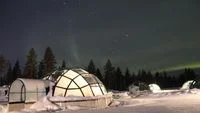
The shift toward immersive, nature-centric tourism has sparked a global trend in architectural hospitality, moving away from conventional concrete-walled hotels toward structures that offer unobstructed, panoramic views of the environment. Among the most popular iterations of this trend are geodesic domes and glass-roofed igloos, which blend the ruggedness of outdoor living with the comforts of modern luxury. Inspired by the traditional shelters of the Inuit people, these contemporary structures utilize advanced materials like thermal-insulated glass to provide travelers with an intimate connection to the night sky, landscapes, and weather phenomena without compromising on warmth or security.
The Evolution of Experiential Hospitality
The concept of the "glass igloo" gained prominence in the early 2000s, primarily in Nordic countries where the demand for aurora borealis sightings required accommodation that functioned as both a shelter and an observation deck. As climate-controlled glass technologies improved, the trend migrated from the Arctic Circle to temperate forests and lakeside retreats globally. Today, these accommodations are not merely overnight stays but are marketed as "experiential architecture," designed to mitigate the psychological stress of urban living by facilitating biophilic engagement—the innate human tendency to seek connections with nature.
A Global Tour of Geodesic Retreats
The following selection of ten destinations highlights the architectural diversity of these structures, ranging from remote forest domes to floating lake dwellings.
1. Woodland Dome, United Kingdom
Nestled within 45 hectares of private forest in Shropshire, the Woodland Dome offers a secluded escape for those seeking digital detox. Unlike simple tents, this structure features a king-sized bed, supplementary fold-out beds, and a fully functional kitchenette. The design emphasizes sustainability and privacy, featuring a Scandinavian-style wood-fired hot tub and a private deck, allowing guests to experience the English countryside’s nocturnal ecosystem.
2. Luxury Glass Igloo, Finland
Located in Kuusamo, Lapland, these structures are specifically engineered for the high-latitude traveler. By utilizing high-performance, heated glass panes, the igloos prevent frost accumulation, ensuring a clear view of the Northern Lights even during sub-zero temperatures. These units represent a significant investment in thermal engineering, providing a consistent interior temperature while maintaining a visual connection to the surrounding pine forests.
3. Lakeside Dome, United States
Situated along the rugged cliffs overlooking Lake Superior in Minnesota, the Lakeside Dome utilizes a geodesic frame to maximize structural integrity against high winds while offering expansive views of the Great Lakes. The addition of private hot tubs on exterior decks creates a temperature-contrasting experience, a staple feature in modern experiential tourism.
4. Dome Smiberget, Norway
Overlooking the Trondheim Fjord, this accommodation employs a unique hexagonal window configuration. The design is intentional, focusing on the intersection of maritime scenery and celestial observation. The architectural choice to use natural, local materials for the interior finish complements the fjord’s aesthetics, making it a focal point for sustainable luxury tourism in Scandinavia.
5. Geodesic Domes, Poland
Located in Żyrardów County, this site offers a more accessible entry point to the trend. By combining simple interior design with shared outdoor luxury amenities like jacuzzis and fire pits, the location serves as a case study in how smaller-scale hospitality ventures can leverage unique architecture to compete with larger resort chains.
6. Rüdehof, Germany
Breaking the traditional "igloo" mold, the Rüdehof in the Elbe River Valley serves as an example of "Hobbit-style" architecture. While not a classic transparent dome, it emphasizes the trend of integrated earth-sheltered living. Its location, 90 minutes from Hamburg, highlights the growing demand for rural "getaway" tourism accessible from major European urban centers.
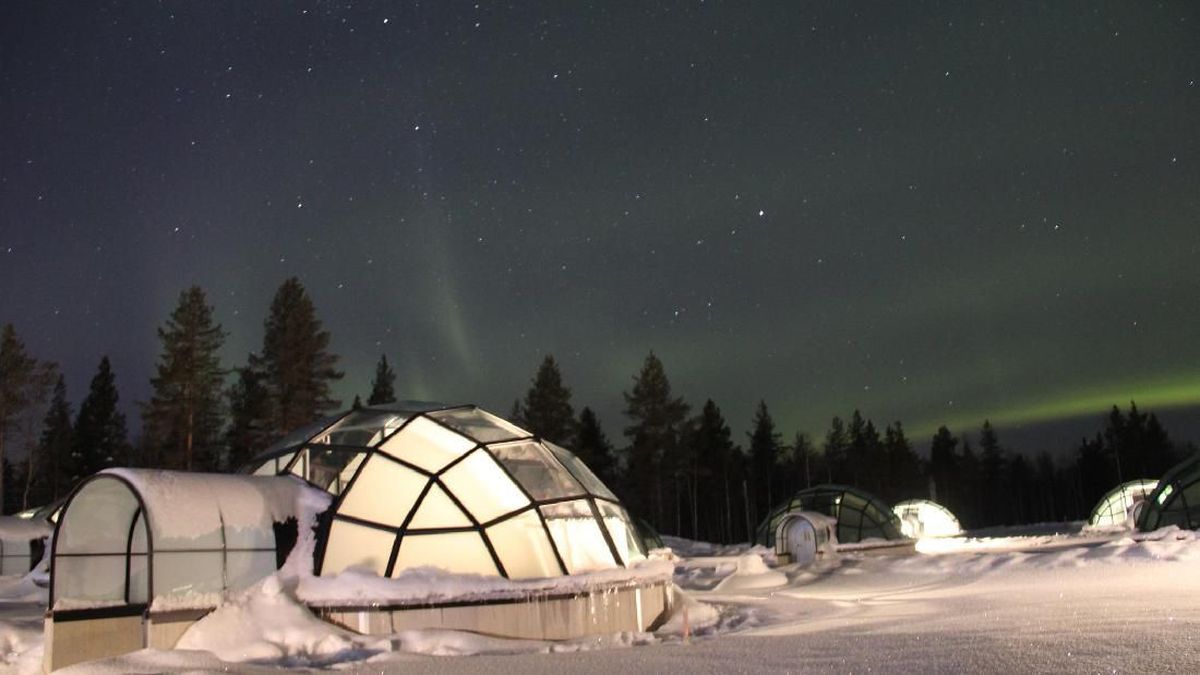
7. Cosy Igloo, Rovaniemi, Finland
This facility emphasizes the "Nordic hygge" (coziness) aesthetic. By focusing on high-quality wool textiles, soft lighting, and wood-burning fireplaces, the accommodation balances the harshness of the Lapland winter with a high level of interior comfort.
8. Floating Glass Igloos, Lake Ranuanjärvi, Finland
Perhaps the most technically ambitious in this category, these units are designed to be mobile. During the summer months, they float on the lake, while in winter, they are positioned on the ice. This seasonal adaptability demonstrates the versatility of modular construction in extreme climates.
9. Unique Wooden Igloo, Spain
Located in the Selva de Irati forest, this wooden dome focuses on structural harmony with the mountain landscape. By utilizing wood as the primary material, the structure mimics the surrounding forest canopy, providing a different sensory experience compared to the glass-dominant models found in the Arctic.
10. Glass-Topped Cabin, Kittilä, Finland
The use of anti-frost technology in this cabin represents the current pinnacle of specialized hospitality engineering. By ensuring the glass remains clear through electric heating elements, the cabin removes the primary barrier to stargazing in cold climates, allowing for a premium, year-round tourism experience.
Economic and Environmental Implications
The rise of these specialized accommodations has profound implications for the travel industry. Economically, these high-margin, low-density units allow property owners to generate significant revenue on relatively small plots of land. From an environmental perspective, however, the proliferation of such structures requires careful management. Many of these sites are located in ecologically sensitive areas, such as the boreal forests of Finland or the wetlands of the Elbe River.
Industry analysts suggest that the future of this sector will depend on "regenerative hospitality." This involves moving beyond carbon neutrality to ensure that the construction and operation of these domes actively protect local biodiversity. For instance, many modern dome operators are now required to implement light-pollution controls to protect nocturnal wildlife, ensuring that the guest’s desire to see the stars does not interfere with the natural environment.
Industry Challenges and Future Trends
Despite their popularity, these accommodations face logistical hurdles. Maintenance costs for glass-topped structures are significantly higher than traditional hotel rooms, particularly regarding the cleaning of exterior surfaces and the energy consumption required to heat transparent structures. Furthermore, as the market becomes saturated, developers are looking toward integrating "smart" technology—such as AI-driven aurora alerts and climate-responsive glass tinting—to distinguish their offerings.
Official responses from tourism boards in Finland and Norway indicate that these "igloo villages" have become central to their national tourism strategies, effectively extending the tourism season from a few peak months to a year-round operation. As the trend continues to expand into new territories, the industry will likely see a shift toward prefabricated, modular units that can be deployed with minimal impact on the local soil and vegetation.
Ultimately, the popularity of these accommodations reflects a broader shift in consumer behavior. Travelers are increasingly willing to pay a premium for "singular experiences" that combine luxury with a raw, unfiltered encounter with the natural world. Whether through the lens of a glass-domed igloo in Lapland or a wooden retreat in the Pyrenees, the move toward immersive architecture suggests that the future of tourism lies in the seamless integration of human comfort and the wild, untamed landscape.
Related posts: