Boosting Immunity Naturally: 5 Science-Backed Herbs and Spices Recommended by Nutritionists

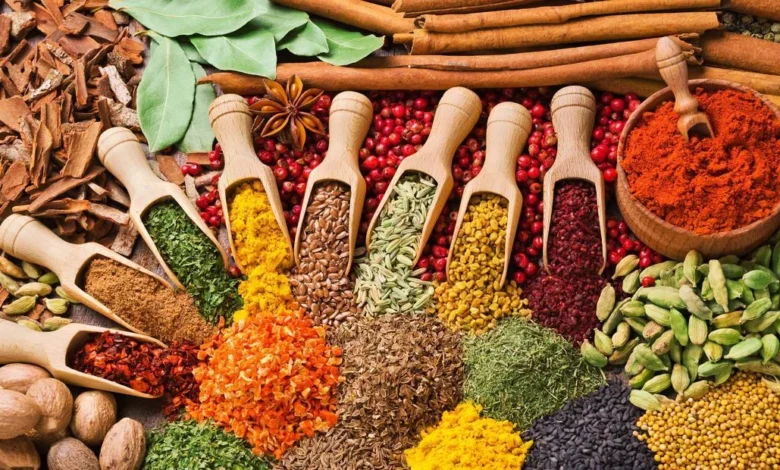
JAKARTA — Amid shifting global health paradigms and an increasing emphasis on preventative wellness, modern nutritional science continues to validate traditional dietary wisdom. While culinary herbs and spices have historically been utilized in modest quantities primarily to elevate flavor profiles and enhance aromatic appeal, contemporary research reveals that these botanical additions harbor dense concentrations of bioactive compounds. When integrated into a holistic lifestyle—comprising routine physical activity, adequate sleep, structured stress management, and a nutritionally balanced diet—specific herbs and spices play a tangible role in reinforcing human immune function.
Dietary experts emphasize that the human immune system is a sophisticated network of cells, proteins, and organs designed to fend off pathogenic invasions. Supporting this intricate defense mechanism requires more than occasional intervention; it demands sustained nutritional support. Leading nutritionists and dietitians have spotlighted five accessible kitchen staples backed by scientific inquiry for their immunomodulatory, anti-inflammatory, and antimicrobial properties.
The Biological Mechanisms of Immune Defense
The human body relies heavily on specialized white blood cells, including T cells, lymphocytes responsible for cell-mediated immunity; B cells, which produce antibodies to neutralize foreign invaders; and macrophages, which engulf and digest cellular debris and pathogens. Maintaining the optimal efficiency of these cells is paramount, particularly during seasonal transitions when viral and bacterial infections surge.
According to Dr. Mindy Haar, PhD, RDN, chair of the department of health sciences at the New York Institute of Technology’s School of Health Professions, bioactive compounds found in common herbs and spices directly interact with these immunological pathways. Rather than acting as a superficial remedy, these dietary components modulate inflammatory responses and neutralize oxidative stress, thereby preserving cellular integrity across the immune system.
1. Turmeric and the Power of Curcumin
Topping the list of recommended functional spices is turmeric, a bright yellow rhizome deeply embedded in Asian culinary and medicinal traditions. The primary active constituent within turmeric is curcumin, a potent polyphenol renowned for its capacity to support immune cell health.
"Curcumin helps maintain the health of T cells, B cells, and macrophages so they can effectively combat germs and other threats," Dr. Haar explains. Beyond direct cellular support, curcumin exhibits profound anti-inflammatory capabilities. It functions by downregulating specific proteins and signaling pathways, such as nuclear factor kappa B (NF-κB), which trigger the production of pro-inflammatory cytokines in the body. Chronic, low-grade inflammation is widely recognized by medical researchers as a foundational driver of numerous long-term health complications, making inflammation management a critical component of immune resilience.
Despite its impressive biochemical profile, curcumin presents a distinct physiological challenge: poor bioavailability. The human digestive system rapidly metabolizes and excretes curcumin before it can enter the systemic circulation in significant quantities. To overcome this limitation, nutritionists recommend a simple yet scientifically validated culinary pairing: combining turmeric with a pinch of black pepper.
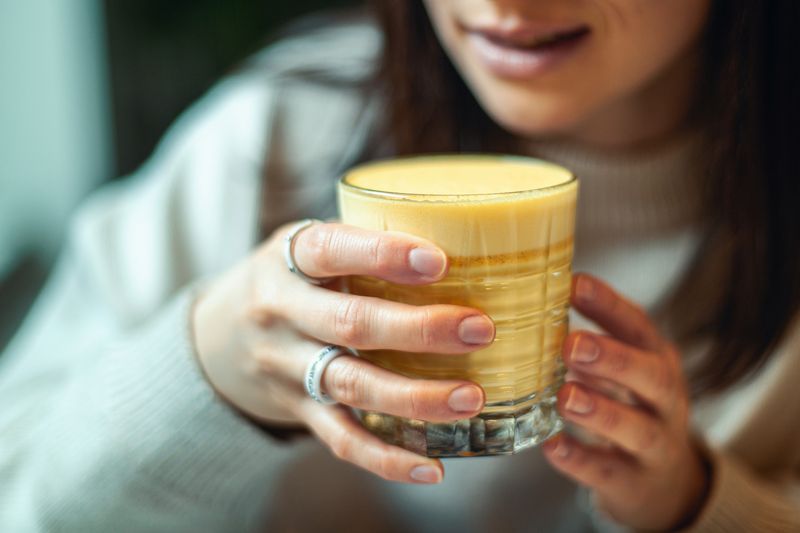
Black pepper contains piperine, an active alkaloid that inhibits glucuronidation—the process by which the liver and intestines flag substances for elimination. By slowing the breakdown of curcumin, piperine enhances its absorption in the gastrointestinal tract by up to 2,000 percent. Culinary applications range from traditional golden milk and herbal teas to incorporating the spice blend into morning smoothies.
2. Garlic and the Antimicrobial Properties of Allicin
Garlic has served as both a culinary cornerstone and a medicinal remedy for millennia across various civilizations. Beyond its pungent aroma and depth of flavor, raw and lightly processed garlic yields powerful bioactive compounds when structurally disrupted.
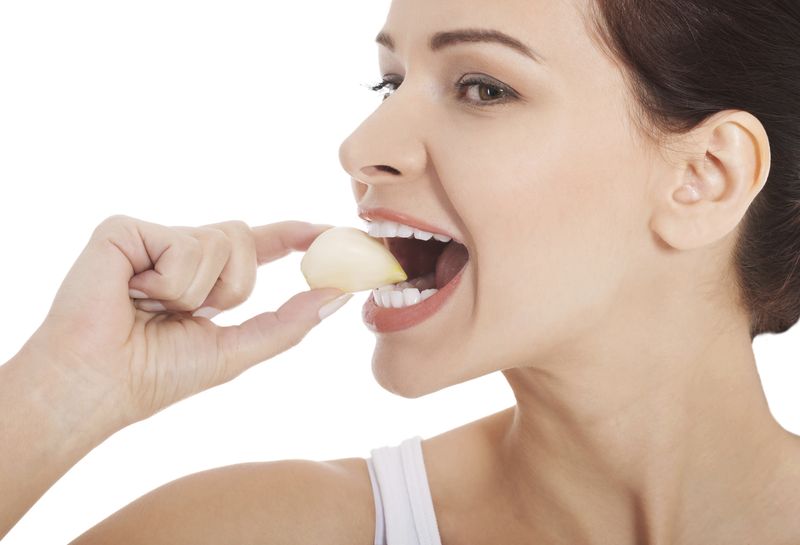
"One of the most potent bioactive compounds in garlic is allicin," notes Johanna P. Salazar, MS, RDN, a clinical nutritionist and founder of Healing Nutrition. Allicin is formed when the enzyme alliinase interacts with the amino acid alliin upon crushing or chopping raw garlic cloves.
Scientific literature demonstrates that allicin exhibits broad-spectrum antimicrobial properties, encompassing antibacterial, antiviral, antifungal, and antiparasitic capabilities. These attributes assist the body in mitigating the severity and duration of common upper respiratory infections, including seasonal influenza and the common cold. Furthermore, allicin acts as a biological antioxidant, shielding immune cells from oxidative damage caused by free radicals.
Beyond direct antimicrobial action, garlic functions as an exceptional prebiotic. Prebiotics are non-digestible food ingredients that selectively stimulate the growth and activity of beneficial bacteria residing in the human gut microbiota. Given that approximately 70 percent of the human immune system resides within the gastrointestinal tract, maintaining a healthy gut microbiome through prebiotic-rich foods like garlic is fundamental to overall immune competence.
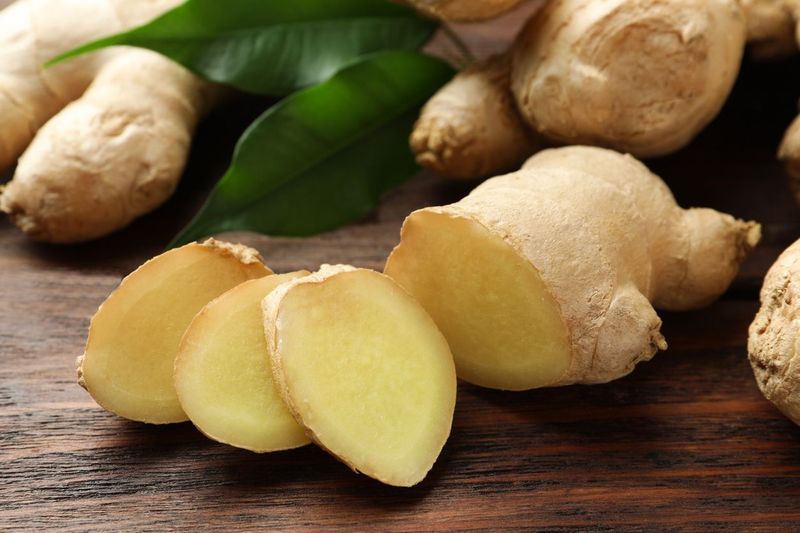
3. Ginger and Gingerol-Driven Immunomodulation
Ginger, another therapeutic rhizome, is widely recognized for its distinct, warming flavor profile and its historical use in treating gastrointestinal distress. Modern nutritional science, however, attributes much of ginger’s therapeutic efficacy to a bioactive compound known as gingerol.
"Gingerol works by suppressing the processes and pathways associated with inflammation," states Seema Shah, RD, a clinical nutritionist and owner of SeemaShahRD Whole Nutrition. By exerting significant anti-inflammatory and antioxidant effects, gingerol helps safeguard immune cells from premature degradation, enabling them to mount a more robust and efficient response against invading pathogens.
Clinical observations suggest that regular consumption of ginger can help modulate immune responses, preventing both under-activity and hyper-reactivity. This immunomodulatory effect ensures that the body’s defense mechanisms remain vigilant without inducing unnecessary tissue damage associated with chronic inflammatory states.
4. Oregano: Beyond a Pizza Topping
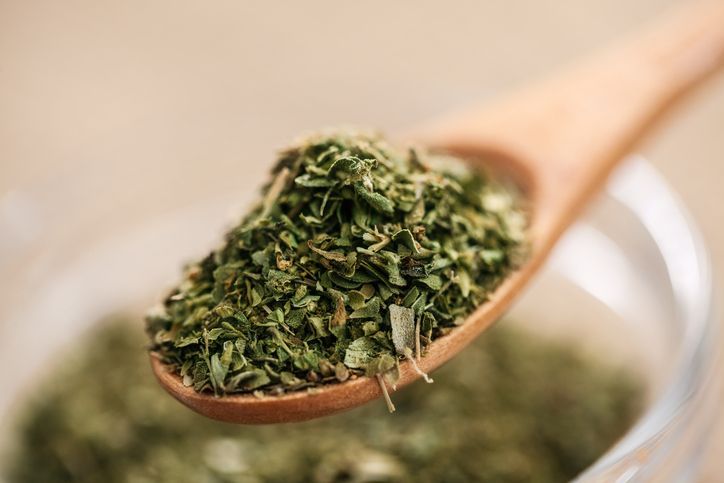
While frequently relegated to the role of a dried garnish for Italian cuisine, oregano is a botanical powerhouse rich in therapeutic phytochemicals.
"Oregano supports immune system health because it contains several compounds that exhibit antioxidant and antimicrobial properties," Dr. Haar notes.
Key among these are carvacrol and thymol, two phenolic monoterpenes that have demonstrated significant efficacy in laboratory studies against a variety of pathogenic bacteria and viral strains. Additionally, oregano contains high concentrations of rosmarinic acid, a powerful polyphenol that acts as a natural antihistamine and anti-inflammatory agent. Rosmarinic acid restricts the production of inflammatory mediators, thereby reducing oxidative stress within the tissues.
Integrating oregano into a balanced diet is exceptionally straightforward. Fresh oregano leaves can be chopped and added directly to vinaigrettes, marinades, and pasta sauces, while dried oregano can be sprinkled over cooked meals to impart both robust flavor and concentrated bioactive compounds.
5. Basil and Its Multi-Tiered Defense System
Basil, a fragrant herb belonging to the mint family (Lamiaceae), offers a complex array of nutrients and phytochemicals that actively contribute to immune maintenance.
The green herb contains apigenin, linalool, and ursolic acid—bioactive constituents recognized in pharmacological research for their antiviral properties. In tandem with these specialized compounds, basil provides substantial amounts of vitamin A and vitamin C. Both vitamins function as vital micronutrients and antioxidants, neutralizing free radicals and protecting structural cells from oxidative degradation.
Furthermore, basil is rich in quercetin and anthocyanins. Quercetin acts as a natural zinc ionophore, a compound that assists in transporting zinc—an essential mineral crucial for immune cell development and signaling—across cell membranes. Meanwhile, anthocyanins contribute to the proliferation of diverse microbial populations within the gut.
"This is vital for the immune system because the majority of our immune cells reside in the gut," emphasizes Seema Shah, highlighting the interconnected nature of gastrointestinal health and systemic immunity.
Broader Implications for Public Health and Preventative Medicine
The growing body of research surrounding functional foods underscores a broader shift in contemporary healthcare toward preventative medicine. While pharmaceutical interventions remain indispensable for acute and severe pathologies, the strategic integration of functional herbs and spices into daily dietary patterns offers an accessible, cost-effective adjunct to public health initiatives.
Public health dietitians stress that no single food item can serve as a standalone shield against disease. Instead, the incorporation of turmeric, garlic, ginger, oregano, and basil should be viewed as part of an integrated lifestyle framework. By combining these micronutrient-dense botanicals with consistent physical activity, restorative sleep hygiene, and evidence-based stress management protocols, individuals can establish a resilient physiological foundation capable of withstanding environmental and pathological stressors.