The Special Region of Yogyakarta continues to solidify its position as one of Indonesia’s premier cultural and natural tourism hubs, with the southern coastline of Bantul Regency emerging as a diverse and increasingly popular destination for both domestic and international travelers. While the city of Yogyakarta is globally renowned for its rich royal heritage, ancient temples, and bustling art scene, its southern fringe along the Indian Ocean offers a striking contrast characterized by dramatic waves, sweeping sand dunes, volcanic black sand, and unique coastal ecosystems. For travelers seeking an itinerary that transitions seamlessly from cultural exploration to nature-based relaxation, Bantul’s coastline presents a compelling array of options that cater to varied travel preferences.
Geographically situated just south of Yogyakarta’s metropolitan core, the coastal district of Bantul spans dozens of kilometers along the southern Java sea lane, locally known as Jalur Jalan Lintas Selatan (JJLS). This strategic infrastructure development has significantly enhanced connectivity, allowing visitors to traverse multiple beaches within a single day. Local tourism boards and regional economic planners have noted a steady surge in post-pandemic travel recovery, with coastal tourism playing a vital role in empowering local micro, small, and medium enterprises (MSMEs), ranging from seafood culinary hubs to community-led conservation groups.
The charm of Bantul’s beaches lies not merely in their scenic vistas of the vast Indian Ocean, but in their distinct character profiles. Visitors can choose between the high-energy, activity-filled expanses of eastern Bantul, such as Parangtritis, or venture westward to experience the serene, shaded canopies of pine forests and sustainable energy farms. To assist travelers in curating their ideal holiday itinerary, tourism authorities and travel analysts have outlined seven standout beaches in Bantul that combine natural beauty, cultural heritage, and recreational infrastructure.
1. Pantai Parangtritis: The Crown Jewel of Yogyakarta’s Southern Coast
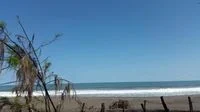
Pantai Parangtritis stands unequivocally as the most iconic coastal landmark in the Bantul Regency. Located in the administrative sub-district (Kapanewon) of Kretek, this legendary beach has long held a mythical and cultural status in Javanese folklore, frequently associated with Kanjeng Roro Kidul, the Queen of the Southern Sea. Beyond its deep cultural resonance, Parangtritis offers a sweeping landscape defined by broad, dark volcanic sand expanses and the thunderous, rolling breakers of the Indian Ocean.
The destination is heavily equipped with modern tourism infrastructure, making it exceptionally accessible for families and adventure seekers alike. Visitors frequently engage in a variety of recreational activities, including renting All-Terrain Vehicles (ATVs) to speed along the shoreline, partaking in traditional horseback riding tours, or attempting coastal surfing under the guidance of local instructors. Furthermore, Parangtritis serves as the gateway to the adjacent Gumuk Pasir Parangtritis—a rare, naturally occurring desert-like sand dune ecosystem that attracts geomorphologists, photographers, and sandboarding enthusiasts from across the globe.
2. Pantai Parangkusumo: A Convergence of Nature and Ancient Mysticism
Situated just a short distance west of its bustling neighbor Parangtritis, Pantai Parangkusumo offers a more contemplative and culturally rich coastal experience. While it shares the dramatic oceanic backdrop of the southern sea, Parangkusumo is globally and locally revered for its deep spiritual ties to the Mataram Sultanate and Javanese mysticism.
At the heart of this site lies Cepuri Parangkusumo, a sacred volcanic rock formation where Panembahan Senopati, the founder of the Mataram Kingdom, is historically believed to have communed with the spiritual guardian of the southern ocean. Throughout the year, and particularly during sacred Javanese calendar months such as Suro, the beach becomes a focal point for traditional rituals, including the Labuhan ceremony conducted by the Yogyakarta Palace. Visitors to Parangkusumo are offered a unique opportunity to witness living heritage while enjoying a quieter, more reflective seaside ambiance.
3. Pantai Depok: The Culinary Capital for Fresh Seafood Aficionados
Shifting the focus from mysticism to gastronomy, Pantai Depok has evolved into the definitive culinary epicenter of Bantul’s coastline. Located adjacent to the sand dune conservation zones, Depok hosts a bustling local economy anchored by its active Fish Auction Facility (Taman Pelelangan Ikan or TPI).
The daily rhythm of Pantai Depok is dictated by the return of local fishermen bringing in fresh catches from the Indian Ocean, ranging from red snapper and pomfret to giant prawns, squids, and various types of crabs. Tourists visiting Pantai Depok can partake in an interactive culinary experience: purchasing freshly caught seafood directly from the market stalls and subsequently bringing their purchases to nearby beachside warungs (local eateries), where culinary cooks grill, fry, or steam the seafood to order, served with traditional spicy sambal and fresh vegetables. This direct-to-table model has successfully bolstered the regional economy by ensuring that tourism revenues directly benefit local fishermen and culinary workers.
4. Pantai Samas: Coastal Conservation and Ecological Education
Moving further west into the Srigading area of Kapanewon Sanden, Pantai Samas presents a starkly different coastal landscape that prioritizes ecological preservation and environmental education. Unlike the commercial vibrancy of Parangtritis, Samas is celebrated for its raw, untamed beauty, characterized by striking sandbar formations, marshlands, and freshwater lagoons.
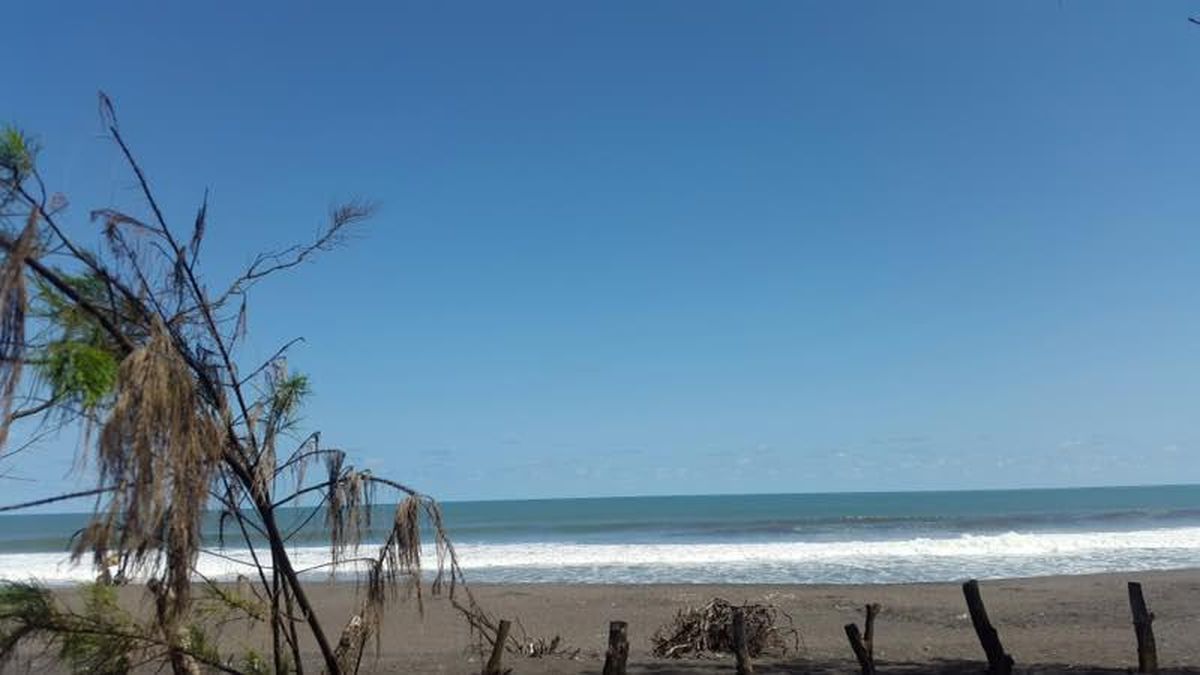
A major highlight of Pantai Samas is the Pengklik Lagoon, where visitors can rent swan boats or cruise along the calm brackish waters that bridge freshwater rivers and the ocean. Furthermore, Samas houses an active turtle conservation center. During nesting seasons, local conservationists and volunteers safeguard olive ridley sea turtle eggs, offering educational programs for travelers interested in marine biodiversity and coastal ecosystem management. The combination of dynamic wave action, lagoon exploration, and conservation initiatives makes Samas a premier destination for eco-tourists.
5. Pantai Goa Cemara: The Shaded Enclave of Whistling Pines
For travelers seeking respite from the tropical sun, Pantai Goa Cemara in Gadingsari, Kapanewon Sanden, offers a remarkably refreshing microclimate. The defining feature of this destination is not merely the ocean view, but the dense, sprawling forest of cemara udang (shrimp pine trees) that blankets the coastline.
Over decades, these pine trees have grown in such a dense, interconnected manner that their branches form natural, arched tunnels resembling leafy corridors—hence the name "Goa Cemara" (Pine Cave). Walking through these shaded pathways while listening to the wind whistle through the pine needles creates an almost meditative atmosphere. The beach area beneath the tree canopy is heavily utilized for family picnics, camping, and leisurely strolls, proving that Bantul’s coastline offers diverse environmental settings beyond traditional open-air beaches.
6. Pantai Kuwaru: Family Recreation Amidst Coastal Reforestation
Continuing west along the coastal road into Kalurahan Poncosari, Kapanewon Srandakan, visitors encounter Pantai Kuwaru. Similar to Goa Cemara, Kuwaru owes much of its aesthetic appeal to extensive coastal reforestation projects initiated decades ago to combat abrasion and strong sea winds.
The dense groves of ironwood and pine trees provide ample shade, establishing a cool environment that contrasts sharply with the hot, open sands of the shoreline. Pantai Kuwaru has grown into a favorite weekend destination for local families. The area is equipped with children’s play zones, beachside ATV rentals, and shaded seating areas where parents can relax while children play safely beneath the trees. A thriving local market scene within the pine forest offers everything from local snacks and young coconuts to clothing and children’s toys, ensuring a vibrant community atmosphere.
7. Pantai Baru: Sustainable Energy and Modern Coastal Amenities
Adjacent to Kuwaru within the Poncosari precinct lies Pantai Baru, a forward-thinking coastal destination that seamlessly blends traditional beach leisure with modern green technology. Pantai Baru stands out as a pioneer in utilizing renewable energy sources in the region. The area is prominently adorned with large wind turbines and solar panel installations, which generate electricity to power local community needs, including ice-making machines utilized by fishermen to preserve their daily catches.
Beyond its green energy initiatives, Pantai Baru offers robust tourism infrastructure. The beachfront is lined with organized culinary stalls specializing in fried catfish, snapper, and other coastal delicacies. The spacious grounds and steady sea breeze also make it an ideal location for kite flying and group recreational activities. As the final major stop on the western Bantul beach route, Pantai Baru provides a well-rounded conclusion to a coastal exploration day.
Broader Economic and Tourism Implications
The continuous development and promotion of these seven diverse beaches carry significant economic implications for the Special Region of Yogyakarta. Tourism data consistently highlights that geographic decentralization—encouraging visitors to explore beyond the urban core of Malioboro and the heritage sites of Kraton—is vital for sustainable regional growth. By distributing tourist foot traffic across the various precincts of Bantul, the local government successfully stimulates rural economies, generates employment in the hospitality and transport sectors, and fosters community-based environmental stewardship.
Infrastructure improvements, including the ongoing expansion and maintenance of the Southern Cross Road (JJLS), have drastically reduced travel times between these destinations, making multi-destination day trips feasible and appealing. Furthermore, the integration of green initiatives, such as the renewable energy projects at Pantai Baru and the conservation efforts at Pantai Samas, underscores a growing commitment to sustainable tourism practices that balance economic
viability with ecological preservation.
Ultimately, whether a traveler is drawn to the spiritual heritage of Parangkusumo, the culinary abundance of Depok, the ecological wonders of Samas, or the shaded tranquility of Goa Cemara, Bantul’s southern coast offers a multifaceted journey through the natural and cultural richness of modern Yogyakarta.