Luxury Residential Cruise Ship Villa Vie Odyssey Detained in Singapore Amid Escalating Financial Crisis

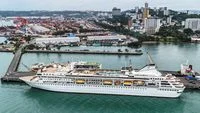
Singaporean maritime authorities have officially detained the residential cruise ship Villa Vie Odyssey following a court order stemming from a maritime civil lawsuit over unpaid financial debts. The vessel, which abruptly halted its global operations in Cambodia late last month, is currently anchored at the Changi General Purpose Anchorage after arriving in Singapore waters on Sunday, November 8.
The Maritime and Port Authority of Singapore (MPA) confirmed that the luxury residential ship was formally arrested at approximately 10:34 a.m. local time, acting upon a formal application filed by the local law enforcement firm Helmsman LLC. This legal development marks a severe escalation in the financial troubles plaguing Villa Vie Residences, the company operating the floating community concept that promised passengers a permanent home at sea.
The Detention and Immediate Conditions Aboard
According to official statements released by the MPA, the detention was executed smoothly under established maritime civil law frameworks. Under these legal provisions, a court grants authority to a court-appointed marshal to seize a vessel as security against outstanding claims brought forward by aggrieved creditors.
Crucially, the MPA verified that no commercial passengers were on board the Villa Vie Odyssey at the time of the arrest. However, approximately 50 crew members remain stationed on the ship. Authorities noted that these crew members are currently in good health, and their welfare, provisioning, and daily management are being strictly coordinated in compliance with regulatory standards overseen by the involved creditors.
While official court filings by Helmsman LLC have not publicly disclosed the exact identity of the primary claimant or the precise breakdown of the legal demands, prominent industry reports from outlets such as CBS News indicate that the lawsuit was initiated by a commercial bunker fuel supplier. Investigations suggest that Villa Vie Residences accumulated a staggering fuel debt totaling approximately $500,000 to a regional supplier, a financial liability that ultimately triggered the legal intervention in Singapore.
If the ship’s owners and corporate management fail to resolve these outstanding financial obligations or secure the vessel’s release through legal channels, the court marshal retains the statutory authority to sell the Odyssey via a judicial auction. Proceeds generated from such a sale would be systematically allocated toward covering court administration expenses and satisfying the financial claims of creditors and damaged parties.
Chronology of a Crisis: From Sihanoukville to Singapore
The dramatic seizure in Singapore is the latest chapter in a rapidly unfolding corporate and humanitarian crisis for Villa Vie Residences. The trouble began brewing in late October when company management made the abrupt decision to freeze all operations while the vessel was docked in Sihanoukville, Cambodia, on October 27.
This drastic measure was ostensibly triggered by unprecedented spikes in regional fuel costs across Asia. According to company communications, bunker fuel prices surged dramatically from a stable historical average of roughly $1,800 to a crippling $6,000 to $8,000 per cabin per month. Management attributed this sudden inflationary shock to geopolitical instabilities and the wider fallout from the Iran conflict, which severely disrupted maritime fuel supply chains and pricing structures.
However, the suspension of operations left roughly 203 passengers stranded in deeply distressing circumstances. Before the abrupt halt—which marked the end of a 755-day operational chapter—residents onboard reported enduring mounting operational strains. Many passengers claimed they were subjected to repeated requests for supplementary emergency funding, sudden downgrades in daily onboard services, and erratic, unpredictable changes to the ship’s itinerary.
The crisis culminated when management handed down a harsh ultimatum, giving residents a strict eight-hour window to completely vacate their cabins. Numerous passengers left behind substantial amounts of personal belongings and property without receiving any definitive assurances regarding financial compensation or ticket refunds. A desperate, last-ditch effort by a collective of resident-investors to pool their resources and purchase the vessel outright to salvage their floating community ultimately collapsed. Consequently, the ship was forced to sail toward Singapore entirely uncrewed by paying residents.
Background and Corporate Restructuring Efforts
The vessel at the center of this controversy has a long maritime history. Originally constructed in 1993, the ship previously operated under the name Braemar before being acquired by Villa Vie Residences in 2023. The company purchased the aging vessel with the ambitious vision of converting it into a permanent, continuous residential cruise ship, allowing retirees and digital nomads to circumnavigate the globe while living in permanent cabins.
Following the operational collapse in Cambodia and the subsequent judicial arrest in Singapore, corporate leadership is now running out of time to salvage the enterprise. Industry publications, including Fortune, report that Villa Vie management has been given a critical window of approximately 60 days to execute a comprehensive corporate restructuring and secure vital injections of new capital.
Mikael Petterson, the founder and chief executive of Villa Vie Residences, has openly acknowledged the severity of the situation. In recent statements, Petterson conceded that filing for formal corporate bankruptcy protection—specifically under Chapter 11 restructuring frameworks—remains a highly probable pathway if the company cannot independently resolve its deep-seated liquidity crisis and satisfy its growing roster of creditors.
Broader Implications for the Residential Cruise Industry
The unfolding saga of the Villa Vie Odyssey highlights the inherent financial volatilities and logistical vulnerabilities plaguing the emerging niche of permanent residential cruising. While the concept of continuous global travel appeals strongly to affluent retirees and location-independent professionals, the model relies heavily on predictable operational overheads.
The sudden vulnerability of Villa Vie Residences underscores how macroeconomic shocks, such as volatile fuel markets and unexpected legal liabilities, can rapidly destabilize maritime ventures operating on tight profit margins. Furthermore, the mistreatment and sudden displacement of passengers in Cambodia have raised critical regulatory questions regarding consumer protection standards within the alternative cruise sector.
As the legal proceedings in Singapore progress, the future of the Villa Vie Odyssey remains precarious. Whether the company can successfully restructure its debts, satisfy maritime creditors, and secure the release of its flagship vessel will determine not only the survival of the enterprise but also set a significant legal precedent for accountability within the global residential maritime industry.