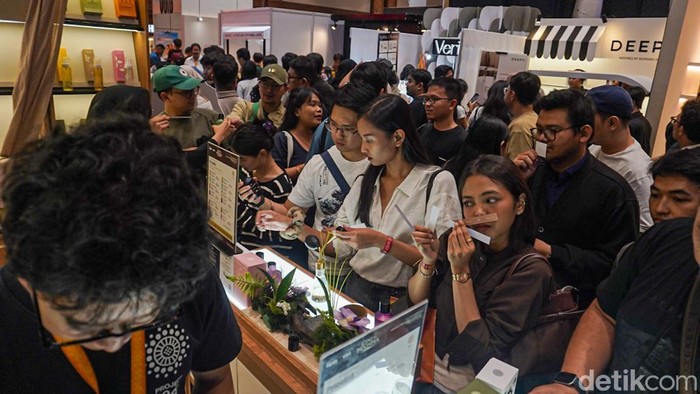
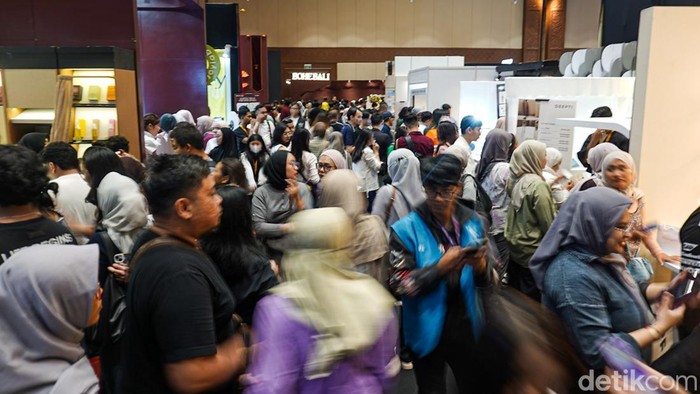
The Jakarta International Convention Center (JICC) in Senayan transformed into a sensory epicenter this past Saturday, November 7, 2026, as the "Scent of Indonesia" exhibition opened its doors to thousands of enthusiasts. The event, which serves as a landmark showcase for the burgeoning domestic fragrance industry, featured over 90 local brands, highlighting a significant shift in consumer preference toward home-grown olfactory craftsmanship. From niche artisanal perfumeries to rapidly scaling commercial labels, the exhibition underscored the creative maturity and economic potential of Indonesia’s fragrance sector.
A Vibrant Showcase of Local Innovation
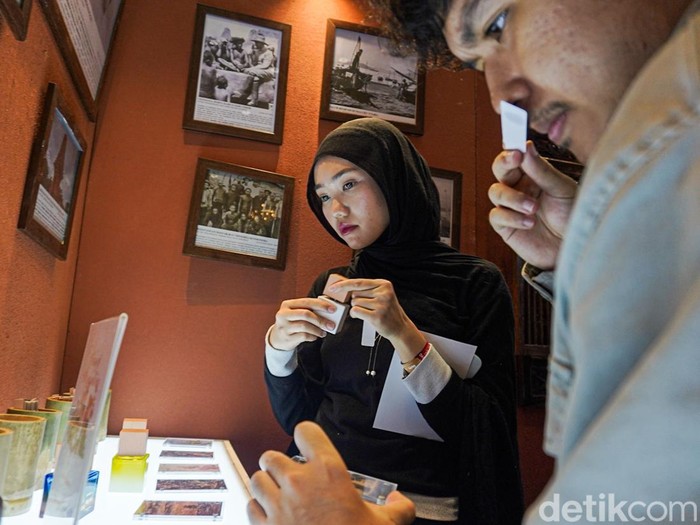
The atmosphere inside the JICC was thick with a complex blend of aromatic profiles, ranging from earthy patchouli and exotic oud to crisp floral and citrus notes. The exhibition floor was meticulously designed to guide visitors through an immersive experience. Enthusiasts were observed carefully navigating the stalls, engaging in the ritual of the "blotter test"—a practice of inhaling fragrances from paper strips to identify top, heart, and base notes.
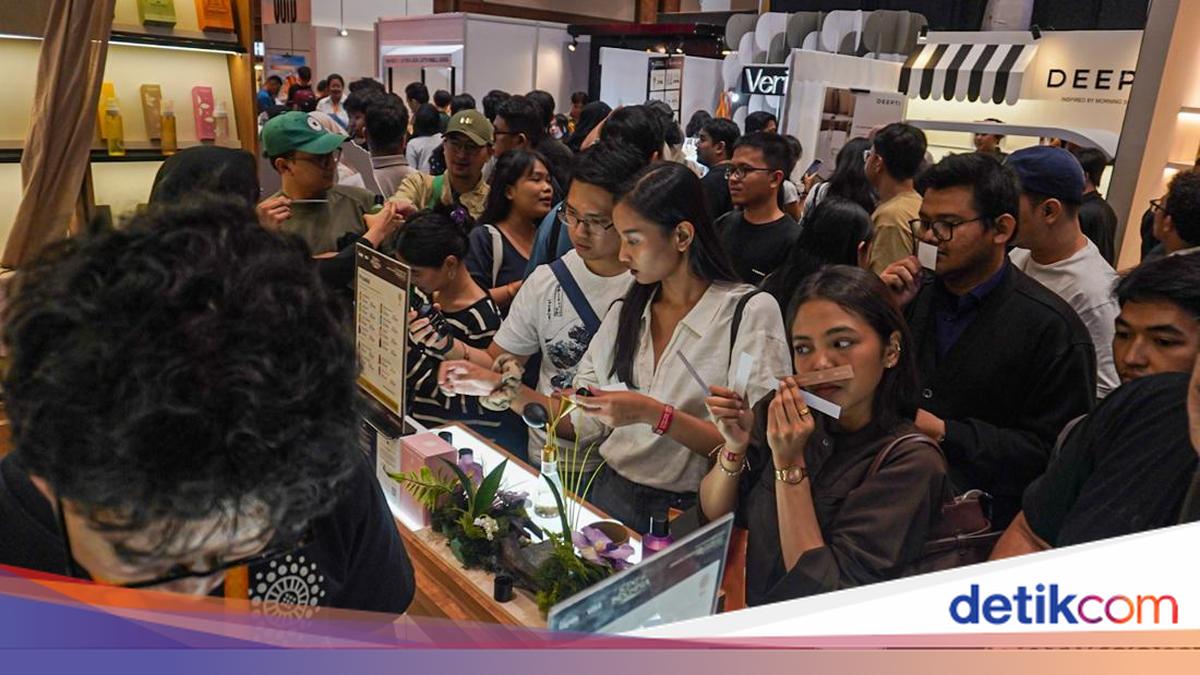
The aesthetic presentation of the brands was as diverse as the scents themselves. Several exhibitors opted for minimalist, high-end displays featuring thick glass bottles set against illuminated acrylic backdrops, projecting an image of luxury that rivals established international houses. Conversely, other brands leaned into their heritage, utilizing elements like treated bamboo and raw, organic materials to house their test strips, effectively communicating a narrative of sustainability and Indonesian identity.
The Rise of the Indonesian Fragrance Industry
The success of "Scent of Indonesia" is not an isolated phenomenon but rather the culmination of a decade-long evolution in the Indonesian beauty and lifestyle market. Historically, the local fragrance market was dominated by multinational corporations, with consumers often viewing imported scents as the standard for quality. However, the last five years have witnessed a paradigm shift driven by the rise of "Indie" perfumers and direct-to-consumer digital marketing strategies.
Market analysts suggest that the democratization of scent creation—where independent perfumers now have access to high-quality raw materials and global supply chains—has allowed for a more localized approach to perfumery. Unlike mass-market scents that cater to global preferences, local Indonesian brands are increasingly focusing on "tropical-friendly" formulations that perform well in high-humidity climates, alongside utilizing indigenous botanicals such as sandalwood from East Nusa Tenggara and ylang-ylang from Java.
Economic Impact and Consumer Behavior
Supporting data from the regional retail sector indicates that the fragrance category in Indonesia has seen an annual compound growth rate (CAGR) of approximately 8.5% since 2023. This growth is largely attributed to the Gen Z and Millennial demographics, who prioritize "self-expression through scent" and demonstrate a strong preference for brands that maintain transparent supply chains.
The "Scent of Indonesia" event serves as a critical bridge between these digital-first brands and the physical retail space. For many of the 90+ exhibitors, this event represents their first large-scale physical engagement with their customer base. Industry experts note that physical exhibitions remain vital for the perfume industry because the "discovery phase"—the act of smelling a scent before purchase—is nearly impossible to replicate through digital marketing alone. By centralizing these brands, the exhibition has effectively lowered the cost of customer acquisition for small businesses while providing a curated, high-traffic environment that fosters brand loyalty.
Chronology of the Event
The planning for this year’s "Scent of Indonesia" began in early March 2026, following the success of smaller, localized workshops held throughout the previous year.
- March 2026: Official registration for vendors opened, with a focus on selecting a mix of established local favorites and emerging experimental houses.
- June 2026: A series of pre-event webinars and "masterclass" sessions were held, focusing on scent chemistry and sustainable packaging, aimed at helping local businesses refine their branding.
- November 7, 2026 (Morning): Doors opened to the public at 10:00 AM, with early bird ticket holders lining up around the JICC perimeter.
- November 7, 2026 (Afternoon): A panel discussion featuring prominent local perfumers and beauty influencers took place, focusing on the future of "Scented Identity" in the Indonesian market.
- November 7, 2026 (Evening): The event concluded its first day with a record-breaking number of transactions, as reported by participating vendors.
Perspectives from the Industry
While the event was primarily consumer-focused, it acted as a de facto B2B networking hub. Representatives from major department stores and e-commerce platforms were seen scouting for potential partnerships. One independent perfumer noted, "For years, we were confined to Instagram shops. Seeing thousands of people here, actually smelling our creations and giving us feedback in real-time, is the validation we have been working toward. It proves that local is no longer just a trend; it is a permanent fixture in the luxury goods sector."
Government observers and trade representatives have also noted the export potential of these products. As Indonesian fragrance houses begin to standardize their production and move toward global compliance standards, the potential for these scents to enter markets in Southeast Asia and beyond becomes a realistic objective. The diversity of the products on display—ranging from affordable daily-wear mists to complex, high-concentration eau de parfums—positions the local industry to compete across various price points.
Challenges and Future Outlook
Despite the celebratory tone of the exhibition, challenges remain. Supply chain reliability for rare raw materials, the cost of high-quality glass and pump mechanisms, and the need for rigorous international quality control standards are issues that the industry must address to maintain this momentum.
However, the organizers of "Scent of Indonesia" remain optimistic. Plans are already underway for an even larger iteration of the event in 2027, with potential satellite events in cities like Surabaya and Medan. The goal is to create a sustainable ecosystem where perfumers, raw material suppliers, and consumers can interact freely.
The implications of this movement are significant. By shifting the focus from imported luxury to local craft, Indonesia is not only keeping more of its capital within the domestic economy but is also fostering a new generation of creative professionals—perfumers, designers, and marketers—who are defining the "scent of the nation." As the sun set on the JICC, the lingering aromas in the air served as a testament to an industry that has clearly found its voice, and more importantly, its audience. The "Scent of Indonesia" is no longer just a concept; it is a growing, tangible, and highly profitable reality that is reshaping the landscape of Indonesian consumer goods.
Related posts: