Singapore Food Agency Investigates Viral Video of Rodents Infesting Rice Cake Display at Pasir Ris Coffee Shop

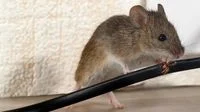
The landscape of Singapore’s vibrant culinary scene was recently shaken by a severe hygiene breach after a disturbing video circulated widely across social media platforms. The footage exposed a brazen infestation of rats foraging inside a food display basket containing traditional rice cakes—locally known as kueh—at a coffee shop situated in the residential district of Pasir Ris. This unsettling discovery has ignited widespread public concern regarding food safety standards in public dining spaces, prompting immediate investigative measures from the nation’s principal food regulatory body.
The incident highlights the ongoing challenges that food and beverage establishments face in maintaining rigorous sanitation protocols, particularly in tropical urban environments where pest management requires constant vigilance. As the Singapore Food Agency (SFA) digs deeper into the operational practices of the implicated coffee shop, industry stakeholders and consumers alike are reassessing the effectiveness of existing pest control frameworks within communal dining settings.
Chronology and Discovery of the Infestation
The public alarm was first triggered when an observant patron visited the Pasir Ris coffee shop and documented the alarming sight on video. According to the customer’s account and the viral footage, multiple rodents were seen freely roaming the food preparation and display zones. Most notably, one of the clips captured a rat actively climbing into and scavenging from an open-air container holding traditional rice cakes meant for public consumption.
Beyond the visual shock of the rodents scaling food displays, the customer who uploaded the video reported an overwhelming and pungent odor characteristic of heavy rodent contamination permeating the seating and service areas. Visible droppings were scattered across multiple locations near storage cabinets and food-handling surfaces, indicating that the infestation was neither isolated nor brief.
Following the viral spread of the post, local media outlet Shin Min Daily News conducted an on-site investigative visit to independently verify the claims. The reporters’ observations confirmed the severity of the situation. During a brief observation window of just 30 minutes, journalists witnessed between six and seven rodents scampering freely beneath storage cabinets and darting through structural gaps near the establishment’s doors and flooring crevices. The daylight appearance of multiple rodents strongly suggested a high population density and a deep-seated nesting issue within or immediately adjacent to the coffee shop premises.
Management Response and Pest Control Claims
In the wake of mounting public criticism and digital outrage, representatives from the management and staff of the Pasir Ris coffee shop issued formal clarifications regarding the state of their hygiene management. Employees on-site stated that they had attempted to mitigate the issue independently by deploying makeshift traps, which reportedly resulted in the capture of two rodents prior to media intervention.
Further elaboration came from the establishment’s manager, who referenced statements published by The Independent Singapore. The manager asserted that the business had not neglected its sanitation duties, claiming that a monthly pest control regimen was actively in place. According to management, professional vendors were contracted to routinely service the premises. The manager also noted that staff had managed to trap and cage several rodents approximately two weeks prior to the viral incident, portraying the current outbreak as an unfortunate anomaly rather than a systemic failure.
However, public health experts and local consumers have questioned the efficacy and frequency of these claimed pest control measures. The presence of numerous rodents moving uninhibitedly during daylight hours typically signifies a severe failure in preventive exclusion methods, such as proper sealing of entry points, secure waste management, and the elevation of stored goods.
Official Intervention by the Singapore Food Agency
The visual evidence and subsequent media coverage quickly drew the attention of the Singapore Food Agency (SFA), the statutory board under the Ministry of Sustainability and the Environment responsible for food safety and security in the island nation. SFA officials confirmed that an immediate, formal investigation was launched following the circulation of the video.
In official statements regarding the case, the SFA underscored that the primary responsibility for maintaining food safety and hygiene standards rests squarely upon the shoulders of food business operators. The agency reiterated that all licensed food establishments in Singapore are legally mandated to adhere strictly to environmental sanitation guidelines. This includes implementing comprehensive pest prevention programs, maintaining clean facilities free from vector harbourage, and ensuring that all food items are adequately protected from physical, chemical, and biological contamination.
The SFA’s enforcement division is currently gathering comprehensive evidence from the site inspections, witness accounts, and management logs. Authorities have emphasized that appropriate enforcement actions—ranging from financial penalties and demerit points to the potential suspension of the food establishment’s operating license—will be determined once the exhaustive review is finalized. The agency maintains a zero-tolerance policy toward hygiene infractions that pose direct threats to public health.
Broader Implications for Singapore’s Food Safety Standards
This incident at the Pasir Ris coffee shop transcends a localized hygiene failure, offering broader implications for Singapore’s meticulously regulated food and beverage sector. Singapore prides itself on having some of the highest public health and food safety standards in the world, heavily supported by the SFA’s grading systems and routine inspections. Hawkers and coffee shop operators are integral to the nation’s cultural identity and daily life, serving millions of residents and international tourists across thousands of communal eating houses.
When high-profile hygiene breaches occur, they can significantly erode public trust in the safety of hawker centres and coffee shops. Foodborne illnesses resulting from vector contamination can have severe health consequences, ranging from salmonellosis and leptospirosis to hantavirus infections—all of which are associated with rodent infestations. Consequently, regulatory bodies must balance rigorous enforcement with proactive educational outreach to ensure that smaller independent operators fully understand the operational risks associated with lax waste disposal and structural disrepair.
Furthermore, the proliferation of smartphones and social media has transformed consumers into frontline inspectors. The rapid dissemination of unedited footage allows patrons to bypass bureaucratic delays and instantly broadcast health hazards to a global audience. For business owners, this digital transparency means that reputational damage can occur within minutes of an oversight, translating into immediate financial losses and long-term brand erosion.
As the SFA continues its probe into the Pasir Ris establishment, the case serves as a stark reminder to the entire food service industry. Maintaining an environment free of pests demands continuous diligence, going far beyond a routine monthly checklist. Operators must invest in structural hardening, eliminate food sources that attract pests, and foster a workplace culture where hygiene is prioritized at every level of food handling. Only through unwavering compliance and proactive facility management can food businesses safeguard public health and uphold the stellar reputation of Singapore’s culinary landscape.
Related posts: