Exploring European Destinations for Indonesian Citizens: A Comprehensive Guide to Visa-Free and Simplified Travel in 2026

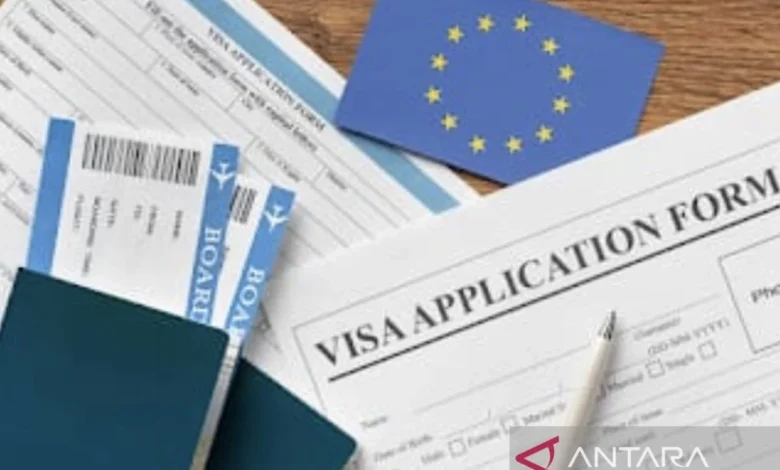
For Indonesian citizens, the dream of exploring the historical landscapes, vibrant cultures, and architectural marvels of Europe often hits a significant hurdle: the rigorous and time-consuming Schengen visa application process. While major Western European hubs like France, Germany, and Switzerland maintain stringent entry requirements for holders of ordinary Indonesian passports, the geopolitical landscape of 2026 reveals a growing list of accessible nations. Some of these countries offer complete visa-free entry, while others have implemented streamlined electronic visa (e-visa) or visa-on-arrival systems that significantly lower the barrier to entry for Indonesian travelers.
It is essential for travelers to distinguish between countries that are geographically part of Europe and those located in the transcontinental transition zones—such as the Caucasus region—which serve as gateways between Europe and Asia. Understanding these nuances is critical for planning a seamless itinerary.
The Landscape of Visa-Free Travel for Indonesian Passport Holders
As of 2026, the diplomatic relations between Indonesia and several European and transcontinental nations have facilitated smoother travel corridors. The following countries stand out for their accessibility, either through total visa exemption or highly simplified bureaucratic procedures.
1. Serbia: The Balkan Gateway
Serbia remains one of the most attractive destinations for Indonesians looking to experience European culture without the stress of embassy visits. Under current bilateral agreements, holders of ordinary Indonesian passports are granted visa-free entry for tourism for up to 30 days within a one-year period. Belgrade, the nation’s capital, is experiencing a renaissance as a tourist hub, offering a unique blend of Ottoman, Austro-Hungarian, and socialist-era architecture. Travelers are reminded, however, that the 30-day limit is strictly enforced and must be monitored against their annual travel logs to ensure compliance with Serbian immigration laws.
2. Turkey: The Transcontinental Bridge
Turkey’s position as a bridge between two continents makes it a pivotal point for Indonesian travelers. Since the policy update on December 24, 2021, Turkey has maintained a visa-free policy for Indonesian citizens for stays of up to 30 days for tourism and transit purposes. Given Turkey’s extensive flight network—led by Turkish Airlines—the country serves as a primary transit hub for those intending to explore other parts of the region. The cultural significance of Istanbul, combined with the convenience of its visa policy, cements its status as the most popular entry point for Indonesians traveling toward the West.
3. Belarus: Navigating Administrative Requirements
Belarus provides a unique opportunity for travelers to visit Eastern Europe. While it offers a visa-free entry program for up to 30 days, it is imperative that travelers enter and exit via designated international checkpoints, typically including Minsk National Airport. It is highly recommended that tourists verify the specific list of authorized entry points immediately before booking flights, as political tensions in the region can lead to sudden shifts in border policy.
4. Ukraine: Caution Amidst Open Borders
While Ukraine technically maintains a visa-free regime for Indonesian citizens for visits of up to 30 days, the ongoing security situation remains the most critical factor. Travelers are strongly advised to consult the Indonesian Ministry of Foreign Affairs’ travel advisories. While the administrative "right to enter" exists, the practical feasibility of tourism is severely impacted by the current conflict, and most international travel insurance policies are voided for travel to active conflict zones.
Simplified Access: E-Visas and On-Arrival Systems
Not every accessible destination is strictly visa-free. Several nations in the Caucasus region, which are culturally and politically aligned with European structures, offer simplified digital processes.
5. Azerbaijan: The E-Visa Advantage
Azerbaijan offers a robust e-visa system for Indonesian citizens. By utilizing the official government portal, travelers can secure a single-entry e-visa, which is processed with high efficiency. In certain conditions, visa-on-arrival facilities may also be available at international airports for specific categories of travelers. This digital infrastructure allows for a smooth transition into a country that serves as a fascinating cultural intersection.
6. Georgia: Digital Integration
Georgia has become a beacon for international travelers due to its modern approach to tourism. While it does not currently offer visa-free entry for ordinary Indonesian passports, its e-visa portal is widely regarded as one of the most user-friendly in the region. Travelers can apply online for short-term visas covering tourism, business, or medical purposes. The process is entirely digital, removing the need for physical passport submission at embassies.
7. Armenia: Strategic Planning
Armenia remains a destination that requires a visa for Indonesian passport holders, though it has moved away from the traditional, cumbersome consulate visits in favor of an efficient e-visa system. Visitors can obtain a visa for up to 120 days, depending on the purpose of the visit. While the requirement for an e-visa exists, the process is streamlined to cater to international tourists, making it a viable option for those planning extended stays in the Caucasus.
Implications of Travel Policies and Regional Limitations
It is a common misconception that easier access to one country in a region equates to freedom of movement across the entire continent. The Schengen Area, which includes major powers like Germany, France, and Italy, remains a distinct entity with its own rigid requirements. A visa-free visit to Serbia, for example, does not grant an Indonesian traveler the right to cross into a neighboring Schengen country without a valid Schengen visa.
The Role of Bilateral Diplomacy
The shift in these visa policies is a direct result of ongoing diplomatic dialogues between Indonesia and these respective nations. For the Indonesian government, these arrangements are part of a broader strategy to increase the "passport power" of the nation. According to global mobility indices, the strength of the Indonesian passport has seen incremental improvements over the last five years, driven by reciprocal visa waivers and increased tourism cooperation.
Strategic Advice for Travelers
To ensure a trouble-free journey, prospective travelers should adopt a rigorous preparation strategy:
- Documentation Integrity: Always carry proof of onward travel (return or outbound tickets), hotel bookings, and travel insurance. Immigration officers in these countries retain the right to deny entry if a traveler cannot prove they have sufficient funds to cover the duration of their stay.
- The "Last-Minute" Check: Immigration policies are dynamic. Geopolitical developments, such as shifts in security or regional alliances, can result in sudden changes to visa status. Always consult the official websites of the destination country’s embassy or the Indonesian Ministry of Foreign Affairs (Kemlu) no more than 72 hours before departure.
- Passport Validity: Ensure the passport has at least six months of validity remaining from the date of entry. Many countries are extremely strict regarding this standard international requirement.
- Digital Hygiene: Keep both physical and digital copies of all e-visa approvals, as mobile networks may not always be reliable at border crossings.
The Broader Economic and Social Impact
The liberalization of visa policies for Indonesian citizens represents a significant shift in global tourism patterns. As the Indonesian middle class grows, the demand for "beyond-the-mainstream" European experiences has surged. By providing easier access to countries like Serbia and Azerbaijan, these nations are positioning themselves as competitive alternatives to the more expensive and bureaucracy-heavy Western European destinations.
For the traveler, this allows for a more diverse travel experience that includes the historic streets of Belgrade, the scenic landscapes of the Caucasus, and the cultural crossroads of Istanbul. However, this freedom comes with the responsibility of adhering to the laws of the host country. As the international community continues to monitor migration and security, travelers should recognize that visa-free status is a privilege extended by the host government, one that is subject to ongoing review based on usage patterns and international relations.
In conclusion, while the Schengen Area remains a significant barrier for many, the landscape for Indonesian travelers in 2026 is broader and more accessible than ever before. Through a combination of visa-free agreements and efficient digital visa systems, the doors to many of Europe’s most fascinating regions are now firmly open, provided the traveler approaches the planning phase with due diligence and respect for local regulations.