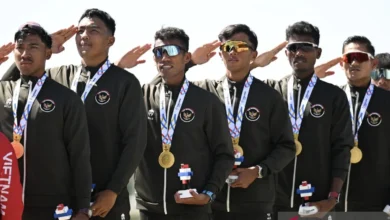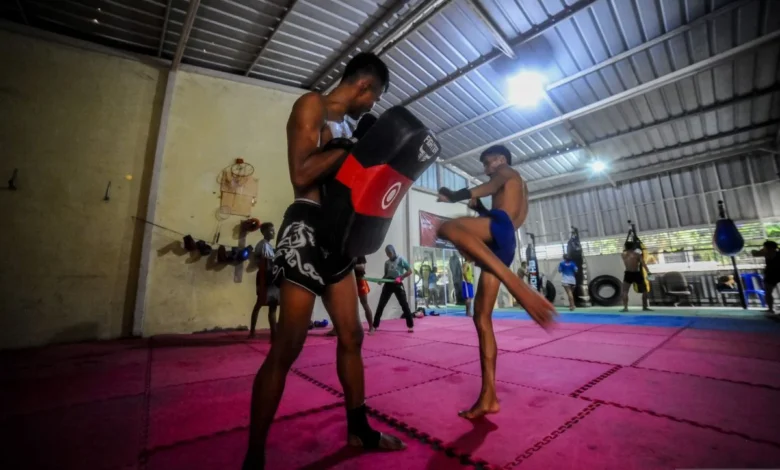
Muay Thai, the iconic combat sport originating from the Kingdom of Thailand, has transcended its traditional roots to become a global phenomenon, recently securing its position as a featured discipline in the 2025 SEA Games. Often referred to as "The Art of Eight Limbs," this striking-based martial art is frequently conflated with Western boxing due to the visual similarities of a ring-based environment, padded gloves, and round-based competition structures. However, a deeper examination of the sport reveals a profound divergence in technique, biomechanics, and cultural philosophy. As the sport continues its ascent in international multi-sport events, understanding the nuances between Muay Thai and conventional boxing is essential for enthusiasts and practitioners alike.
Historical Evolution: From Battlefield Survival to Global Sport
The lineage of Muay Thai is inextricably linked to the military history of Thailand, dating back to the 13th century. Originally known as Muay Boran (ancient boxing), the discipline served as a vital survival system for soldiers during the Sukhothai period. When weaponry was lost or rendered ineffective in close-quarters combat, soldiers relied on their bodies as lethal tools. Every strike in traditional Muay Thai was metaphorical: the hands functioned as swords, the shins and forearms as armor, the elbows as maces, and the knees as spears.
The 16th century remains a pivotal era in the sport’s history, highlighted by the legend of Nai Khanom Tom. According to historical accounts, the fighter was captured by the Burmese army during the fall of Ayutthaya. When granted a chance to win his freedom through combat, he defeated multiple Burmese champions in succession using his distinct Muay Thai techniques. This event solidified the status of the martial art as a point of national pride.
By the 1930s, the sport underwent a significant modernization phase. To align with international safety standards and appeal to a broader sporting audience, Thailand introduced standardized weight classes, round systems, and padded boxing gloves. This transition effectively bridged the gap between a traditional combat ritual and a structured, regulated sport. The formation of the International Federation of Muaythai Associations (IFMA) in 1993 further catalyzed its recognition, eventually leading to its inclusion in major regional and international athletic competitions, including the Olympic-recognized sporting circuit.
Technical Anatomy: Why the Eight Limbs Matter
The fundamental distinction between Muay Thai and Western boxing lies in the number of offensive points allowed. Boxing is a two-point system, utilizing only the fists. Muay Thai, conversely, utilizes eight distinct points of contact: two fists, two elbows, two knees, and two shins.
This structural difference alters the entire biomechanical approach to a fight. In Western boxing, the objective is to maximize the speed, precision, and power of punching combinations. Because there is no threat of a kick or an elbow, boxers can adopt a more aggressive, front-leaning stance, utilizing extensive head movement and intricate footwork to evade incoming strikes.
In contrast, a Muay Thai practitioner—or Nak Muay—must maintain a balanced, upright posture. This stance is designed to facilitate the rapid transition between offensive strikes and defensive blocks. A stance that is too low or a head position that drops too far during a slip would leave a fighter vulnerable to a "teep" (push kick) or a clinch-based knee strike. The clinch is a hallmark of the sport; unlike in boxing, where referees intervene when fighters lock bodies, the clinch in Muay Thai is an active and essential phase of the game, used to control the opponent’s posture and deliver devastating knee and elbow strikes.
Comparative Analysis: Muay Thai vs. Western Boxing
To better understand the distinct demands placed on athletes, one must evaluate the technical requirements of both disciplines across several key metrics:
1. Offensive Arsenal and Engagement
In boxing, the absence of lower-body attacks allows for a high-volume output of punches. Fighters focus on fluid movement and rhythmic transitions. In Muay Thai, the "weaponry" includes the shins and knees, which are used to target an opponent’s legs, torso, and head. This creates a much broader strategic landscape where the distance management differs significantly; a boxer stays at punching range, whereas a Muay Thai fighter must manage ranges for both long-range kicks and close-range elbows.
2. Footwork and Stability
Boxing footwork is characterized by pivot movements, lateral shifting, and rapid entries and exits. A boxer is constantly light on their feet. A Muay Thai fighter requires a more stable base to execute powerful roundhouse kicks. While they do utilize footwork, the emphasis is on maintaining equilibrium to absorb or check incoming leg kicks—a defensive technique completely absent in Western boxing.
3. Defensive Paradigms
Defending in boxing involves slipping, ducking, and "bobbing and weaving." These movements are effective because the threat is confined to the upper body. In Muay Thai, such head movement is often considered a liability. If a fighter ducks, they risk moving their head directly into a rising knee or a shin strike. Consequently, Muay Thai defense relies heavily on "checking" kicks with the shins and using the forearms to create a solid wall against incoming blows.
4. Equipment and Rituals
While both utilize gloves, the absence of shoes in Muay Thai is a defining feature. Furthermore, the sport maintains deep cultural ties to its roots. Many professional fighters enter the ring wearing a mongkhon (headband) and pra jiad (armbands), which are blessed by trainers and represent a spiritual connection to the sport’s heritage. The Wai Kru Ram Muay, a ritualistic dance performed before a fight, serves as a tribute to the fighter’s teacher and ancestors—a stark contrast to the secular nature of modern professional boxing.
Implications of Inclusion in Major Sporting Events
The inclusion of Muay Thai in the 2025 SEA Games marks a significant milestone in the sport’s institutional recognition. This development brings several implications:
- Standardization of Rules: To compete at the multi-sport event level, international governing bodies have had to harmonize rulesets. This ensures athlete safety while maintaining the integrity of the martial art, preventing the sport from becoming too diluted by Western boxing influence.
- Professionalism and Global Growth: The involvement of organizations like ONE Championship, which has utilized legendary venues like Lumpinee Stadium to promote the sport globally, has created a clearer career path for athletes. The transition from regional gyms to professional, international stages is now more streamlined than ever.
- Youth Development: As the sport gains popularity, more youth programs are being established worldwide. These programs emphasize not just the fighting aspect, but the discipline, respect, and physical conditioning inherent in the art. Experts note that for children, the structured nature of Muay Thai training helps in building character, focus, and resilience.
Economic and Cultural Impact
Muay Thai is a cornerstone of Thailand’s tourism economy. Thousands of travelers visit Thailand annually specifically to train at authentic camps. This "Muay Thai tourism" has created a micro-economy that supports local trainers, gym owners, and the peripheral industries of gear manufacturing and sports medicine.
The sport’s global reach has also necessitated improvements in medical protocols. Because Muay Thai involves strikes to the legs and knees, the rate and type of injuries differ from boxing, requiring specialized medical training for ringside physicians. As the sport moves toward even larger stages, these medical standards continue to evolve, ensuring that the "Art of Eight Limbs" remains a viable and respected profession for its practitioners.
Conclusion
While Muay Thai and boxing share a ring and a pair of gloves, they are fundamentally different disciplines shaped by centuries of distinct cultural and strategic development. Boxing is a refined, high-speed chess match of hands, whereas Muay Thai is a comprehensive, multi-dimensional combat system that demands total body awareness. As the sport continues to be integrated into major regional games and international championships, it serves as a testament to the enduring appeal of traditional martial arts in a modern, professionalized world. Whether for the sake of physical fitness, character development, or high-stakes professional competition, Muay Thai stands as a unique discipline that continues to captivate audiences and practitioners around the globe.