PLN Mobile Empowers Customers With Digital Billing Access Amid Stables Rates for Triquarter III 2026

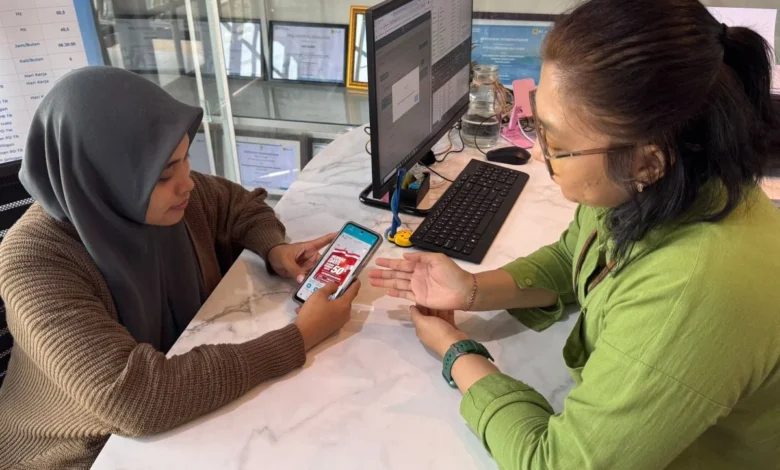
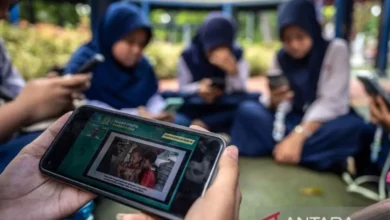
The state-owned electricity enterprise PT PLN (Persero) has reinforced its digital transformation strategy, enabling millions of electricity consumers across Indonesia to seamlessly monitor monthly electricity bills, verify tariff structures, and track real-time power consumption directly from their smartphones. This modernization initiative eliminates the traditional requirement for customers to visit physical service offices for routine administrative tasks, representing a significant milestone in public service delivery and operational efficiency.
Amid ongoing digital enhancements, the government and PLN have jointly confirmed that electricity tariffs for the third quarter of 2026, covering the period from July through September, will remain entirely unchanged. This policy decision provides critical economic stability for households and industrial sectors alike, even as global macroeconomic indicators fluctuate. By combining price stability with comprehensive digital accessibility via the PLN Mobile application, the utility provider aims to foster transparency, improve consumer empowerment, and streamline energy management nationwide.
Evolution of Customer Service Through Digital Integration
For decades, managing electricity accounts—ranging from settling monthly bills to applying for power upgrades or new installations—demanded physical visits to regional customer service desks, often resulting in long waiting queues and administrative friction. Recognizing the imperative for modernization, PLN launched and progressively upgraded PLN Mobile, an all-in-one digital ecosystem designed to centralize every facet of electricity management into a single mobile interface.
The integration of post-paid bill tracking within the application allows consumers to review their exact billing history, calculate anticipated upcoming expenses, and execute payments through integrated digital payment gateways. Furthermore, prepaid energy consumers can effortlessly monitor their token purchase history and remaining kilowatt-hour (kWh) balances, ensuring they can top up proactively to avoid unexpected power interruptions. Beyond billing and payments, the platform accommodates complex service requests, such as new connections (pasang baru), power capacity adjustments (perubahan daya), and rapid reporting of electrical disturbances or public infrastructure hazards.
Understanding Electricity Tariffs and the Tariff Adjustment Mechanism
A critical component of consumer financial planning involves understanding how electricity tariffs are structured across different customer categories. Electricity pricing in Indonesia is not uniform; instead, it varies significantly based on the assigned consumer tier, voltage capacity, and whether the customer qualifies for government-subsidized tariffs or falls under the non-subsidized classification.
For non-subsidized households and commercial entities, tariff determinations are governed by the established tariff adjustment mechanism. Under this framework, electricity rates are periodically evaluated against four key macroeconomic parameters: the Indonesian Rupiah exchange rate against the United States Dollar, the Indonesian Crude Price (ICP), national inflation rates, and the Coal Benchmark Price (Harga Batubara Acuan or HBA).
Despite potential fluctuations in these underlying macroeconomic variables, the government opted to maintain electricity tariffs unchanged for the third quarter (Triwulan III) of 2026. Officials emphasized that maintaining price stability during this period serves to protect purchasing power, curb inflationary pressures on basic goods and services, and maintain industrial competitiveness across the domestic market. Consequently, the specific per-kWh tariffs implemented during the first and second quarters of the year continue to apply seamlessly through September 2026.
Step-by-Step Guide: Managing Accounts via PLN Mobile
To maximize the benefits of the digital platform, PLN encourages all customers to register and navigate the application’s core features. Managing electricity accounts through a smartphone involves several straightforward procedures designed for optimal user experience:
- Application Installation and Account Registration: Users must download PLN Mobile from the official Google Play Store or Apple App Store. Upon opening the application, new users complete a rapid registration process by providing a valid mobile phone number, email address, and full name, followed by secure verification.
- Adding Customer Identity Numbers (IDPEL): Once registered, users link their electricity account by entering the 12-digit Customer ID (Nomor Pelanggan) or meter number. Households managing multiple properties can link several accounts under a single profile.
- Checking Post-Paid Bills: Post-paid consumers select the "Billing" (Informasi Tagihan) menu within the dashboard. The application instantly displays the current month’s accrued bill, historical payment records, and payment status.
- Monitoring Energy Consumption: By analyzing historical usage data provided within the application, post-paid users can evaluate their monthly consumption trends in kWh, enabling them to project upcoming utility expenditures accurately.
- Managing Prepaid Tokens: Prepaid customers can track their token purchases, view the exact kWh value credited from past transactions, and purchase new electricity tokens directly via integrated banking and e-wallet partners.
Broader Economic Implications and Consumer Benefits
The sustained stability of electricity tariffs coupled with widespread digital adoption carries profound economic implications for the Indonesian populace. For households, predictable utility costs allow for more accurate family budgeting during periods of economic uncertainty. Small and medium-sized enterprises (SMEs)—which form the backbone of the national economy—benefit directly from predictable operational overheads, safeguarding profit margins and supporting employment stability.
From an environmental and resource-management perspective, digital transparency encourages energy conservation. When consumers can track their daily or monthly electricity consumption patterns in real time via their mobile devices, they are better positioned to adopt energy-saving behaviors, reduce carbon footprints, and optimize power usage within their residences and businesses. Furthermore, the transition from paper-based billing to digital notifications aligns with national sustainability goals, substantially reducing paper consumption and administrative waste.
Official Perspectives and Future Outlook
Industry analysts and consumer advocacy groups have largely welcomed the combination of stable energy pricing and enhanced digital service delivery. Representatives from energy watchdogs note that transparent pricing mechanisms bolster public trust in state-owned enterprises, while digital platforms minimize bureaucratic bottlenecks and reduce opportunities for administrative discrepancies.
Looking ahead, PLN plans to expand the capabilities of its digital infrastructure even further, integrating smart-grid monitoring features and personalized energy-saving recommendations driven by data analytics. As Indonesia continues its broader trajectory toward digital transformation and energy transition—exemplified by concurrent national initiatives in electric vehicle infrastructure and renewable energy adoption—platforms like PLN Mobile will remain foundational to the modern consumer experience.
By empowering citizens with immediate access to billing data, transparent tariff structures, and streamlined service requests, PLN has redefined the relationship between utility providers and consumers. Customers no longer need to navigate traditional administrative hurdles to manage their basic power needs; instead, comprehensive energy management is now accessible directly from the palm of their hand.