Japanese Automakers and Industry Association Accused of Hindering Indonesia’s Electric Vehicle Transition


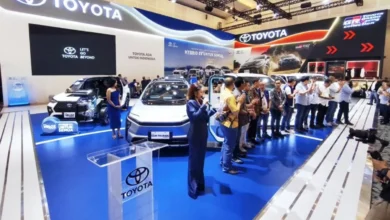
A recent analysis by InfluenceMap, an environmental research organization, has leveled accusations against major Japanese automotive manufacturers—Toyota, Honda, and Suzuki—along with the Indonesian Automotive Industry Association (Gaikindo), alleging their lobbying efforts between 2023 and 2026 have significantly obstructed Indonesia’s transition to electric vehicles (EVs). This strategic push, the analysis contends, risks prolonging the nation’s dependence on imported oil and undermining national energy security goals.
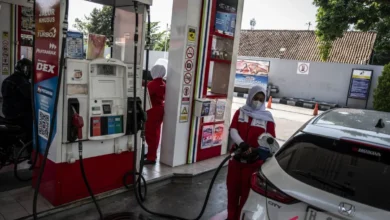
Muhammad Risky, an analyst at InfluenceMap, presented these findings, emphasizing the interconnectedness of Indonesia’s reliance on fuel imports and the urgent need for decarbonization in the transportation sector to achieve energy resilience. "Indonesia’s dependence on fuel imports makes the decarbonization of the transportation sector and energy resilience two inseparable issues," Risky stated during an online briefing on Friday, July 24. He further elaborated that while the Indonesian government recognizes this challenge and has designated energy independence as a national objective, a considerable portion of industry proposals appear to steer the country in the opposite direction, potentially extending its reliance on foreign fossil fuels.
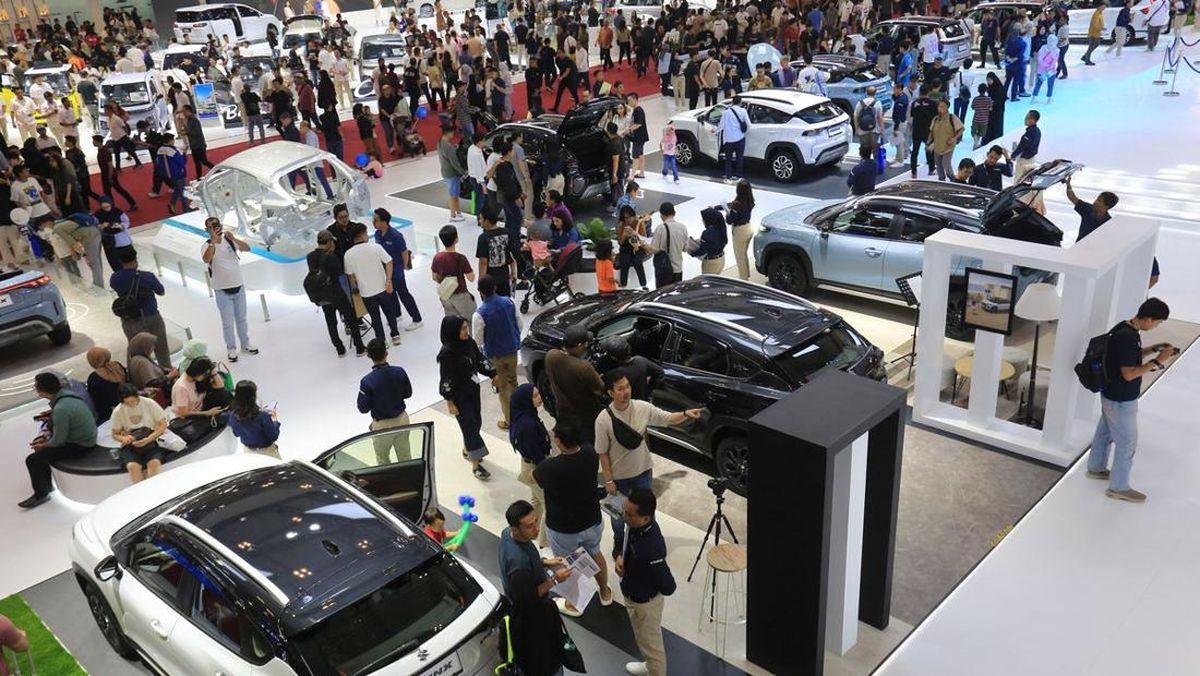
The InfluenceMap analysis highlights the significant market dominance of these Japanese manufacturers. In 2025, Toyota, Honda, and Suzuki collectively held approximately 74% of the Indonesian vehicle market share. Furthermore, their leadership positions within Gaikindo grant them substantial influence over the strategic direction of transportation decarbonization efforts in the archipelago. This concentration of power and influence is seen as a key factor enabling their advocacy for internal combustion engine (ICE)-based vehicles.
The report’s findings emerge at a critical juncture for Indonesia’s automotive policy. President Prabowo Subianto has repeatedly underscored the imperative to reduce reliance on imported fuels and bolster national energy resilience through electrification. As Indonesia navigates the development of its National Electric Vehicle Roadmap and the formulation of new EV incentive policies slated for 2026, the industry’s advocacy for extending the lifespan of ICE vehicles poses a direct challenge to these ambitious governmental agendas.
Industry Lobbying vs. National Energy Goals
InfluenceMap’s analysis suggests that the automotive industry’s lobbying efforts are actively working against the government’s stated ambition to curb oil import dependency. Instead, these efforts appear to champion the long-term role of hybrid vehicles, which still rely on ICE technology. This advocacy has reportedly influenced policy decisions, notably the government’s decision in December 2024 to broaden incentive schemes, initially designed for Battery Electric Vehicles (BEVs), to include ICE-based hybrid vehicles.
The report indicates that the automotive industry has continued to press for incentives for ICE-based vehicles in the lead-up to the expected announcement of a new incentive package later this year. "Toyota, Honda, Suzuki, and Gaikindo are advocating for continued policy support for hybrid vehicles, which has the potential to delay the transition to BEVs in Indonesia," Risky asserted.
The analysis identifies three core narratives advanced by Toyota, Honda, Suzuki, and Gaikindo:
- Market Growth Incentive: They argue that incentives for ICE-based vehicles will stimulate market growth.
- Suitability for Indonesian Conditions: They posit that hybrid vehicles are better suited to Indonesia’s road conditions and infrastructure.
- Technology Neutrality: They advocate for a "technology-neutral" approach to decarbonization policies in the transportation sector.
InfluenceMap’s analysis directly challenges these narratives. "Based on publicly available evidence, this analysis refutes all three narratives," Risky stated. He pointed to the rapid growth of EV sales in Indonesia over the past five years as evidence against the market growth argument. Furthermore, he cited research indicating that BEVs offer significantly greater emission reductions compared to hybrid vehicles, even when considering Indonesia’s current electricity generation mix.
A Coordinated Global Strategy?
These findings align with previous research conducted by InfluenceMap, which has documented what appears to be a coordinated global strategy by the automotive industry, particularly by Toyota and the Japan Automobile Manufacturers Association (JAMA). This strategy, according to earlier reports, aims to slow down the transition to electric vehicles in numerous developing markets, including Indonesia. The implication is that the lobbying efforts in Indonesia are not isolated incidents but part of a broader, international effort to protect established business models.
Background and Chronology of Policy Development
The Indonesian government has been increasingly vocal about its commitment to EVs and sustainable energy. The push for a national EV roadmap and supportive policies has been a gradual process, with several key milestones:
- Early 2020s: Growing awareness and initial discussions about the need for EVs to address air pollution and energy security concerns.
- 2022-2023: The government begins formulating the National Electric Vehicle Roadmap, outlining targets and strategies for EV adoption. This period likely saw increased engagement and lobbying from the automotive industry.
- December 2024: A significant policy shift occurs as the government expands existing incentives, originally intended for BEVs, to include ICE-based hybrid vehicles. This decision is presented as a step towards broader electrification but is interpreted by critics as a concession to ICE proponents.
- Late 2025 (Projected): The government is expected to announce a new package of incentives for electric vehicles. The current industry advocacy is likely aimed at influencing the nature and scope of these forthcoming incentives.
Supporting Data and Market Dynamics
The Indonesian automotive market is substantial, with millions of vehicles sold annually. The dominance of Japanese brands like Toyota, Honda, and Suzuki is a long-standing reality, reflecting decades of investment, brand loyalty, and extensive dealer networks.
- Market Share: As of 2025, Toyota, Honda, and Suzuki collectively held approximately 74% of the Indonesian vehicle market. This translates to a significant portion of new vehicle sales and a vast installed base of ICE vehicles on the road.
- EV Growth: Despite the challenges, the EV market in Indonesia has shown promising growth. While starting from a low base, sales of BEVs have seen a notable increase in the past five years. Data from the Association of Indonesian Automotive Industries (Gaikindo) indicates a steady rise in EV sales, though specific figures for the entire period of 2023-2026 would require more granular reporting. For instance, in 2023, sales of four-wheeled BEVs reached tens of thousands of units, a significant jump from previous years.
- Emission Reduction Potential: Research consistently shows that BEVs offer a substantial reduction in tailpipe emissions compared to ICE vehicles and even hybrid vehicles. While the electricity grid’s carbon intensity plays a role, the overall lifecycle emissions of BEVs are projected to be significantly lower, especially as Indonesia’s renewable energy capacity increases. A 2023 study by the International Council on Clean Transportation (ICCT) found that even with a carbon-intensive grid, BEVs in many markets offer lower lifecycle emissions than comparable ICE vehicles.
Analysis of Implications
The alleged actions of the Japanese automakers and Gaikindo carry significant implications for Indonesia’s future:
- Delayed Decarbonization: The prolonged advocacy for ICE-based and hybrid vehicles directly impedes the rapid uptake of zero-emission BEVs. This delay means that emissions from the transportation sector will continue to contribute to air pollution and climate change for longer than necessary.
- Extended Fossil Fuel Dependency: By slowing the transition to EVs, Indonesia remains more reliant on imported oil for its transportation needs. This not only impacts the national trade balance but also exposes the country to volatile global oil prices and geopolitical risks. Energy security remains a critical concern, and a robust EV transition is a key component of achieving greater independence.
- Missed Economic Opportunities: A swift transition to EVs can foster domestic industries related to battery production, charging infrastructure, and EV manufacturing. By slowing this transition, Indonesia may miss out on potential job creation and economic growth in these burgeoning sectors.
- Policy Uncertainty: The continuous lobbying and perceived influence on policy decisions can create uncertainty for investors and consumers interested in the EV ecosystem. A clear and consistent policy direction is crucial for encouraging investment and consumer confidence.
Industry Response and Next Steps
CNN Indonesia has reached out to Gaikindo for a response to the allegations of hindering the electric vehicle transition. As of the publication of this report, Gaikindo had not yet provided a statement. The lack of immediate comment from the association, or potentially from the individual manufacturers, leaves the accusations unaddressed by the accused parties.
The findings of InfluenceMap’s analysis are likely to spark further debate and scrutiny regarding the automotive industry’s role in shaping Indonesia’s environmental and energy policies. As the government prepares to release its next set of EV incentives, the pressure will be on to ensure that policies genuinely accelerate the shift towards zero-emission transportation, aligning with national energy security and climate goals. The coming months will be crucial in determining whether Indonesia’s automotive future will be dominated by cleaner, electric power or remain tethered to the internal combustion engine.
The debate over the pace and nature of the EV transition in Indonesia is complex, involving economic interests, technological advancements, consumer preferences, and national policy objectives. The InfluenceMap report provides a critical perspective, highlighting the potential for industry lobbying to steer policy away from the most environmentally beneficial outcomes.