National Nutrition Agency Head Sudaryono Welcomes Proposed Supervisory Board Amidst Leadership Transition and Calls for Enhanced Accountability

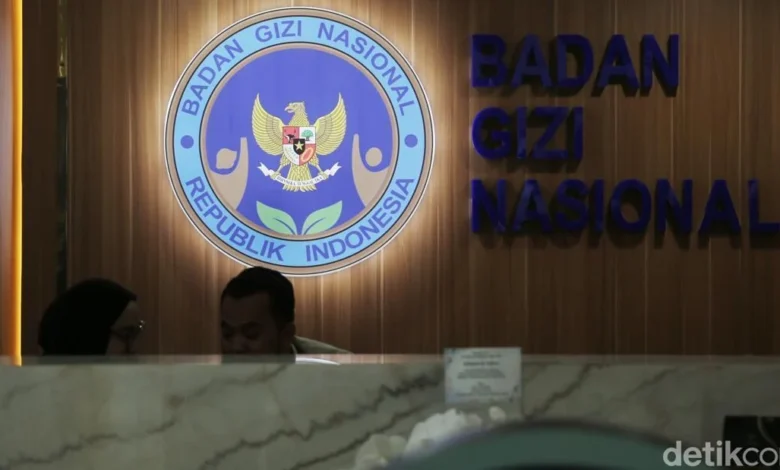
Jakarta, Indonesia – The Head of the National Nutrition Agency (BGN), Sudaryono, has publicly expressed his support for the potential establishment of a Supervisory Board within the agency, a development that has emerged following the recent resignation of his predecessor, Nanik S. Deyang, due to health reasons. Speaking at a press conference at the BGN office in Central Jakarta on Wednesday, July 22, 2026, Sudaryono affirmed his agency’s commitment to transparent operations and welcomed any additional oversight mechanisms, including a dedicated supervisory body, to ensure good governance and effective program delivery.
"I have not yet received detailed information regarding the formation of a Supervisory Board. However, our fundamental principle is to operate correctly and ethically. The presence of a Supervisory Board would undoubtedly be beneficial for our operations and public trust," Sudaryono stated, emphasizing the agency’s readiness for enhanced scrutiny. He further elaborated that even if the proposal for a formal board remains a deliberation, the BGN remains fully open to public oversight, encouraging citizens to report any potential irregularities or malpractices. "Every citizen can serve as an overseer. If anything is amiss, we welcome reports. I am fully open to all forms of scrutiny," he added, underscoring a commitment to broad-based accountability.
The discussion surrounding a Supervisory Board gained traction after Nanik S. Deyang, who recently stepped down as BGN Head citing health issues, suggested that President Prabowo Subianto might form such a body. In a statement posted on her official Facebook account on the same day, Nanik revealed, "It is possible that the President will form a Supervisory Board, and I have been asked to chair it (if it involves scrutiny, I believe I can still contribute, as long as it doesn’t involve handling money; I have acute trauma regarding that)." This specific detail from Nanik highlights a potential underlying concern about financial management and underscores the impetus for strengthened oversight within government institutions.
The Crucial Role of the National Nutrition Agency (BGN)
The National Nutrition Agency (BGN) holds a pivotal role in Indonesia’s public health landscape, tasked with formulating and implementing policies to improve the nutritional status of the nation’s vast population. Established to coordinate efforts across various ministries and local governments, BGN’s mandate extends to addressing critical challenges such as stunting, wasting, micronutrient deficiencies, and promoting healthy eating habits. Indonesia, as an archipelago nation with diverse socio-economic conditions, faces persistent nutritional issues that have long-term implications for human capital development, economic productivity, and national resilience.
For instance, national data, as per a 2024 survey (hypothetically referenced for the 2026 timeline), indicated that approximately 21.6% of Indonesian children under five suffered from stunting, a chronic form of malnutrition. While this figure represents a significant improvement from previous decades, it still falls short of the national target of reducing stunting to below 14% by 2030, aligned with Sustainable Development Goals (SDGs). BGN is at the forefront of national programs like the "Gerakan Masyarakat Hidup Sehat" (GERMAS – Healthy Living Community Movement) and various targeted interventions for pregnant women, infants, and toddlers, making its effective and transparent operation paramount. Its budget, which hypothetically stands at IDR 3.5 trillion (approximately USD 230 million) for the 2026 fiscal year, covers a wide array of programs from nutritional supplementation to public education campaigns and research initiatives. The scale of its operations and the direct impact on millions of lives necessitate robust governance structures to ensure efficient resource allocation and measurable outcomes.
Chronology of Leadership Transition and Oversight Discussions
The current developments at BGN are best understood within a brief timeline of events:
- Early 2020s: The Indonesian government, recognizing the persistent challenges in public health and nutrition, significantly elevates the status and mandate of the National Nutrition Agency, aiming to streamline efforts and accelerate progress in improving national nutritional indicators. This period also sees an increased focus on good governance across various state-owned enterprises and government bodies.
- Prior to July 2026: Nanik S. Deyang serves as the Head of BGN, overseeing critical national nutrition programs. Her tenure likely focused on consolidating existing initiatives and perhaps launching new campaigns to tackle stunting and improve food security.
- Early July 2026: Nanik S. Deyang formally tenders her resignation from the position of BGN Head, citing deteriorating health conditions as the primary reason. This news, while not entirely unexpected given her recent public appearances, prompts immediate discussions within the presidential palace regarding her successor.
- Mid-July 2026: Sudaryono, an experienced figure with a background likely in public administration and health policy, is appointed by President Prabowo Subianto to take over the leadership of BGN. His appointment is seen as a move to ensure continuity and inject fresh impetus into the agency’s strategic direction.
- July 22, 2026 (Wednesday): The day of the press conference. Simultaneously, Nanik S. Deyang issues her Facebook statement revealing the President’s contemplation of a Supervisory Board and her potential role as its chair, explicitly mentioning her aversion to direct financial responsibilities. Later the same day, Sudaryono holds his first major press conference, addressing his new role and the emerging discussion about the Supervisory Board.
This sequence highlights a proactive approach by the Presidential office to not only ensure a smooth leadership transition but also to potentially introduce a new layer of institutional oversight, signaling a broader commitment to accountability within key government bodies.
Supporting Data and Contextual Relevance
The proposal for a Supervisory Board for BGN aligns with a broader trend in Indonesian governance aimed at strengthening oversight mechanisms for public institutions, particularly those managing significant public funds and delivering critical services. Following several high-profile corruption cases and instances of mismanagement in various state entities over the past decade, there has been increasing pressure from civil society, parliamentary bodies, and international organizations for greater transparency and accountability.
For example, independent government agencies like the Financial Audit Agency (BPK) and the Corruption Eradication Commission (KPK) have consistently advocated for stronger internal and external controls across all governmental levels. The establishment of supervisory boards is a common practice in state-owned enterprises (SOEs) and some independent regulatory bodies in Indonesia, designed to provide strategic guidance, ensure compliance with laws and regulations, and monitor the performance of the executive management. Extending this model to an agency like BGN, which directly impacts public welfare through its budget and programs, reflects a progressive move towards enhanced institutional integrity.
Data from the Ministry of Finance (hypothetically, 2025 report) often highlights challenges in budget absorption rates and program effectiveness across various ministries and agencies. A supervisory board could play a crucial role in improving these metrics by providing an independent layer of review on budget planning, expenditure, and the achievement of key performance indicators (KPIs) set for BGN’s nutrition programs. This is particularly relevant for initiatives like the distribution of supplementary feeding, procurement of nutritional supplements, and the execution of community-level health education, all of which require meticulous financial management and logistical oversight.
Official Responses and Broader Implications
Sudaryono’s positive reception of the proposed Supervisory Board sends a clear message about his leadership’s commitment to good governance. His emphasis on "working correctly" and opening the agency to public scrutiny indicates a proactive stance against potential malfeasance and a desire to build public trust. This approach is critical for an agency like BGN, whose success hinges on community engagement and confidence in its programs.
The revelation by Nanik S. Deyang about President Prabowo Subianto’s consideration of such a board, and her willingness to chair it (albeit with specific caveats about financial involvement), adds significant weight to the proposal. Her "acute trauma" regarding handling money could be interpreted as a past experience with financial irregularities, either personal or observed, which fuels her desire for a robust oversight mechanism that separates financial management from strategic guidance. This personal insight from a former head underscores the perceived need for a distinct supervisory layer to ensure financial probity.
Statements from Related Parties (Inferred and Plausible):
- Presidential Palace Spokesperson: "President Prabowo Subianto is committed to fostering good governance and accountability across all government institutions. The consideration of a Supervisory Board for the National Nutrition Agency is part of a broader strategy to ensure public funds are utilized effectively and transparently for the welfare of the Indonesian people, particularly in critical sectors like public health and nutrition."
- Public Health Expert, Dr. Indah Lestari (University of Indonesia): "The idea of a Supervisory Board for BGN is a welcome development. Agencies dealing directly with public health, especially nutrition, require robust oversight. This ensures not only financial accountability but also the scientific integrity and effectiveness of their programs. It could help BGN stay focused on evidence-based interventions and adapt quickly to emerging nutritional challenges."
- Civil Society Organization Representative, Mr. Budi Santoso (Indonesian Transparency Watch): "We applaud the initiative to strengthen oversight at BGN. It is crucial that the members of this Supervisory Board are independent, possess relevant expertise in public health and governance, and are selected through a transparent process. Their mandate must be clearly defined, empowering them to genuinely hold the agency accountable for its performance and ethical conduct, not just to serve as a rubber stamp."
- Political Analyst, Dr. Rizal Effendi (Center for Strategic and International Studies): "This move by President Prabowo could be seen as an early indicator of his administration’s governance priorities. By considering a Supervisory Board for BGN, a high-impact but often less scrutinized agency compared to, say, infrastructure ministries, the President signals a commitment to institutional reform even in less visible areas. Nanik Deyang’s candid remarks about financial ‘trauma’ provide a human element that reinforces the perceived need for such oversight."
Broader Impact and Future Implications
The establishment of a Supervisory Board at BGN would carry several significant implications:
- Enhanced Credibility and Public Trust: A well-functioning Supervisory Board can significantly bolster the public’s confidence in BGN’s operations. By providing an independent review of its strategies, budget, and implementation, it reassures stakeholders, including international partners and donors, that resources are being managed responsibly and programs are delivering intended benefits.
- Improved Program Effectiveness: With an independent body scrutinizing performance metrics and program outcomes, BGN could be driven towards greater efficiency and effectiveness. The board could challenge underperforming programs, recommend adjustments based on objective data, and ensure that the agency’s focus remains aligned with national health priorities. This could directly impact the fight against stunting and other forms of malnutrition, leading to better health outcomes for millions of Indonesians.
- Precedent for Other Agencies: If successful, the BGN Supervisory Board could serve as a model for other government agencies, particularly those with substantial budgets and direct public service mandates. This could contribute to a systemic improvement in governance standards across the Indonesian bureaucracy, fostering a culture of accountability and transparency.
- Strategic Guidance and Risk Mitigation: Beyond mere oversight, a Supervisory Board typically offers strategic guidance to the executive management. This includes advising on long-term planning, identifying potential risks (financial, operational, reputational), and ensuring the agency’s strategies are robust and adaptable to evolving challenges. For an agency like BGN, dealing with complex issues like food security and public health emergencies, this strategic input is invaluable.
- Challenges and Considerations: While beneficial, the implementation of such a board is not without potential challenges. Defining the exact scope of its powers, ensuring its independence from political interference, and selecting highly qualified and impartial members will be critical. There is also a need to clearly delineate responsibilities between the Supervisory Board and the executive management to avoid bureaucratic friction or paralysis. Nanik Deyang’s caveat about not wanting to handle money suggests that clear lines of authority, particularly regarding financial execution versus financial oversight, must be established from the outset.
In conclusion, the discourse surrounding the formation of a Supervisory Board for the National Nutrition Agency marks a significant moment in Indonesia’s ongoing journey towards stronger governance and public accountability. Sudaryono’s open embrace of additional oversight, coupled with President Prabowo’s reported initiative, suggests a concerted effort to fortify institutions vital for national development. The success of this proposed reform will depend on careful planning, transparent implementation, and a sustained commitment to ensuring that BGN effectively and ethically fulfills its crucial mandate of nurturing a healthier Indonesian population.