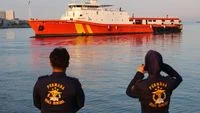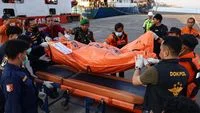
The devastating sinking of the KM Nurul Salsa in the waters of Selayar Islands Regency, South Sulawesi, has taken a new turn with a family of one of the victims formally filing a police report, raising serious allegations that the tragic incident may not have been purely accidental. Andi Eka Gunarti, the distraught mother of eight-year-old Naurah, who remains missing along with her grandfather, Umar, since the vessel went down, initiated the legal action. The family’s decision to report the incident to the Selayar Islands Police underscores their profound grief and demand for a comprehensive investigation into the circumstances surrounding the maritime disaster. This move not only seeks justice for their lost loved ones but also casts a critical spotlight on the broader issues of maritime safety and accountability within Indonesia’s vast archipelagic transport network.
The Tragic Voyage of KM Nurul Salsa: A Chronology of Disaster
The ill-fated voyage began on Wednesday, July 15, when the KM Nurul Salsa departed from Jampea Island at approximately 05:00 Central Indonesia Time (WITA), bound for Benteng Port on Selayar Island. The vessel, classified as a motor sailing vessel (KLM), was carrying a significant manifest of both passengers and cargo, a common sight for inter-island transport in remote regions of Indonesia. Initial reports indicated around 46 individuals on board, but subsequent, more meticulous verification by a joint team from the National Search and Rescue Agency (Basarnas) Makassar revealed a far more alarming figure: 78 people, including eight crew members. This stark discrepancy immediately flagged serious concerns about potential overloading, a chronic issue in Indonesian maritime transport that compromises vessel stability and safety. Beyond human lives, the vessel was also laden with approximately 17 tons of staple goods and four motorcycles, further exacerbating the risk factors associated with an already crowded ship.
The journey took a catastrophic turn when, about 43 nautical miles from its destination at Benteng Port, the KM Nurul Salsa reportedly suffered an engine malfunction. Adrift in the open sea, the vessel became a helpless toy in the face of strong winds and towering waves, conditions that are both common and perilous in the vast Indonesian archipelago. After hours of being tossed by the relentless ocean, battling against the powerful forces of nature, the ship eventually capsized and sank on the evening of July 15, plunging its occupants into the treacherous waters. This disaster sent shockwaves through the local communities of Jampea and Selayar Islands, highlighting the inherent dangers of inter-island sea travel and the critical importance of stringent safety protocols that are often overlooked or inadequately enforced. The sudden loss of life and the subsequent extensive search operations brought the fragility of maritime transport in remote areas into sharp, painful focus.
Mounting Suspicions: Allegations of Deliberate Engine Shutdown
What began as a harrowing tale of maritime misfortune has quickly evolved into a more complex and disturbing narrative following the family’s formal complaint to the police. Hasrul, Naurah’s uncle, conveyed the family’s deep-seated suspicions to reporters on Wednesday, July 22, stating, "After consulting with legal experts, we decided to report this tragedy to the Selayar Islands Police as a form of our objection." He elaborated that the decision came after extensive and emotional deliberations among the extended family regarding the sudden and tragic loss of their loved ones, driven by a profound need for answers and accountability.
The core of the family’s grievance lies in an alarming piece of information they received, which suggests a potentially criminal element to the incident. "Family information suggests that the ship’s engine was intentionally shut down because it was overheating," Hasrul claimed. "That’s why we are asking the police to investigate everything thoroughly." This grave allegation, if substantiated by the ongoing investigation, transforms the incident from a mere operational failure or an unfortunate accident into a potential criminal act, raising profound questions about crew conduct, maintenance practices, and the overall responsibility of the vessel’s operators. Intentional engine shutdown in the open sea, especially amidst adverse weather conditions characterized by strong winds and high waves, is an extraordinarily dangerous maneuver that could significantly compromise the safety and survival chances of everyone on board. It points towards a desperate measure taken by the crew, possibly to prevent further damage to the engine, but at an immense and unacceptable cost to human life. Such an action, if proven, would indicate a severe dereliction of duty and a blatant disregard for passenger safety.
Law Enforcement Response: A Comprehensive Investigation Underway
In response to the family’s report and the broader implications of the sinking, the Selayar Islands Police have confirmed that a full-scale investigation is actively in progress. Aipda Suardi Andre, Head of Public Relations Sub-section (Kasubsi Penmas) for the Selayar Islands Police, acknowledged the receipt of the report, stating, "It is reasonable and commendable for the family to report, as a response to the loss of family members from this tragedy." He affirmed the police’s commitment to thoroughly examine the family’s allegations and ensure that all aspects of the disaster are investigated without prejudice.
Crucially, Suardi Andre emphasized that law enforcement agencies had already initiated their investigative procedures even before the family’s formal complaint was filed. "Before the family reported, we had already implemented legal process mechanisms and conducted an investigation," he explained, indicating a proactive approach by the authorities. The scope of this preliminary inquiry has been extensive, with investigators from the Criminal Investigation Unit (Satreskrim) of the Selayar Police meticulously examining over 20 witnesses. These witnesses include key figures such as the captain of the KM Nurul Salsa, various crew members (ABK), survivors of the tragedy who can offer firsthand accounts, and other relevant parties who could shed light on the events leading up to and during the sinking. The thoroughness of the witness interviews underscores the police’s commitment to uncover the complete truth and piece together the sequence of events that led to the catastrophe.
Looking ahead, Suardi Andre revealed that a crucial case presentation, known as a "gelar perkara" in Indonesian legal parlance, is imminent. This vital step in the Indonesian legal process involves presenting all collected evidence and findings to senior investigators and prosecutors to collectively determine the viability of escalating the case to a full investigation and, if warranted by the evidence, identifying and naming suspects. "God willing, in the near future, we will hold a case presentation to determine whether we can escalate the case to an investigation and identify suspects," he stated, signaling a potential shift towards criminal proceedings and the pursuit of justice for the victims and their families. This development is eagerly awaited by the affected communities, as it could provide the first concrete steps towards accountability.
Extensive Search and Rescue Efforts: A Race Against Time
Following the initial reports of the KM Nurul Salsa’s distress, a massive and challenging search and rescue (SAR) operation was immediately launched by the National Search and Rescue Agency (Basarnas) and a joint team comprising various government agencies, military units, and local volunteers. The scale of the disaster, coupled with the large number of missing persons, necessitated an intensive and prolonged effort across a wide expanse of treacherous waters. The initial phase of the operation focused on the immediate vicinity of the sinking, battling against harsh environmental conditions.
The operation, initially slated for seven days, was extended for an additional three days, as announced by Basarnas Director of Operations, Rear Admiral Yudhi Bramantyo, on Tuesday, July 21. This decision, made in coordination with local government and regional leadership coordination forums (Forkopimda), reflected the grim reality that 16 passengers still remained unaccounted for. The extended search highlighted the agency’s unwavering commitment to finding all victims, despite the diminishing hopes of finding survivors after such a prolonged period at sea. The dedication of the SAR teams, working tirelessly day and night, earned widespread appreciation from the public.
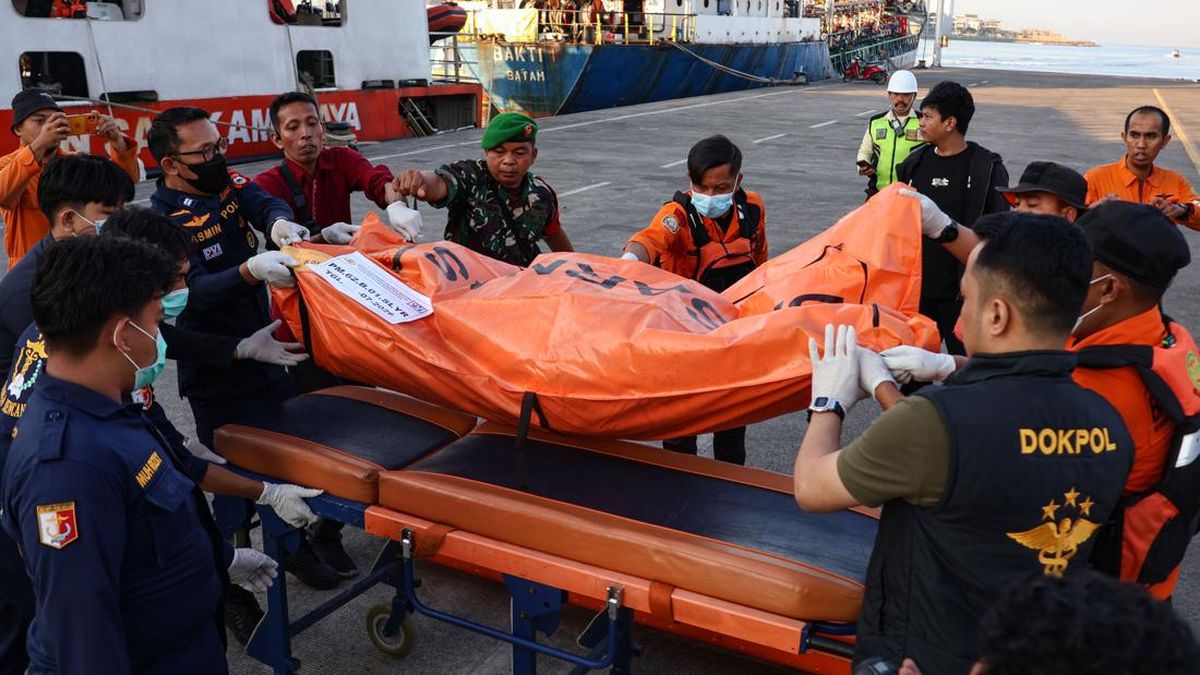
On Wednesday, July 22, the eighth day of the operation, the joint SAR team strategically intensified its efforts, focusing on a vast area stretching from the Sabalana Islands to the waters off West Nusa Tenggara (NTB). This strategic shift in the search zone was based on meticulous analysis of ocean currents, which indicated the potential for objects, including victims, to drift westward over time. Andi Sultan, Head of Operations and Standby Basarnas Makassar, elaborated on this critical strategy: "Based on the analysis of sea current data that we use as an operational reference, there is potential for objects to drift towards the waters of West Nusa Tenggara." This scientific approach allowed for a more targeted and efficient deployment of resources across a vast maritime area.
The search efforts were meticulously organized, dividing the expansive operational area into two distinct sectors to maximize coverage. The first Search and Rescue Unit (SRU) utilized the KN SAR Pacitan, a primary SAR vessel equipped with advanced navigation and search capabilities, along with a Rigid Inflatable Boat (RIB) to comb the eastern part of the Sabalana Islands. This specific focus included paying particular attention to uninhabited islands and remote coastlines where survivors or bodies might have washed ashore. Concurrently, the second SRU, deploying the KLM Mattoangin, conducted sweeping searches across the western sector of the Sabalana Islands, ensuring comprehensive coverage of all potential drift zones.
Despite the concerted efforts and advanced planning, the SAR teams faced formidable challenges posed by the natural environment. Andi Sultan underscored the persistent difficulties posed by prevailing weather conditions. "High waves around the Sabalana Islands cause the movement of personnel and equipment to be carried out with greater caution without reducing the intensity of the search," he explained. The relentless high waves and strong currents not only made navigation difficult and dangerous for search vessels but also significantly complicated visual searches, hampered the deployment of specialized underwater equipment, and increased the risk for rescue personnel.
As of the eighth day of the operation, the updated casualty figures painted a somber picture: Out of the total 78 individuals on board the KM Nurul Salsa, 59 had been successfully rescued alive, a testament to the heroic efforts of the SAR teams, local fishermen, and community members who responded swiftly. Tragically, three bodies had been recovered from the sea. However, a lingering uncertainty remained regarding one of the recovered bodies. Andi Sultan confirmed, "One body still cannot be confirmed whether it is one of the passengers of KM Nurul Salsa; we are still waiting for information from the DVI team." This highlights the complex and often agonizing process of victim identification in such large-scale disasters, relying on forensic techniques. The remaining 16 individuals were still officially listed as missing, prompting continued prayers and efforts from their families and the wider public, even as the likelihood of finding more survivors diminished with each passing day.
Broader Context: Maritime Safety in the Indonesian Archipelago
The tragedy of the KM Nurul Salsa is a stark and painful reminder of the persistent challenges surrounding maritime safety in Indonesia, an archipelagic nation heavily reliant on sea transportation for connectivity, trade, and livelihoods. With over 17,000 islands, ferries, cargo ships, and traditional motor sailing vessels like the KM Nurul Salsa are vital lifelines for millions, particularly in remote regions where air or land transport is non-existent or impractical. However, this indispensable reliance often comes with inherent and frequently realized risks.
Indonesia’s maritime safety regulations, primarily overseen by the Directorate General of Sea Transportation under the Ministry of Transportation, are comprehensive on paper. They cover crucial aspects such as vessel seaworthiness, adherence to passenger capacity limits, strict cargo restrictions, mandatory crew certification, and the provision and mandatory use of safety equipment. Yet, enforcement of these regulations remains a significant hurdle. Factors such as the vast geographical areas to monitor, limited resources for effective surveillance, and regrettably, sometimes a lack of strict adherence by vessel operators and passengers themselves, contribute to the recurring incidents that plague the nation’s waterways.
Common causes of maritime accidents in the region include:
- Overloading: As potentially evidenced by the alarming discrepancy in the KM Nurul Salsa’s manifest, carrying more passengers or cargo than a vessel’s certified capacity is a frequent and highly dangerous practice. This compromises the vessel’s stability, buoyancy, and maneuverability, making it highly susceptible to capsizing, especially in adverse weather.
- Poor Maintenance: Many vessels, particularly older or traditionally built ships, often operate with inadequate maintenance schedules or use sub-standard parts. This leads to mechanical failures, including critical engine breakdowns, which can leave a vessel adrift and vulnerable.
- Adverse Weather Conditions: While weather forecasts are increasingly available, vessels sometimes depart in marginal conditions, or unexpected severe storms can quickly turn a calm sea into a deadly trap. Operators may sometimes prioritize schedules over safety.
- Human Error: This encompasses a wide range of issues from navigational mistakes, improper handling of emergencies, a lack of proper training, or outright negligence by the crew. The allegation of an intentional engine shutdown due to overheating, if proven true, would fall under critical human decision-making under duress, potentially influenced by operational pressures to protect the vessel’s engine at the expense of human safety.
- Lack of Safety Equipment or Training: Insufficient life jackets, dysfunctional emergency beacons, or a lack of passenger safety drills can turn a survivable incident into a mass casualty event, as passengers are unprepared or unable to react effectively in an emergency.
The Selayar Islands, located off the southern coast of Sulawesi, exemplify the challenges faced by many remote island communities in Indonesia. Their economy thrives on fishing, inter-island trade, and nascent tourism, all of which are heavily dependent on reliable and safe sea links. The distances between islands are significant, and the local population often relies on smaller, traditional vessels for daily commutes and transport of goods, where formal safety checks and regulatory oversight might be less rigorous compared to larger, more regulated ferry routes. The tragedy of the KM Nurul Salsa brings into sharp focus the urgent need for improved maritime infrastructure, better and more consistent oversight, and an enhanced safety culture throughout the entire archipelago.
The Human Cost and Calls for Accountability
Beyond the grim statistics and the complex legal proceedings, the sinking of the KM Nurul Salsa represents a profound human tragedy. Families like Andi Eka Gunarti’s are grappling with unimaginable loss, the agonizing wait for news of their missing loved ones, and the overwhelming grief of knowing they may never return. The emotional toll on the survivors, who witnessed firsthand the chaos, terror, and loss of life during the sinking, will undoubtedly be long-lasting, leaving deep psychological scars. Communities across Jampea and Selayar Islands mourn those lost and rally in support of the affected families, sharing their sorrow and offering what solace they can.
The family’s police report is more than just a legal formality; it is a desperate plea for justice and accountability