Ministry of Public Works Grapples with Widespread Online Gambling Among Lower-Echelon Staff


Jakarta, Indonesia – The Ministry of Public Works (Kementerian Pekerjaan Umum, or PU) has unveiled a troubling prevalence of online gambling among its employees, with data indicating that a significant majority of those involved are from lower administrative echelons. Dody Hanggodo, the Minister of Public Works, disclosed that approximately 6,000 out of the ministry’s 38,600 employees have been flagged for suspected online gambling transactions, with some individual transactions reaching an astounding Rp 800 million (approximately USD 49,000). The revelation, based on data from the Financial Transaction Reports and Analysis Centre (Pusat Pelaporan dan Analisis Transaksi Keuangan, or PPATK), underscores the pervasive nature of online gambling, or "judol," within Indonesia’s civil service and the broader societal challenges it poses.
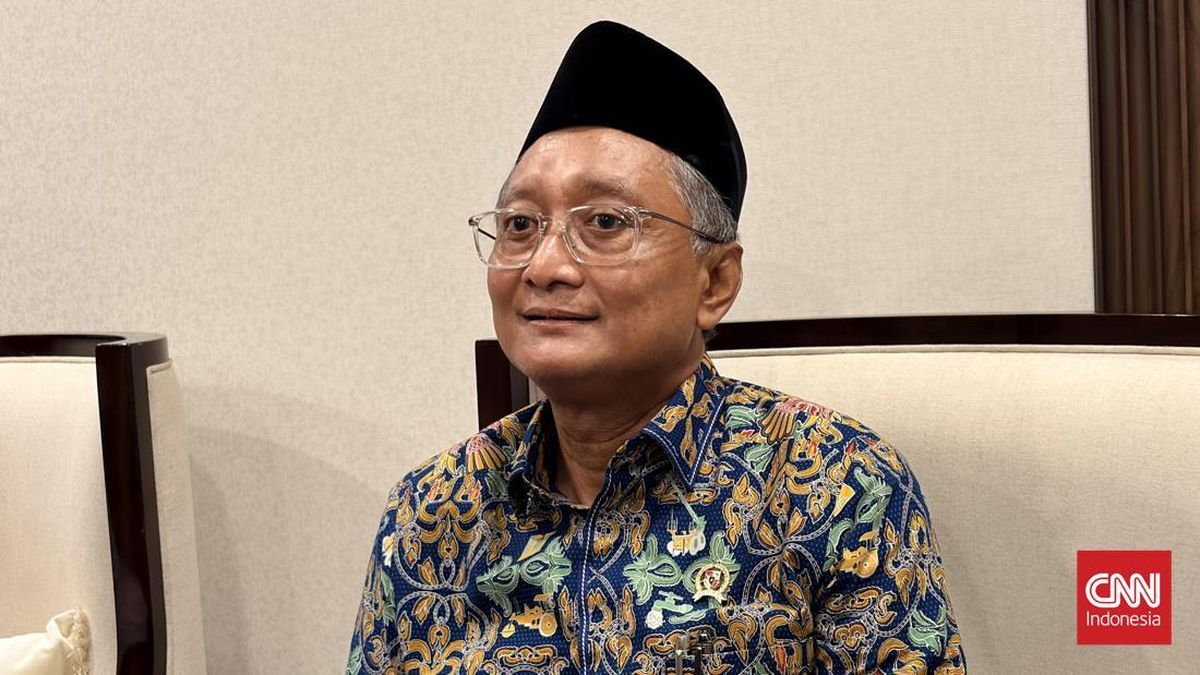
Minister Hanggodo, speaking to media representatives at his office on Wednesday, July 22, expressed his astonishment at the figures, particularly the large sums involved and the fact that the highest transaction values were associated with employees from Echelon IV and below, including those without specific echelon classifications. "The data shows about 6,300 people involved in online gambling, and what’s shocking is that the value can reach hundreds of millions. I’m confused because these are not Echelon I or Echelon II officials, but rather Echelon IV, Echelon V, and those without echelons," Minister Hanggodo stated, highlighting a deep concern regarding the financial integrity of his staff. He further elaborated that the single highest transaction detected for one individual was Rp 800 million, contributing to a total of billions of rupiah transacted by the 6,000 employees under suspicion.
The Scale of the Problem: PPATK Data and Ministry’s Internal Response
The data provided by PPATK forms the backbone of the Ministry of Public Works’ internal investigation. PPATK, as Indonesia’s intelligence unit in the financial sector, is tasked with preventing and eradicating money laundering and terrorism financing by analyzing suspicious financial transactions. Its ability to track and flag transactions linked to illegal online gambling has been crucial in the government’s ongoing crackdown. The sheer number of employees identified – roughly 15.5% of the ministry’s total workforce – points to a systemic issue rather than isolated incidents.
Following the receipt of this alarming data, the Ministry’s Inspector General has launched an intensive analysis to classify the nature and extent of involvement of each identified employee. The ministry has outlined a tiered approach to disciplinary action, distinguishing between minor and more significant infractions. For employees whose online gambling transactions are below Rp 10 million, the ministry intends to impose lighter sanctions, such as verbal or written warnings. However, for those with transactions exceeding Rp 10 million, a more thorough and in-depth investigation will be conducted to determine appropriate disciplinary measures. Minister Hanggodo emphasized the underlying principle guiding these actions: "Basically, we do not want public money to be used inappropriately." This statement reflects the government’s broader commitment to upholding the integrity and ethical conduct of civil servants, ensuring that public funds are managed responsibly and for their intended purpose.
Background Context: Indonesia’s National Battle Against Online Gambling
The Ministry of Public Works’ situation is not an isolated incident but rather a microcosm of a much larger national crisis. Online gambling has surged dramatically across Indonesia in recent years, fueled by increasing internet penetration, widespread smartphone use, and the ease of access to illicit platforms. The problem has reached such critical levels that it prompted President Joko Widodo to establish a dedicated Online Gambling Eradication Task Force (Satgas Pemberantasan Judi Online) in June 2024. This inter-ministerial and inter-agency body, chaired by the Coordinating Minister for Political, Legal, and Security Affairs, with the Minister of Communication and Informatics as vice-chair, signifies the government’s heightened resolve to combat the issue.
President Widodo has repeatedly called for a comprehensive and decisive approach to tackle online gambling, highlighting its devastating social and economic consequences. He has underscored how "judol" can lead to significant financial losses, debt accumulation, family breakdowns, and even increased criminal activity as individuals resort to desperate measures to cover their gambling losses. The President’s concerns are echoed by various social welfare organizations and religious leaders who have witnessed firsthand the destructive impact on communities.
PPATK has consistently reported staggering figures related to online gambling transactions in Indonesia. In previous years, the agency has revealed that billions of dollars flow through online gambling platforms annually, involving millions of Indonesian citizens. These transactions often utilize various payment gateways, including banks, e-wallets, and even cryptocurrencies, making detection and blocking a complex challenge. The agency’s reports have also indicated that online gambling addiction affects individuals from all walks of life, including students, housewives, private sector employees, and, increasingly, civil servants. The current revelation from the Ministry of Public Works adds another layer of concern, indicating that even those entrusted with public service are not immune to its allure.
Implications for Public Service Integrity and Trust
The involvement of civil servants in online gambling carries profound implications for public service integrity and public trust. Civil servants are expected to uphold a high standard of ethics, professionalism, and accountability. Their positions come with responsibilities that extend beyond mere job descriptions, embodying the public’s confidence in government institutions. When a significant number of employees are found to be engaging in illegal activities like online gambling, it inevitably erodes this trust.
Furthermore, gambling addiction can create severe financial distress, potentially leading to corrupt practices. Employees burdened by gambling debts might be more susceptible to bribery, embezzlement, or other forms of malfeasance to recover their losses or sustain their habit. This poses a direct threat to the efficient and honest administration of public funds and projects, particularly within a ministry like Public Works, which manages vast infrastructure development budgets. The Minister’s statement, "we don’t want public money to be used inappropriately," implicitly acknowledges this risk, suggesting a proactive stance to prevent financial irregularities stemming from gambling-induced desperation.
The fact that lower-echelon employees constitute the majority of those implicated is particularly concerning. These individuals often earn more modest salaries compared to their higher-ranking counterparts, making the prospect of quick winnings from online gambling deceptively appealing. Financial pressures, coupled with a lack of awareness about the risks and the addictive nature of gambling, can make them vulnerable targets. This demographic often forms the backbone of day-to-day operations within ministries, and their compromised financial stability or integrity can have ripple effects throughout the organization.
Disciplinary Framework and Future Outlook
Indonesia’s civil servant regulations, such as Government Regulation No. 94 of 2021 concerning Civil Servant Discipline, provide a framework for imposing sanctions on employees who violate ethical codes or engage in illegal activities. These sanctions can range from minor disciplinary actions (e.g., written warnings, salary cuts) to severe penalties, including demotion, temporary suspension, or even dismissal, depending on the severity of the offense and its impact. The Ministry of Public Works’ tiered approach to sanctions aligns with this regulatory framework, aiming for proportionate responses while sending a clear message about unacceptable conduct.
Beyond punitive measures, there is a growing recognition within the Indonesian government that a holistic approach is needed to tackle online gambling. This includes not only law enforcement and blocking illegal sites but also preventative measures such as public awareness campaigns, financial literacy education, and rehabilitation programs for addicts. For civil servants, this could translate into mandatory ethical training sessions that specifically address the dangers of online gambling, coupled with counseling services for those struggling with addiction. The goal is not merely to punish but also to rehabilitate and prevent future occurrences, thereby safeguarding the integrity of the civil service.
The Ministry of Public Works’ proactive disclosure and internal investigation serve as a critical step in addressing this challenge head-on. It highlights the transparency required from government institutions in confronting issues that undermine public trust. The outcome of the Inspector General’s analysis and the subsequent disciplinary actions will be closely watched, not only as a precedent for other ministries potentially facing similar problems but also as a test of the government’s resolve to maintain a clean and trustworthy public administration in the face of widespread online gambling. The national effort to eradicate "judol" is a multifaceted battle, and ensuring the integrity of its civil servants is an indispensable front in this ongoing war.
Related posts: