Major Blaze Engulfs Three Vessels at Muara Angke Pier, Prompting Extensive Investigation into Suspected Electrical Fault

A significant fire ravaged three vessels moored at the bustling Muara Angke Pier in Penjaringan District, North Jakarta, on a Sunday, triggering an immediate and comprehensive investigation by local authorities into the precise cause, with preliminary findings pointing towards an electrical short circuit during repair work. The incident, which unfolded in the early hours, led to a rapid escalation of flames, engulfing the ships and posing a substantial challenge for emergency responders who battled to contain the inferno and prevent further damage to adjacent vessels and the pier infrastructure. The Sunda Kelapa Port Police’s Criminal Investigation Unit (Reskrim) swiftly initiated a probe, focusing on determining whether any criminal negligence contributed to the devastating blaze. However, the intensity of the residual heat emanating from the charred hulls has temporarily hampered investigators from conducting a thorough crime scene examination, necessitating a period of cooling before forensic teams can safely access the vessels.
The Blaze Unfolds: A Detailed Chronology
The catastrophic events at Muara Angke Pier commenced in the early morning hours of the fateful Sunday. Witnesses reported seeing ominous plumes of smoke emanating from one of the vessels undergoing repair, commonly referred to as "docking" in maritime parlance. Muara Angke, a vibrant and essential hub for fishing boats and inter-island transport, frequently sees vessels undergoing various maintenance and repair operations, which often involve welding, engine work, and electrical system overhauls. According to initial accounts, the smoke quickly intensified, giving way to visible flames that rapidly consumed the first vessel.
Discovery and Initial Response
The initial sighting of smoke, believed to be around dawn, prompted immediate concern among local residents and workers present at the pier. Eyewitnesses described a desperate, yet ultimately futile, attempt to douse the burgeoning flames with rudimentary equipment. The inherent flammability of materials typically found on ships—such as wood, paint, fuel, lubricants, and fishing nets—combined with the close proximity of the vessels at the crowded pier, created an ideal environment for the fire to spread with alarming speed. As the situation rapidly deteriorated beyond their capacity to control, the witnesses made an urgent distress call to the Jakarta North and Thousand Islands Fire and Rescue Service (Gulkarmat).
Firefighting Challenges and Containment
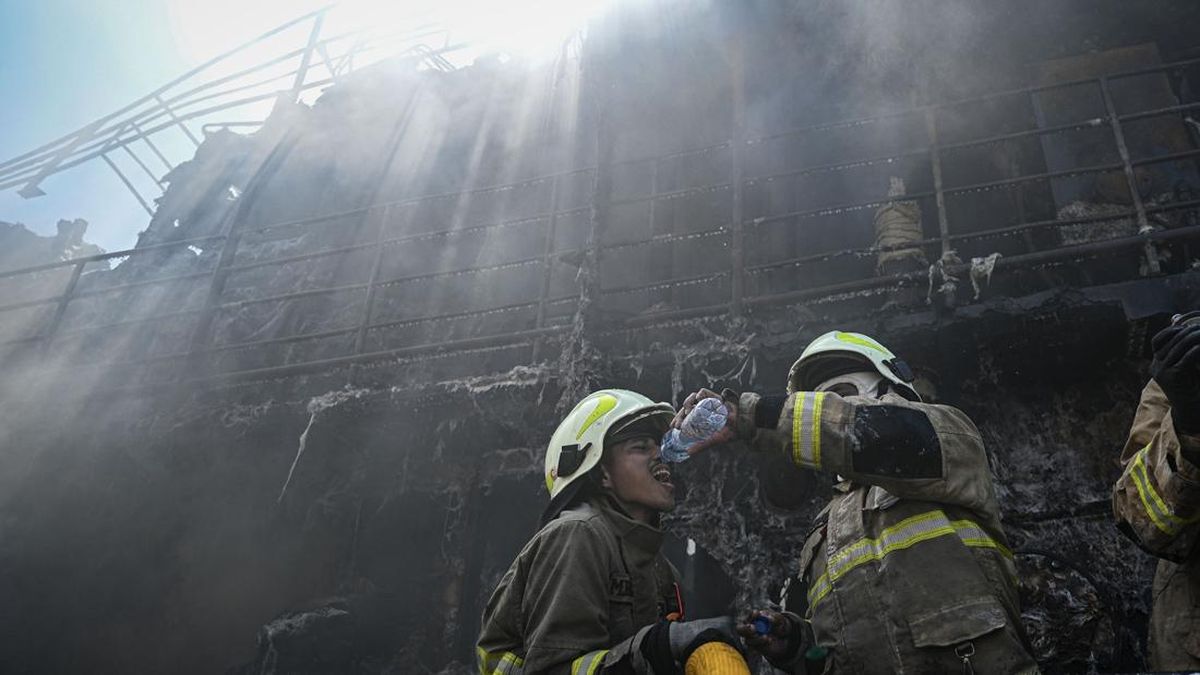
Upon receiving the emergency call, Gulkarmat units were dispatched to the scene. The deployment included numerous fire engines and specialized marine firefighting equipment, as battling ship fires presents unique challenges compared to land-based incidents. Firefighters faced several obstacles, including the risk of explosions from fuel tanks, the presence of various hazardous materials, and the structural instability of burning vessels. Furthermore, access to the ships from the pier side can be restricted, requiring strategic positioning of fire hoses and, potentially, the deployment of fireboats. The intense heat and thick smoke also posed significant risks to the safety of the responding personnel. The Gulkarmat teams worked tirelessly for several hours, focusing not only on extinguishing the active flames but also on cooling the surrounding area and preventing the fire from spreading to other moored vessels or the pier infrastructure itself. Their efforts were crucial in containing what could have been an even more widespread disaster, given the high density of ships and activity at Muara Angke. After a prolonged battle, the fire was eventually brought under control, leaving behind three severely damaged and smoldering hulls.
The Nexus of Commerce and Hazard: Muara Angke’s Context
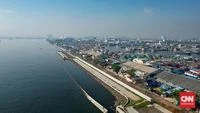
Muara Angke Pier is far more than just a docking facility; it is a critical artery for North Jakarta’s maritime economy and a lifeline for thousands of individuals. Its strategic location serves as a primary hub for traditional fishing fleets and smaller cargo vessels engaged in inter-island trade across the Jakarta Bay and the wider Indonesian archipelago. The pier teems with activity daily, from the unloading of fresh catches to the loading of supplies for remote islands, and the constant coming and going of boats necessitates ongoing maintenance and repair work.
Economic Lifeline
For generations, Muara Angke has been synonymous with the fishing industry in Jakarta. Hundreds of fishing vessels, ranging from small wooden boats to larger trawlers, call this port home. The pier supports a vast ecosystem of related businesses, including fish processing plants, ice factories, equipment suppliers, and repair workshops. Thousands of people, from fishermen and crew members to market vendors and dockworkers, depend on the continuous operation of Muara Angke for their livelihoods. Any disruption, such as a major fire, therefore, has immediate and far-reaching economic consequences for the local community, potentially impacting food supply chains and increasing unemployment among those reliant on the affected vessels. The loss of three ships, even if relatively small in the grand scheme of the port’s fleet, represents a significant blow to the individual owners and their crews, who often invest their life savings into these working assets.
Inherent Risks of Port Operations
While vital, the environment of a busy port like Muara Angke inherently carries various risks. Many of the vessels operating here are older, some decades-old, and may not always adhere to the most stringent modern safety standards. Repair and maintenance activities, particularly "hot work" such as welding, grinding, and electrical repairs, are common and can be hazardous if not executed with extreme caution and proper oversight. The storage of flammable materials like fuel, lubricants, paints, and gas cylinders, along with the dense packing of vessels, amplifies the risk of fire and rapid spread. Furthermore, informal repair operations, which might bypass official safety inspections or utilize uncertified personnel, can inadvertently contribute to heightened risks. These factors underscore the constant vigilance required from port authorities, vessel owners, and workers to maintain a safe operational environment. The incident at Muara Angke serves as a stark reminder of these ever-present dangers and the critical importance of robust safety protocols.
Probing the Cause: Law Enforcement and Fire Service Investigations
Following the successful containment of the fire, attention immediately shifted to understanding its origin and ensuring accountability. Both the Sunda Kelapa Port Police and the North Jakarta and Thousand Islands Fire and Rescue Service launched separate, yet coordinated, investigations into the incident. Their respective mandates guide their investigative approaches, with the police focusing on potential criminal elements and the fire service on the technical aspects of fire origin and spread.
Police Focus on Criminality
AKP Ery Suroto, the Head of the Criminal Investigation Unit (Kanit Reskrim) of the Sunda Kelapa Port Police, confirmed that a full investigation is underway. The primary objective of the police probe is to ascertain whether any criminal act or negligence contributed to the fire. This could include violations of safety regulations, improper handling of hazardous materials, or other forms of recklessness that directly led to the disaster. As part of their initial steps, the police have already begun interviewing several witnesses present at or near the scene during the incident. These testimonies are crucial for constructing a timeline of events leading up to the fire and for identifying any suspicious activities or potential lapses in safety procedures. The police will meticulously review all available evidence, including witness statements, security camera footage (if available), and eventually, the findings from the crime scene investigation, to determine if charges are warranted. "We are still in the process of investigation," AKP Ery Suroto stated, emphasizing the methodical approach required for such complex cases.
Fire Department’s Preliminary Findings: Electrical Short Circuit
In parallel with the police investigation, the North Jakarta and Thousand Islands Fire and Rescue Service (Gulkarmat) conducted its own preliminary assessment of the fire’s origin. Kasiops Gulkarmat Gatot Sulaeman indicated that early information gathered from witnesses strongly suggested an electrical short circuit as the probable trigger. This short circuit is believed to have occurred specifically "during the ship repair process," or docking. Electrical short circuits are a common cause of fires, particularly in older vessels or during repair work where electrical systems might be exposed, modified, or improperly handled. Overloaded circuits, frayed wiring, faulty connections, or the use of non-standard electrical equipment during maintenance can all lead to overheating and subsequent ignition. The combination of exposed electrical components and highly flammable materials onboard a ship creates a dangerous environment where even a minor spark can quickly escalate into a major fire.
Challenges of Post-Fire Scene Investigation
Both investigative bodies face significant challenges in conducting their work. AKP Ery Suroto explicitly stated, "For now, we cannot process the crime scene because it is still hot after the fire." The intense heat generated by the prolonged blaze can persist for hours, or even days, within the confines of a ship’s hull. Entering a still-hot vessel poses severe risks to investigators due to potential reignition, structural collapse, and exposure to toxic fumes. Therefore, a mandatory cooling period is essential for safety. Once the vessels are deemed safe to enter, forensic investigators will conduct a meticulous examination of the wreckage. This will involve sifting through debris, identifying the point of origin, collecting physical evidence, and analyzing burn patterns to corroborate witness accounts and the preliminary findings of an electrical fault. The damage is likely extensive, making the identification of specific components challenging, but trained arson investigators are equipped to piece together the narrative from the remaining clues.
Statements and Official Reactions
The incident at Muara Angke Pier has elicited responses from various official channels, each underscoring different facets of the ongoing situation and the broader implications for maritime safety and regulation.
Law Enforcement’s Stance
The statements from AKP Ery Suroto highlight the police’s commitment to a thorough and impartial investigation. By emphasizing the wait for safe conditions before a crime scene investigation, authorities convey a dedication to both safety and forensic integrity. The focus on identifying "indikasi tindak pidana" (indications of a criminal act) signals that the police are prepared to pursue legal action if negligence or deliberate wrongdoing is uncovered. This proactive stance aims to ensure accountability and potentially serve as a deterrent against future safety lapses. The police are not merely treating this as an accident but as an incident with potentially actionable legal consequences, which is crucial for upholding maritime safety standards.
Fire Safety Experts Weigh In
Gatot Sulaeman’s preliminary assessment of an electrical short circuit during repairs aligns with common knowledge among fire safety experts regarding marine fires. Experts often point to the inherent risks associated with older electrical systems, the frequent use of temporary wiring during maintenance, and the potential for sparks from welding or grinding operations to ignite flammable materials. This incident serves as a practical case study reinforcing the need for strict adherence to "hot work" permits, regular inspection of electrical systems, and adequate fire watch during any repair activities on board vessels. The fire department’s role extends beyond extinguishing fires; it also involves public education and advocating for better fire prevention measures in high-risk environments like busy ports.
The Role of Maritime Authorities
While not directly quoted in the original article, it is standard practice for the local Port Authority (Kesyahbandaran) and potentially the Ministry of Transportation (Kementerian Perhubungan) to become involved in such incidents. Their role would encompass:
- Safety Compliance Investigation: Examining whether the affected vessels complied with all required maritime safety regulations, including those pertaining to electrical systems, fire suppression equipment, and repair procedures.
- Permit Review: Verifying if the docking and repair work had the necessary permits and if safety protocols outlined in those permits were followed.
- Pier Integrity Assessment: Inspecting the pier infrastructure for any structural damage caused by the fire and ensuring its safety for future operations.
- Environmental Monitoring: Assessing any potential environmental impact, such as fuel spills or release of hazardous materials into Jakarta Bay, and coordinating cleanup efforts if necessary.
These agencies play a crucial role in the broader regulatory framework, ensuring that lessons learned from such incidents lead to improved safety standards and enforcement.
Beyond the Flames: Broader Implications and Future Outlook
The fire at Muara Angke Pier, while a localized incident, carries broader implications for the maritime sector in Jakarta and potentially across Indonesia. It underscores persistent challenges related to safety, regulation, and the economic well-being of coastal communities.
Economic and Livelihood Losses
The immediate and most tangible impact of the fire is the significant economic loss. Three vessels, representing substantial investments for their owners, are now likely total write-offs. For the fishermen and crew members associated with these boats, the incident translates directly into a loss of livelihood. Many operate on a share system, and the destruction of their working asset means an abrupt cessation of income, creating financial hardship for their families. The ripple effect can extend to suppliers, mechanics, and other ancillary services that depend on these vessels. While insurance may cover some losses, the process is often lengthy, and the compensation may not fully cover the actual value or the lost income during the period of recovery.
Environmental Concerns
Marine fires inherently pose environmental risks. The burning of vessels can release pollutants into the air and water. Fuel, lubricants, paints, and other chemicals onboard can leak into Jakarta Bay, potentially harming marine life and contaminating coastal areas. Authorities, likely in conjunction with environmental agencies, would need to monitor the waters around the pier for any signs of pollution and initiate containment and cleanup operations if spills occur. The long-term ecological impact, while often less immediately visible than the flames, is a critical consideration in such incidents.
Reinforcing Maritime Safety Protocols
This incident serves as a stark reminder of the critical importance of rigorous maritime safety protocols, especially during repair and maintenance operations. The suspected cause—an electrical short circuit during repairs—points to specific areas where vigilance must be heightened. This includes:
- Regular Inspections: Implementing more frequent and thorough inspections of vessel electrical systems, particularly for older ships.
- Certified Technicians: Ensuring that all electrical work and hot work (welding, grinding) are performed by certified and experienced technicians.
- Permit-to-Work Systems: Strictly enforcing "permit-to-work" systems for high-risk activities like hot work, which require comprehensive risk assessments and the presence of fire watches.
- Fire Suppression Systems: Mandating and verifying the functionality of onboard fire detection and suppression systems.
- Crew Training: Enhancing fire safety training for all crew members, focusing on prevention, early detection, and emergency response procedures.
Legal and Regulatory Oversight
Depending on the findings of the police investigation, there could be legal ramifications for individuals or companies found negligent. This might involve fines, revocation of licenses, or even criminal charges. Such legal actions, while punitive, also serve to reinforce the seriousness with which maritime safety regulations are viewed. Furthermore, the incident might prompt a review of existing regulations by the Ministry of Transportation and the Port Authority to identify any gaps or areas needing strengthening, particularly concerning ship repair practices in busy port environments.
Lessons for Port Management
For the management of Muara Angke Pier and similar facilities, this event offers valuable lessons. It highlights the need for:
- Improved Firefighting Infrastructure: Ensuring adequate access for emergency vehicles and readily available firefighting equipment along the pier.
- Space Management: Reviewing policies on vessel density and spacing during docking to prevent rapid fire spread.
- Communication Protocols: Strengthening communication channels between port authorities, vessel operators, and emergency services.
- Safety Audits: Conducting regular safety audits of all operations within the pier area, including repair workshops.
The fire at Muara Angke Pier is a somber reminder of the inherent risks in maritime operations. While the immediate focus remains on extinguishing any lingering hotspots, investigating the cause, and assessing the damage, the broader imperative is to draw crucial lessons from this incident to enhance safety, protect livelihoods, and safeguard the marine environment for the future. The diligent efforts of law enforcement and fire services in their ongoing investigation will be critical in shaping these future preventative measures and ensuring accountability.