UNM Luncurkan Aplikasi Satu Klik Gizi, Inovasi Digital untuk Cegah Wasting Balita di Posyandu

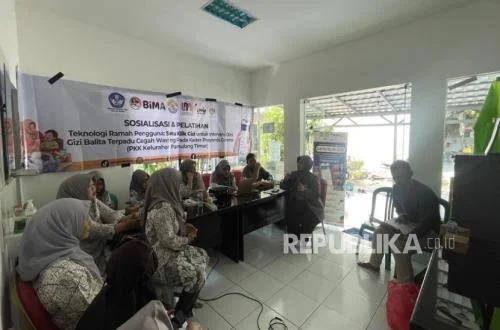
Universitas Nusa Mandiri (UNM), recognized as a leading Digital Business Campus in Indonesia, has reaffirmed its commitment to social responsibility and technological advancement by launching a specialized digital health initiative in South Tangerang. Through the Community Service Grant Program funded by the Directorate of Research, Technology, and Community Service (DPPM Kemdiktisaintek) for the 2026 Fiscal Year, a multidisciplinary team of lecturers and students from UNM successfully conducted a comprehensive socialization and training session for the "Satu Klik Gizi" (One-Click Nutrition) application. The event took place on Thursday, July 16, 2026, at Posyandu Gurame, located in the RW 011 neighborhood of the Pamulang Timur Village, South Tangerang City. This initiative represents a strategic move toward the digitalization of grassroots healthcare services, specifically targeting the early detection and management of wasting—a critical form of malnutrition—among toddlers in the region.
The program was designed to address the persistent challenges faced by community health centers (Posyandu) in maintaining accurate, real-time data regarding child development. By introducing the Satu Klik Gizi application, UNM aims to bridge the gap between complex nutritional science and practical, community-led health monitoring. The initiative is a cornerstone of the Information Systems Department’s effort to develop digital innovations that support data-driven public health services. To ensure the technical robustness and user-centric design of the platform, the Information Systems Department collaborated closely with the Informatics Department, merging expertise in system architecture, software engineering, and information technology.
Advancing Community Health through Digital Transformation
In the contemporary era of public health, digital transformation is no longer a luxury but a necessity. The implementation of the Satu Klik Gizi application at Posyandu Gurame serves as a pilot for how technology can simplify the demanding tasks of Posyandu cadres—volunteers who form the frontline of Indonesia’s healthcare system. Historically, these volunteers have relied on manual paper-based systems, such as the Kartu Menuju Sehat (KMS) booklets, to track the growth of children. While these manual records have been the standard for decades, they are often prone to human error, physical damage, and significant delays in data aggregation.
The transition to a digital platform allows for the instantaneous calculation of nutritional status based on anthropometric measurements. When a child’s weight and height are entered into the Satu Klik Gizi app, the system automatically compares the data against the World Health Organization (WHO) and Ministry of Health growth standards. This automation eliminates the need for manual graphing and reduces the risk of misdiagnosis. By providing an immediate "status" for each child, the app empowers cadres to provide instant advice to parents or escalate cases to local health clinics (Puskesmas) if a child shows signs of wasting or other nutritional deficiencies.
Addressing the National Challenge of Childhood Wasting
While much of the national discourse in Indonesia has focused on stunting (low height-for-age), "wasting" (low weight-for-height) remains a critical health emergency that requires immediate intervention. Wasting is an indicator of acute malnutrition, often caused by recent and severe weight loss or a failure to gain weight due to illness or lack of food. Children suffering from wasting have weakened immunity and are at a significantly higher risk of mortality compared to well-nourished children.
Data from the Indonesia Health Survey (SSGI) over the past several years indicates that while stunting rates have seen a gradual decline, wasting rates have remained fluctuate, often hovering between 7% and 10% nationally. In urban and peri-urban areas like South Tangerang, the disparity in nutritional access can lead to pockets of high-risk populations. The Satu Klik Gizi application is specifically calibrated to flag these "at-risk" children through its early detection features. By identifying wasting early, health workers can implement nutritional interventions before the condition leads to irreversible developmental damage or chronic stunting.
The Genesis and Functionality of Satu Klik Gizi
The development of Satu Klik Gizi was led by Dr. Sukmawati Anggraeni Putri, a prominent lecturer from the Information Systems Department at UNM. Serving as the Chairperson of the Community Service Grant Program, Dr. Sukmawati emphasized that the application was built with the specific needs of the Pamulang Timur community in mind. The project involved a rigorous development phase where software engineers worked alongside nutritionists to ensure that the logic behind the app’s algorithms was scientifically sound.
Technically, the application utilizes a streamlined User Interface (UI) designed for users with varying levels of digital literacy. Key features include:
- Digital Registration: A secure database to store the profiles of toddlers and their families, ensuring continuity of care.
- Automated Anthropometry: Tools to record weight, height, and head circumference with built-in validation to prevent data entry errors.
- Instant Nutritional Assessment: Real-time analysis of Z-scores to determine if a child is "Wasted," "Severely Wasted," or "Normal."
- Data Visualization: Simple charts that allow cadres to show parents their child’s growth trend over several months.
- Report Generation: The ability to export data for official reports to the Kelurahan (village) and Puskesmas levels, significantly reducing administrative burdens.
Chronology of the Socialization and Training Program
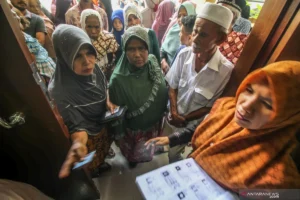
The training session on July 16, 2026, was structured as an intensive, hands-on workshop. The day began with a theoretical briefing on the importance of the "First 1,000 Days of Life" and the specific dangers of wasting. Dr. Sukmawati was supported by two fellow lecturers from the Informatics Department, Duwi Cahya Putri Buani and Syaifur Rahmatulloh, who managed the technical troubleshooting and software demonstrations.
Two students from the Information Systems program, Dimas Ikhsan Ali and Rifqy Tsanaya, played a pivotal role in the field implementation. They acted as facilitators, providing one-on-one guidance to the PKK (Family Welfare Movement) and Posyandu cadres as they navigated the app for the first time. The training involved a series of simulations where cadres practiced measuring actual anthropometric data using scales and stadiometers, then immediately inputting that data into the Satu Klik Gizi application.
The afternoon session focused on data interpretation. Cadres were taught how to read the app’s alerts and how to communicate the results to parents in a supportive and informative manner. This holistic approach ensured that the technology was not just seen as a tool for data collection, but as a medium for better health communication between volunteers and the community.
Interdisciplinary Collaboration and the Tri Dharma Mandate
The success of this program highlights the importance of the "Tri Dharma Perguruan Tinggi" (the Three Pillars of Higher Education), which include Education, Research, and Community Service. By utilizing a grant from the Ministry (Kemdiktisaintek), UNM demonstrated how academic research can be translated into practical solutions for society.
Dr. Sukmawati Anggraeni Putri noted that the interdisciplinary synergy between the Information Systems and Informatics departments was the catalyst for the project’s success. "Innovation in the digital age cannot happen in a vacuum. It requires the integration of system management and technical engineering. Our goal was to create a platform that is technologically robust but remains simple enough for a grandmother volunteering at a Posyandu to use without hesitation," she stated in an official release on Saturday, July 18, 2026. This collaboration ensures that the software is not only functional but also scalable and maintainable for long-term use.
Enhancing Digital Literacy Among Frontline Health Workers
One of the most significant outcomes of the training was the measurable increase in digital literacy among the participants. Many of the Posyandu cadres in Pamulang Timur initially expressed apprehension about moving away from traditional paper records. However, the intuitive design of Satu Klik Gizi quickly dispelled these fears.
Evaluation metrics collected by the UNM team after the workshop showed a 90% proficiency rate among participants in basic app navigation and data entry. The cadres demonstrated high enthusiasm, actively engaging in discussions about how the app could be integrated into their monthly routines. By mastering this digital tool, these volunteers are no longer just health workers; they have become "digital health ambassadors" within their neighborhoods. This shift is expected to increase the accuracy and speed of health reporting in South Tangerang, allowing for faster government responses to nutritional crises.
Strategic Impact on South Tangerang’s Public Health Infrastructure
The implementation of Satu Klik Gizi aligns with South Tangerang’s broader "Smart City" initiatives. By digitalizing health data at the RW (neighborhood) level, the city can build a more granular and accurate map of public health. For local government officials in Pamulang Timur, this means access to high-quality data that can inform budget allocations for nutritional supplements, clean water initiatives, and health education programs.
The efficiency gained through digital recording is substantial. Previously, aggregating data from multiple Posyandu locations could take weeks. With Satu Klik Gizi, the data is synchronized to a central cloud server, potentially allowing health officials to see real-time trends. This "Big Data" approach to public health is essential for achieving the United Nations Sustainable Development Goals (SDGs), particularly Goal 2 (Zero Hunger) and Goal 3 (Good Health and Well-being).
Future Outlook: Scaling Innovation for Sustainable Development
As the program concludes its initial phase at Posyandu Gurame, Universitas Nusa Mandiri is already looking toward the future. The feedback gathered from the cadres and the results of the 2026 grant program will be used to refine the application for a wider rollout. There is significant potential for Satu Klik Gizi to be adopted by other Posyandu across South Tangerang and eventually on a national scale.
The role of UNM as a "Digital Business Campus" continues to evolve, proving that business and technology education must be rooted in social impact. By fostering an environment where students like Dimas Ikhsan Ali and Rifqy Tsanaya can apply their classroom knowledge to real-world health problems, UNM is preparing the next generation of leaders to think critically about technology’s role in society.
In the words of Dr. Sukmawati, the vision for Satu Klik Gizi is one of sustainability. "We don’t want this to be a one-time event. We want this digital ecosystem to become the standard for Posyandu services, ensuring that every child in Indonesia has the chance to grow up healthy and well-nourished, supported by the best technology we can provide." The synergy between academia, government funding, and community participation remains the most effective formula for driving meaningful change in the nation’s public health landscape.