
The consumption of leafy green vegetables such as lettuce, spinach, mustard greens, broccoli, and kale has long been advocated by nutritionists and health organizations worldwide due to their high concentrations of essential vitamins, minerals, and dietary fiber. However, despite their undeniable health benefits, these nutrient-dense foods are frequently identified as primary vectors for foodborne illnesses. Public health experts warn that simply rinsing these vegetables under a tap is often insufficient to remove the complex array of pathogens that can cling to their surfaces. Understanding the mechanics of contamination and the rigorous protocols required for cleaning is essential for any consumer looking to balance a healthy diet with food safety.
According to data provided by the Centers for Disease Control and Prevention (CDC), leafy greens are among the most common sources of foodborne illness outbreaks. The vulnerability of these vegetables stems largely from their growth environment. Experts from the University of Georgia and Penn State University note that because these crops grow in close proximity to the ground, they are naturally exposed to various sources of contamination, including soil, irrigation water, and animal waste. Francisco Diez-Gonzalez, Director of the Center for Food Safety and a professor of food science at the University of Georgia, explains that leafy greens are particularly risky because they are often consumed raw. Unlike meats or root vegetables that are typically boiled, roasted, or fried, the "kill step"—a cooking process that eliminates microorganisms—is frequently absent in the preparation of salads and garnishes.
The Landscape of Contamination and Public Health Impact
The scale of the issue is reflected in global health statistics. In the United States alone, it is estimated that nearly half of all foodborne illnesses are linked to fresh produce, with leafy greens accounting for a significant portion of those cases. Common pathogens associated with these vegetables include Escherichia coli (E. coli), Salmonella, and Listeria monocytogenes. These bacteria can be introduced at various points in the supply chain, from the farm to the processing plant, and eventually to the consumer’s kitchen.
Historically, the industry has faced massive recalls following outbreaks. For instance, several high-profile E. coli outbreaks linked to Romaine lettuce in recent years have led to nationwide warnings and a total halt in sales. These incidents highlight the difficulty of ensuring safety in a product that is grown in open fields. Pathogens can be carried by wind, runoff from nearby livestock operations, or contaminated water systems. Once these bacteria land on the textured surfaces of a leaf—which contains microscopic nooks and crannies—they can form biofilms that make them incredibly resilient to simple water rinsing.
Why Rinsing Alone Is Inadequate
Many consumers believe that a quick pass under cold water is enough to "clean" their vegetables. However, food safety researchers argue that this approach only removes loose dirt and debris, leaving behind the majority of microscopic threats. The structure of leafy greens, particularly those with ruffled edges like kale or tightly packed layers like cabbage and lettuce, provides ample hiding spots for bacteria.
Francisco Diez-Gonzalez notes that a thorough washing process can reduce the microbial load on the surface of leaves by approximately 90 percent. While this does not guarantee a 100 percent sterile product, it significantly lowers the infectious dose to a level that the human immune system is better equipped to handle. The goal of domestic washing is risk mitigation rather than total sterilization, which is nearly impossible for fresh produce without compromising its cellular structure.
Comprehensive Protocols for Washing Green Vegetables
To maximize safety, experts recommend a multi-step approach to cleaning leafy greens. This process should begin before the vegetables even touch the water.
1. Pre-Wash Preparation
The first step in any food safety protocol is personal hygiene. Hands should be washed with soap and warm water for at least 20 seconds. Furthermore, the sink and all cutting boards or utensils that will come into contact with the produce must be sanitized. Cross-contamination from raw meat or poultry is a leading cause of illness in home kitchens.
2. Removal of Outer Layers
For vegetables like lettuce or cabbage, the outermost leaves should be discarded. These leaves are the most exposed to the environment, handling during transport, and potential contaminants in the grocery store. Removing them provides an immediate reduction in the overall bacterial count.
3. Submerging and Agitating
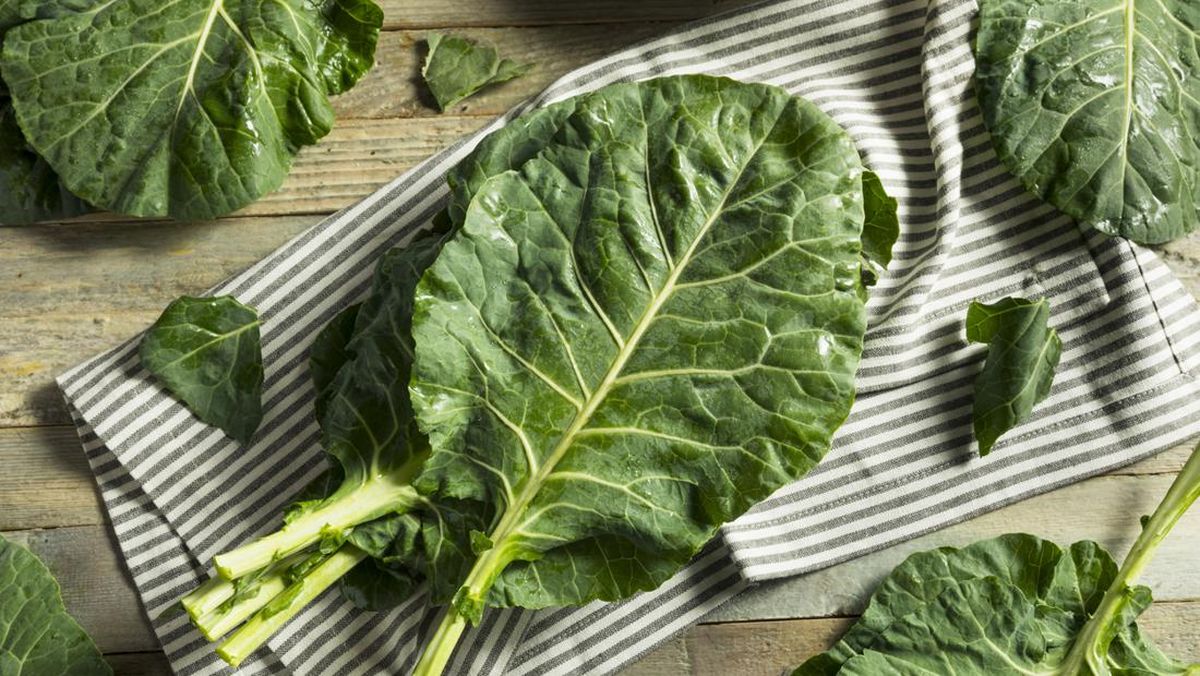
Instead of just holding a leaf under a faucet, it is more effective to submerge the vegetables in a clean bowl of cold water. Gently agitating the leaves helps to mechanically dislodge dirt and microorganisms. For hardy greens like spinach or mustard greens, this process may need to be repeated two or three times until the water at the bottom of the bowl remains clear and free of sediment.
4. The Importance of Drying
One of the most overlooked steps in the cleaning process is drying. Diez-Gonzalez emphasizes that using a clean paper towel or a salad spinner to dry the leaves is crucial. The mechanical action of wiping or spinning helps remove additional bacteria that may still be clinging to the moisture on the leaf’s surface. Furthermore, bacteria thrive in moist environments; drying the leaves prevents any remaining microbes from multiplying if the vegetables are stored for a few hours before consumption.
The Role of Blanching for Hardy Vegetables
For certain types of greens, washing with water may be supplemented by a technique known as blanching. This method is particularly recommended for "sturdier" vegetables such as kale, broccoli, and collard greens. Blanching involves submerging the vegetable in boiling water for a very short period—typically 30 seconds to two minutes—followed immediately by an "ice bath" to stop the cooking process.
Martin Bucknavage, a food safety expert from Penn State University, points out that blanching serves a dual purpose. From a culinary perspective, it helps preserve the vibrant green color and prevents the texture from becoming unpleasantly tough or soggy when frozen. From a safety perspective, the brief exposure to high heat acts as a sanitizing agent, effectively killing the vast majority of surface-level pathogens. However, this method is not suitable for delicate greens like arugula or butter lettuce, as the heat would destroy their crisp texture and flavor profile.
The Danger of Chemical Washes and Household Cleaners
A common misconception among health-conscious consumers is that using soap, bleach, or specialized "produce washes" will make vegetables safer. Experts strongly advise against this practice. The Food and Drug Administration (FDA) has consistently warned that fruits and vegetables are porous. Using dish soap or bleach can result in the produce absorbing chemical residues that are not intended for human consumption. Ingesting these residues can lead to gastrointestinal distress or long-term health complications.
Furthermore, the effectiveness of commercial produce washes is often debated. Many studies suggest that cold, potable water is just as effective as expensive chemical rinses at removing bacteria. The focus should remain on the mechanical action of washing and the quality of the water used rather than the addition of soaps.
Post-Wash Handling and Storage
Once the vegetables are cleaned and dried, the risk does not end. Proper storage is essential to maintain safety. Cleaned greens should be stored in the refrigerator at temperatures below 40°F (4°C). If the greens were purchased in "pre-washed" or "triple-washed" packaging, the CDC suggests they do not need to be washed again, as the industrial washing process is often more rigorous than what can be achieved at home. In fact, re-washing pre-washed greens at home can sometimes increase the risk of contamination if the kitchen sink or counters are not perfectly sterile.
However, for loose produce or "farm-to-table" greens, the consumer assumes full responsibility for the cleaning process. If the greens are not to be consumed immediately, they should be wrapped in a clean paper towel and placed in a sealed container or a breathable plastic bag to maintain the ideal moisture balance without allowing bacterial regrowth.
Broad Implications for Public Health and Agriculture
The challenge of keeping leafy greens safe is a shared responsibility between the agricultural industry, regulatory bodies, and consumers. As the global population moves toward plant-based diets for environmental and health reasons, the pressure on the agricultural sector to implement Good Agricultural Practices (GAP) increases. This includes stricter monitoring of water quality, wildlife exclusion zones around fields, and better hygiene facilities for farmworkers.
For the consumer, the takeaway is one of vigilance. While it is impossible to eliminate every risk associated with fresh produce, following scientific guidelines for washing and preparation can drastically reduce the likelihood of illness. As Francisco Diez-Gonzalez and Martin Bucknavage suggest, the combination of thorough rinsing, mechanical drying, and—where appropriate—blanching, remains the best defense against the invisible threats hiding in our salads. By treating the cleaning of green vegetables with the same seriousness as the cooking of raw meat, households can enjoy the nutritional bounty of the earth without the looming shadow of foodborne disease.
Related posts: