
Walt Disney World Resort in Orlando, Florida, stands as a monumental achievement in the global tourism industry, spanning approximately 43 square miles—an area roughly the size of San Francisco. As the resort enters a new era of technological integration and expanded attractions, the complexity of navigating its four primary theme parks, two water parks, and dozens of resort hotels has reached an all-time high. For first-time visitors, the sheer scale of the "Most Magical Place on Earth" can be overwhelming, turning what should be a dream vacation into a logistical challenge. Industry experts and veteran travelers emphasize that a successful Disney World excursion in 2026 is no longer about spontaneous exploration; it is about meticulous preparation, digital literacy, and strategic prioritization.
The Evolution of the Disney Experience
The landscape of Disney World has shifted significantly over the last decade. The transition from the traditional paper FastPass system to the digital Disney Genie+ and subsequently to the current Lightning Lane Multi Pass and Single Pass systems represents a broader trend in the theme park industry toward "pay-to-play" efficiency. With Magic Kingdom, EPCOT, Disney’s Hollywood Studios, and Disney’s Animal Kingdom each offering distinct experiences—from the nostalgic charm of Main Street, U.S.A. to the immersive technological marvels of Star Wars: Galaxy’s Edge—the demand for these attractions often exceeds daily capacity. This supply-demand imbalance necessitates a clear strategy for any newcomer hoping to maximize their investment.
1. Strategic Prioritization and the "Must-Do" List
The first and perhaps most critical tip for Disney novices is to accept the impossibility of seeing everything in a single trip. Disney World is designed to be a multi-day, if not multi-week, experience. Attempting to "do it all" often leads to "Disney burnout," a state of physical and emotional exhaustion that can ruin the vacation for families, especially those with young children.
Before departing, visitors should consult the official My Disney Experience app to review current attractions and showtimes. Experts suggest identifying three "must-do" attractions per park. For instance, at Magic Kingdom, a visitor might prioritize TRON Lightcycle / Run and Tiana’s Bayou Adventure, while at EPCOT, the focus might be on Guardians of the Galaxy: Cosmic Rewind. By centering the day around these anchors, any additional rides or character meet-and-greets become a "bonus," reducing the pressure to rush from one end of the park to the other.
2. Leveraging the On-Site Advantage
While the Orlando area offers a plethora of off-site hotel options, staying at a Disney-owned and operated resort provides logistical advantages that can save hours of time. Disney Resort hotel guests are granted "Early Theme Park Entry," allowing them to enter any of the four theme parks 30 minutes before the general public. In the world of theme park strategy, these 30 minutes are gold, often allowing guests to ride one or two headliner attractions with minimal wait times.
Furthermore, the transportation network within the resort is a critical component of the experience. Depending on the resort category—Value, Moderate, or Deluxe—guests may have access to the Disney Skyliner, the iconic Monorail, water taxis, or the extensive bus fleet. Staying on-site eliminates the need for rental cars and the $30-per-day parking fees, while also providing a "bubble" of immersion that many travelers find essential to the Disney experience.
3. Mastering the Lightning Lane and Virtual Queue Systems
The days of standing in a four-hour line for a single ride are largely avoidable for those who understand the digital queue systems. As of 2026, Disney utilizes a combination of Virtual Queues and Lightning Lanes. Virtual Queues are typically used for the newest and most popular attractions, such as Guardians of the Galaxy: Cosmic Rewind. These require guests to join a "boarding group" via the app at specific times, usually 7:00 AM and 1:00 PM.
The Lightning Lane Multi Pass is a pre-purchased service that allows guests to choose arrival windows for various attractions, effectively bypassing the standby line. For first-timers, the learning curve for this app-based system can be steep. It is recommended to watch tutorial videos and familiarize oneself with the interface days before the trip begins. Failure to engage with these systems often results in spending the majority of the day in stationary lines, which can reach 120 minutes or more for popular rides during peak seasons.
4. The "Rope Drop" Strategy and Daily Chronology
In theme park parlance, "Rope Drop" refers to being at the park gates before they officially open. Arriving 45 to 60 minutes early allows visitors to be among the first in the park, a tactic that is most effective for knocking out high-demand rides without using a Lightning Lane pass.
The chronology of a Disney day typically follows a predictable pattern: low crowds in the early morning, peak crowds and heat from 11:00 AM to 4:00 PM, and a slight tapering off in the evening. Savvy visitors often utilize the "mid-day break" strategy—arriving early, heading back to the hotel for a swim or a nap during the hottest and busiest part of the day, and returning to the parks in the evening for fireworks and nighttime attractions.
5. Environmental Resilience: Managing Florida’s Climate
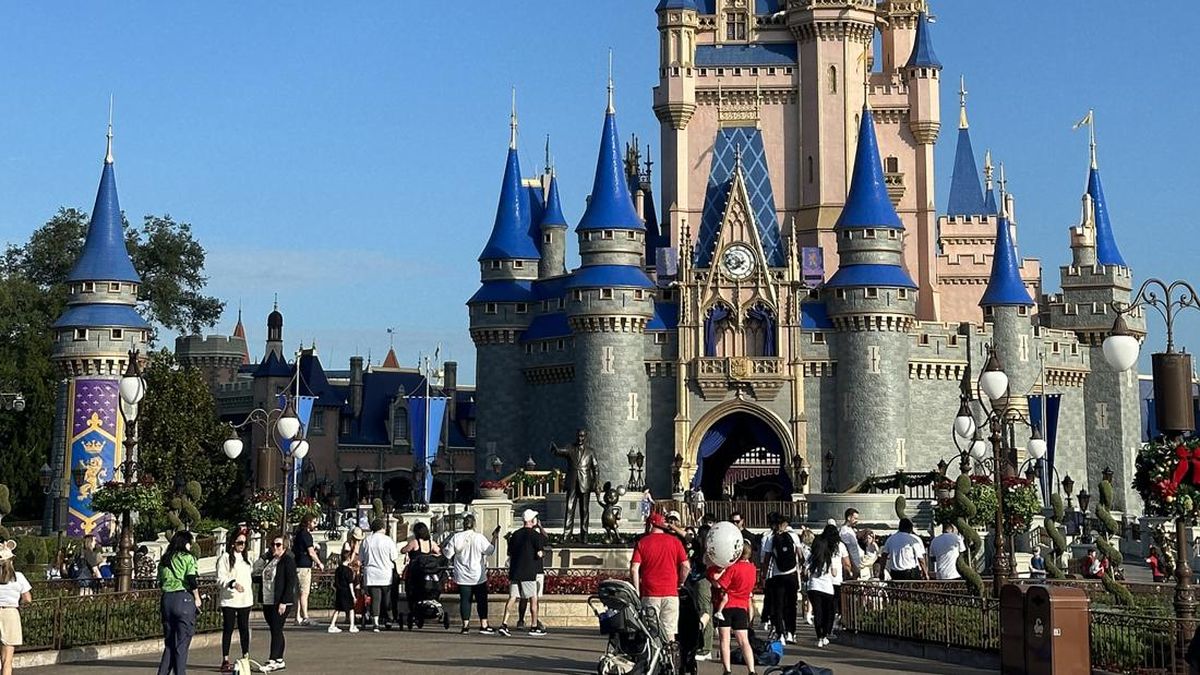
Florida’s weather is a factor that many international and out-of-state tourists underestimate. The region is characterized by high humidity and intense UV radiation, with afternoon thunderstorms being a near-daily occurrence from June through September.
Preparation involves more than just packing sunscreen. Visitors should bring moisture-wicking clothing, high-quality walking shoes (as it is common to walk 8 to 12 miles per day), and reusable water bottles. Disney provides free ice water at all quick-service dining locations, a fact that can save a family of four upwards of $50 a day compared to buying bottled water. Additionally, having a "rain plan"—which includes lightweight ponchos and identifying indoor attractions or shows—ensures that a sudden downpour does not end the day’s activities.
6. Digital Dining and Mobile Ordering
Food at Disney World has evolved from standard theme park fare into a diverse culinary landscape, but the crowds at meal times can be daunting. To mitigate this, Disney has integrated "Mobile Food & Beverage Ordering" into its app.
Instead of standing in a physical line to order a burger or a Dole Whip, guests can select a "window" for pickup, customize their order on their phone, and click "I’m here, prepare my order" when they arrive at the restaurant. This system is now the primary way to eat at quick-service locations. For table-service restaurants, reservations often open 60 days in advance and are highly sought after. For first-timers, booking at least one "Character Dining" experience or a highly-rated spot like Le Cellier in EPCOT can provide a much-needed seated break in an air-conditioned environment.
7. Fiscal Discipline and Souvenir Budgeting
A Disney World vacation is a significant financial undertaking. In 2026, the average cost for a family of four for a five-day trip, including tickets, lodging, and food, frequently exceeds $6,000. Souvenirs are a major contributor to "budget creep," as gift shops are strategically placed at the exits of almost every major attraction.
To manage costs, many veteran travelers suggest buying Disney-themed apparel or toys at retail stores before the trip. For children, setting a "daily allowance" or using gift cards can help them understand the limits of their spending. This prevents impulsive purchases of $35 bubble wands or $45 plush toys that can quickly inflate the total cost of the trip.
8. Maintaining Psychological Flexibility
Perhaps the most important tip for a first-time visitor is to remain flexible. Despite the best-laid plans, rides will break down, weather will interfere, and children (and adults) will get tired. The "Disney magic" is often found in the unplanned moments—a spontaneous interaction with a character, a short wait for a ride that was previously packed, or simply sitting on a bench with a snack and people-watching.
The pressure to justify the high cost of the trip by "doing everything" is the primary cause of stress. By maintaining a flexible mindset, visitors can pivot when things go wrong rather than feeling like their vacation is ruined.
Broader Implications and Economic Context
The necessity of these tips highlights a shift in the global tourism industry. Disney World serves as a bellwether for "managed tourism," where technology is used to distribute crowds and maximize per-capita spending. While these systems provide a more streamlined experience for those who master them, they also create a barrier to entry for those who prefer traditional, unplanned travel.
Data from recent tourism reports suggest that Disney’s move toward digital integration has increased guest satisfaction for those who use the tools, but has also increased the "mental load" of planning. For the Florida economy, Disney World remains a cornerstone, supporting over 160,000 jobs and generating billions in tax revenue. As the resort continues to expand with rumors of a "fifth gate" or new themed lands based on Villains or Encanto, the importance of strategic planning will only grow.
In conclusion, a first-time trip to Disney World in 2026 is a rewarding but complex endeavor. By prioritizing key attractions, utilizing on-site benefits, mastering digital tools, and preparing for the physical demands of the Florida environment, visitors can ensure that their experience is defined by wonder rather than stress. The goal is to use the plan as a framework, allowing the freedom to enjoy the unique atmosphere that has made the resort a global icon for over half a century.
Related posts: