The Declining Appeal of Indonesia’s Low-Cost Green Cars: A Shifting Market and Consumer Priorities

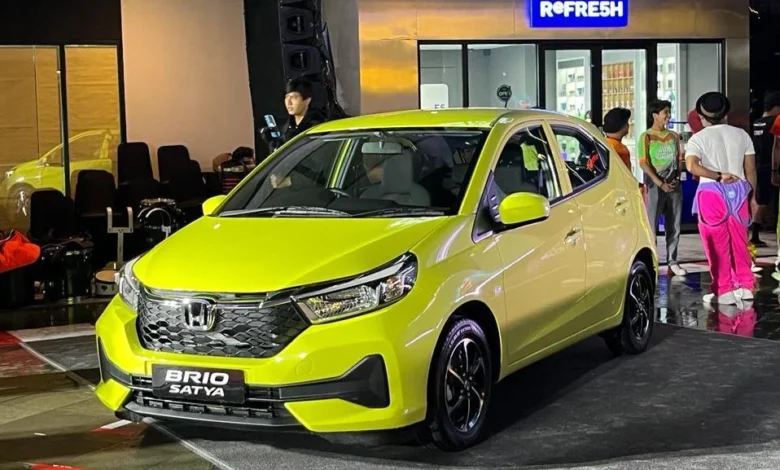
The Indonesian automotive market is grappling with a persistent decline in the sales of Low-Cost Green Cars (LCGCs), a segment once celebrated for its affordability and fuel efficiency. As prices of these vehicles creep closer to the Rp 200 million mark, significantly higher than their initial sub-Rp 150 million price tags, questions arise about their continued viability and whether manufacturers should explore even more budget-friendly segments. However, industry leaders suggest the solution lies not in further cost-cutting, but in addressing broader economic factors and enhancing consumer purchasing power.
The Evolving Landscape of LCGC Pricing
When the LCGC segment was first introduced to the Indonesian market, it represented a significant breakthrough for aspiring car owners. These vehicles were designed to be accessible, offering a gateway into car ownership for a wider demographic. The promise of low purchase prices, coupled with excellent fuel economy, made them an instant hit. For instance, early models could be acquired for less than Rp 150 million, a price point that democratized car ownership.
However, over the years, a steady inflation in pricing has eroded this core appeal. Current LCGC models are now positioned perilously close to the Rp 200 million threshold. This escalation in cost has led to a critical re-evaluation of the "low-cost" moniker. Consumers are increasingly questioning whether these vehicles still fit the definition of an affordable option, especially when compared to their initial market entry prices. This price creep is not merely a matter of inflation; it reflects evolving manufacturing costs, technological integration, and potentially, shifts in manufacturer strategies.
Industry Perspectives: Focusing on Affordability Through Increased Purchasing Power
The Indonesian automotive industry, represented by the Indonesian Automotive Manufacturers Association (Gaikindo), has voiced its stance on the potential creation of a new, even more affordable car segment below the current LCGC offerings. Kukuh Kumara, the Secretary General of Gaikindo, has firmly stated that the market does not require a segment that necessitates further compromises on safety features.
"We do not see that (creating a car segment lower than LCGC)," Kumara stated in an interview with detikOto at the Gaikindo office in Menteng, Jakarta. "If that happens, it would be like buying a cheap car, and then its features are reduced."
Kumara elaborated on Gaikindo’s philosophy, emphasizing that the goal is to make vehicles more accessible through increased consumer purchasing power, rather than by diluting vehicle specifications. "Our point is affordability, meaning better cars but with increased public purchasing power. Not then reducing the car so that people can buy it. Then it also has other effects. For example, safety factors decrease. That’s not allowed," he added.
This perspective suggests that the core issue is not the availability of cheap cars, but the capacity of consumers to afford better, safer vehicles. Gaikindo’s stance prioritizes the enhancement of vehicle quality and safety standards, advocating for an economic environment that empowers consumers to upgrade their expectations and their purchases, rather than settling for stripped-down models.
The Economic Undercurrent: Beyond Vehicle Price
Kukuh Kumara’s remarks indirectly highlight a fundamental challenge: the broader economic conditions impacting consumer spending. Regardless of how affordable a vehicle is priced, if the general economic climate remains stagnant or challenging, consumer ability to purchase new vehicles, even in the most budget-friendly segments, will remain constrained. The focus, therefore, shifts from solely manipulating vehicle prices to fostering economic growth that translates into increased disposable income for Indonesian households.
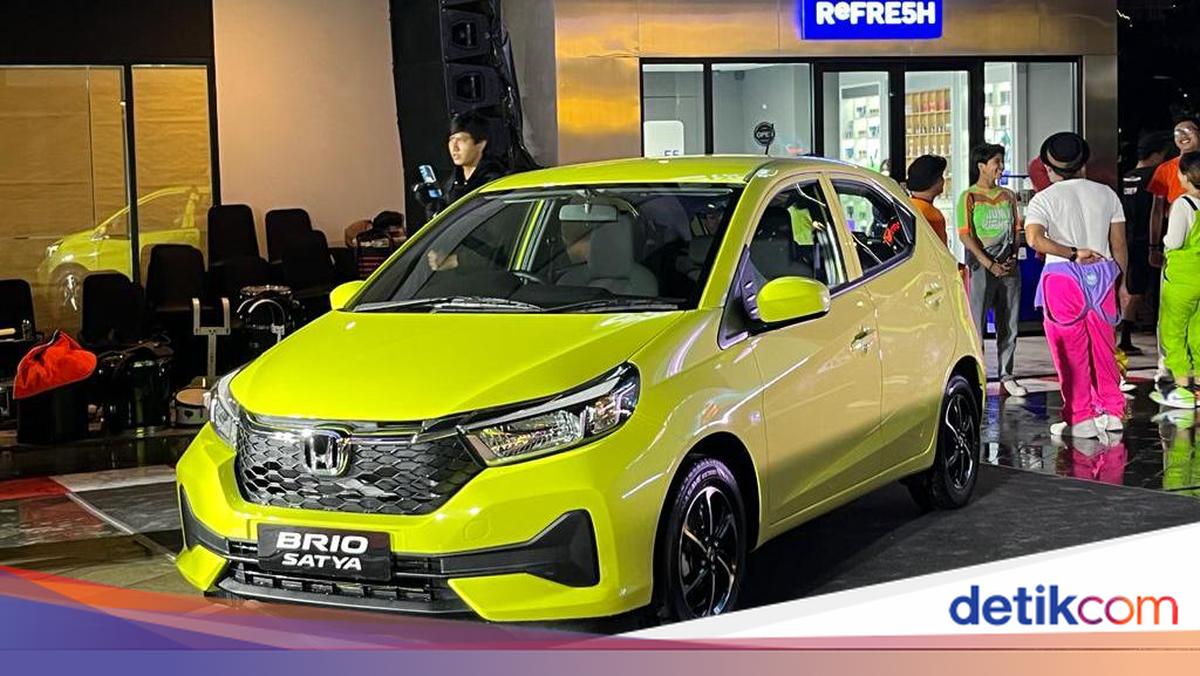
This macroeconomic perspective is crucial. The automotive industry’s growth is intricately linked to the overall health of the economy. When inflation is high, job security is uncertain, or wages are not keeping pace with the cost of living, consumers tend to postpone large discretionary purchases like vehicles. The LCGC segment, by its very nature, targets a demographic that is particularly sensitive to these economic fluctuations.
A Shrinking Market Share: The Data Behind the Decline
The declining sales figures for LCGCs are not mere anecdotal observations; they are substantiated by concrete data. Gaikindo’s statistics paint a clear picture of a segment experiencing a significant contraction in market share.
In 2024, LCGCs held a market share of 20.1 percent. This figure saw a notable decrease to 15.7 percent in 2025. The cumulative sales for the five LCGC models available in the previous year, 2024, barely reached 130,000 units.
The trend has continued into the current year. The first three months of 2025 have shown no signs of recovery for these fuel-efficient vehicles. Sales during this period amounted to only 28,831 units. This represents a stark contraction of 29.9 percent when compared to the same period in the preceding year. This significant year-on-year decline underscores the escalating challenges faced by the LCGC segment in maintaining its appeal and market relevance.
Contributing Factors to the Decline
Several factors likely contribute to the waning popularity of LCGCs:
- Increased Competition from Used Cars: The used car market offers a viable alternative for budget-conscious consumers. Well-maintained pre-owned vehicles can often be purchased at a fraction of the price of a new LCGC, providing better features or even a higher vehicle class for the same budget.
- Evolving Consumer Expectations: As consumers become more exposed to technological advancements and safety features in higher-tier vehicles, their expectations shift. Even in the budget segment, there’s a growing demand for modern amenities and enhanced safety, which can drive up manufacturing costs and, consequently, prices.
- Inflation and Rising Cost of Living: As mentioned earlier, general economic pressures mean that consumers have less disposable income for discretionary spending. The perceived value proposition of an LCGC might be diminished when everyday necessities consume a larger portion of their budget.
- Product Lifecycle and Innovation: The LCGC segment, while offering value, might be perceived by some consumers as lacking in the latest design innovations or performance upgrades compared to newer models in slightly higher segments.
- Government Regulations and Incentives: While LCGCs were initially designed to benefit from certain tax structures or incentives, any changes or phasing out of these policies could impact their price competitiveness.
Broader Implications for the Indonesian Automotive Industry
The declining LCGC market has several implications for the wider Indonesian automotive sector:
- Shift in Manufacturing Focus: Manufacturers might need to re-evaluate their product development strategies. If the entry-level segment is shrinking, there might be a greater emphasis on developing and promoting vehicles in the slightly higher, more profitable segments, provided consumer purchasing power can support it.
- Impact on Ancillary Industries: A slowdown in LCGC sales can affect related industries, including parts suppliers, financing institutions, and after-sales service providers who cater specifically to this segment.
- Technological Adoption: The industry’s commitment to incorporating advanced safety and fuel-efficiency technologies needs to be balanced with affordability. The challenge lies in finding innovative solutions that can be implemented at a lower cost.
- Market Segmentation Analysis: This situation necessitates a deeper understanding of consumer needs and purchasing behaviors. It might indicate a need for more nuanced segmentation within the budget car market, perhaps focusing on specific use cases or feature priorities rather than a one-size-fits-all approach.
The Path Forward: A Focus on Value and Economic Empowerment
The Indonesian automotive industry, through bodies like Gaikindo, appears to be advocating for a long-term strategy that prioritizes economic growth and increased consumer purchasing power. The argument is that a stronger economy will naturally enable consumers to afford better and safer vehicles, rather than forcing manufacturers to compromise on quality to meet an artificially low price point.
This approach suggests that instead of creating an even more basic and potentially less safe segment, the focus should be on:
- Enhancing Vehicle Value: Manufacturers can work on improving the overall value proposition of LCGCs by integrating more desirable features without significantly increasing costs, perhaps through clever engineering and economies of scale.
- Promoting Financial Literacy and Access to Credit: Initiatives that improve financial literacy and provide accessible financing options for car purchases can help bridge the gap between desire and affordability for consumers.
- Government Support for Economic Growth: Ultimately, sustained economic development, job creation, and wage growth are crucial for boosting consumer confidence and their ability to invest in larger purchases like vehicles.
The future of the LCGC segment, and indeed the broader Indonesian automotive market, hinges on a delicate balance between manufacturing innovation, economic realities, and evolving consumer aspirations. While the "low-cost" appeal of LCGCs has diminished, the underlying desire for affordable and efficient personal transportation remains. The industry’s challenge is to find sustainable solutions that meet these needs without sacrificing safety and quality, a goal that is intrinsically linked to the overall economic well-being of the nation.