A Pristine Yamaha F1ZR, a Cherished Two-Stroke Legend, Surfaces as a New Old Stock Gem in Medan

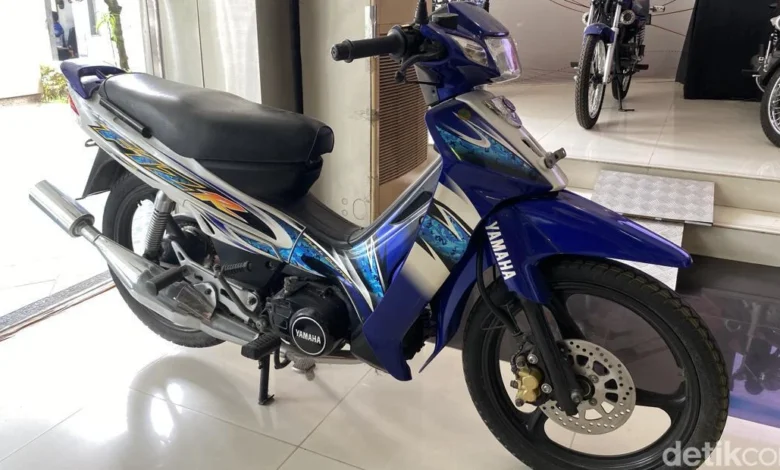
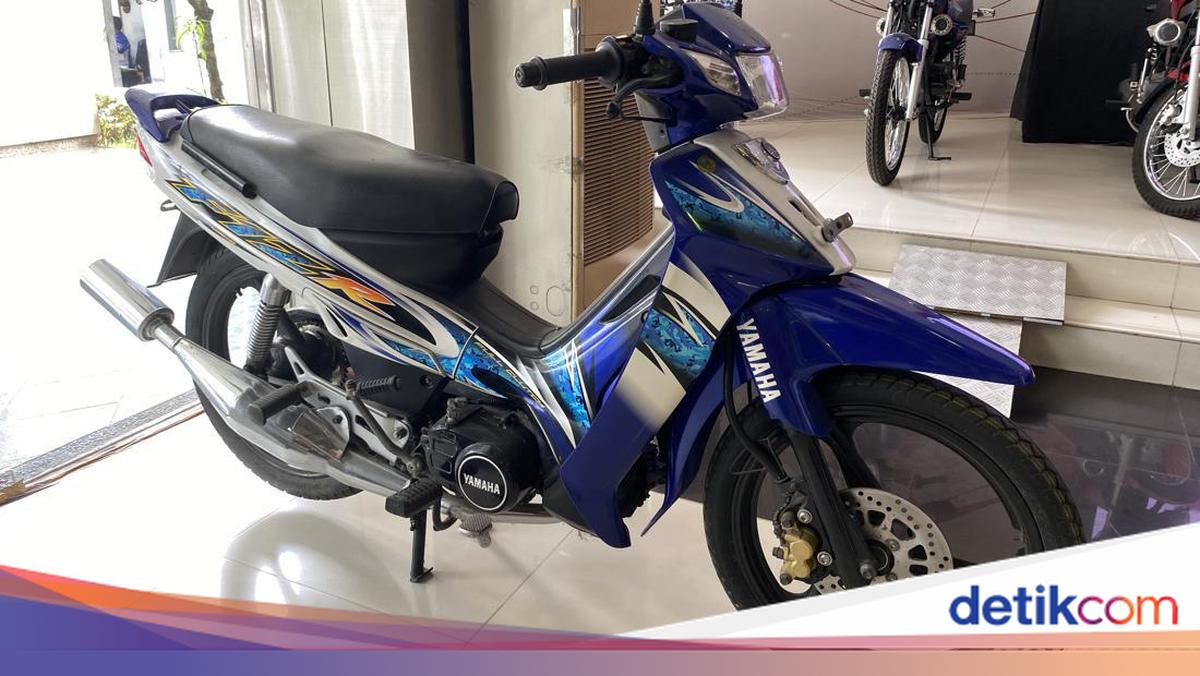
The rumble of a two-stroke engine, particularly from the legendary Yamaha F1ZR, evokes a potent wave of nostalgia for a generation of motorcycle enthusiasts. This iconic underbone, which dominated the Indonesian two-wheeler scene from the mid-1990s through the early 2000s, has steadily ascended in value, transforming from a common mode of transport into a highly sought-after collectible. However, the recent discovery of a Yamaha F1ZR unit in a pristine New Old Stock (NOS) condition, seemingly untouched by time and wear, has sent ripples of excitement through the collector community. This exceptionally rare find, a testament to meticulous preservation, is currently being showcased at an official Yamaha dealer under the expansive PT Alfa Scorpii network, specifically within its operations serving North Sumatra, Riau, the Riau Islands, and Aceh.
The Yamaha F1ZR, a model synonymous with sporty design and spirited performance, has long held a special place in the hearts of many. Its aggressive styling, characterized by a sharp, aerodynamic front fascia, hinted at its dynamic capabilities. For those who experienced its agility and the distinctive thrum of its two-stroke heart, the F1ZR represents more than just a motorcycle; it embodies a period of motorcycling evolution. Its lineage can be traced back through the revered Force 1, Alfa, and F1Z models, each contributing to Yamaha’s strong foothold in the Indonesian underbone market. The F1ZR, introduced in 1997, represented a significant evolution, building upon the success of its predecessors with enhanced performance and a more modern aesthetic.
This particular unit, a striking blue F1ZR, is not a product of painstaking restoration. Instead, it has been confirmed by PT Alfa Scorpii to be in its original, factory-fresh state, having never been ridden or registered since its production. This claim is substantiated by its astonishingly low odometer reading of a mere 2.3 kilometers, a figure that underscores its untouched status.
A Rare Find: The Genesis of the F1ZR’s Legacy
The Yamaha F1ZR’s journey to becoming a coveted collector’s item is a narrative woven with threads of performance, accessibility, and cultural impact. Launched in 1997, it quickly became a symbol of youthful exuberance and practical sportiness. The Indonesian motorcycle market, at the time, was heavily dominated by underbone motorcycles, and Yamaha’s offerings, particularly those with the potent two-stroke engines, held a significant market share. The F1ZR, as a successor to models like the Force 1, embodied the culmination of Yamaha’s engineering prowess in this segment. Its introduction was met with widespread acclaim, solidifying its position as a benchmark for performance and style in its class.
The success of the F1ZR was not merely a matter of market positioning; it was driven by a combination of factors. Its engine, a 110.4cc, single-cylinder, two-stroke unit, was renowned for its lively performance. With a bore and stroke of 52.0 mm x 52.0 mm, it was considered a square configuration, often contributing to a balanced power delivery. The engine’s specifications, including a compression ratio of 7.1:1 and fuel delivery via a Mikuni VM 20 x 1 carburetor, were meticulously tuned to extract maximum performance. On paper, the engine was capable of producing a respectable 11.8 horsepower at 7,500 RPM, with a peak torque of 10.7 Nm at 6,500 RPM. This power output, coupled with a responsive 4-speed manual transmission, made the F1ZR a nimble and exhilarating machine to ride, especially considering its remarkably light weight of just 95 kilograms. This lightweight construction was a crucial factor in its agility, allowing riders to navigate traffic with ease and enjoy spirited rides on open roads.
The Collector’s Dream and the Dealer’s Dilemma
The presence of a New Old Stock F1ZR is a rarity that naturally draws significant attention. For collectors and enthusiasts who have witnessed the market value of well-maintained F1ZR units skyrocket in recent years, this discovery presents a tantalizing prospect. The rising popularity of vintage two-stroke motorcycles, driven by a combination of nostalgia, performance appeal, and a growing appreciation for engineering heritage, has made models like the F1ZR increasingly difficult to find in good condition, let alone in pristine, unused state.
However, for those harboring hopes of acquiring this particular gem, PT Alfa Scorpii has delivered a clear message. Joni Lie, General Manager Marketing of PT Alfa Scorpii, confirmed the F1ZR’s status as a treasured collection. "Yes, it’s a collection. That Force 1 ZR is completely new," Lie stated during an encounter in Samosir, North Sumatra. He further elaborated on the dealer’s stance, emphasizing that the unit is not intended for sale. "The boss doesn’t want to sell," Lie added curtly, putting an end to any speculation about its availability on the open market. This decision highlights the intrinsic value placed on the motorcycle not just as a product, but as a piece of history and a symbol of the brand’s legacy.
The implications of such a find, even if not for sale, are significant for the collector market. It serves as a tangible reminder of the enduring appeal of these machines and the potential for such pristine examples to surface. It also fuels the ongoing narrative of the F1ZR’s ascent in value, further solidifying its status as a blue-chip collectible. The mere existence of this NOS unit could influence the valuation of other F1ZR models, particularly those that are in excellent, original condition.
A Glimpse into Yamaha’s Two-Stroke Heritage
The Yamaha F1ZR’s enduring appeal can also be attributed to the broader context of two-stroke technology in motorcycling. While emission regulations and advancements in four-stroke engines have led to the phasing out of two-stroke technology in many mainstream applications, it continues to hold a special place for its unique characteristics. Two-stroke engines are known for their simplicity, lighter weight, and higher power-to-weight ratio compared to their four-stroke counterparts. They deliver power in a more immediate and visceral manner, a trait that many riders find exhilarating. The distinctive sound and smell of a two-stroke engine are also part of its allure, evoking a raw, unadulterated motorcycling experience.
The F1ZR, in its era, represented the pinnacle of Yamaha’s efforts in this domain for the underbone segment. It successfully blended performance with practicality, making it a favorite among a wide demographic. Its sporty design, a departure from the more utilitarian designs of some of its predecessors, appealed to a younger audience and those who desired a motorcycle with a bit more flair. The aerodynamic front fairing, the sharp lines of the bodywork, and the overall aggressive stance of the F1ZR contributed to its sporty image.
The technical specifications of the F1ZR further illustrate its engineering prowess for its time. The 110.4cc engine, while seemingly modest by today’s standards, was a potent powerplant for the underbone class. The square bore and stroke configuration (52.0 mm x 52.0 mm) suggested an engine designed for both responsiveness and durability. The choice of a Mikuni VM 20 x 1 carburetor was a common and reliable option, known for its efficiency and performance. The power figures of 11.8 Hp at 7,500 RPM and 10.7 Nm of torque at 6,500 RPM were competitive and contributed to the bike’s lively acceleration. The 4-speed transmission ensured that riders could effectively utilize the engine’s powerband.
The F1ZR’s relatively light weight of 95 kg was a significant advantage. This allowed for exceptional maneuverability, making it ideal for navigating congested urban environments and for spirited riding on winding roads. The combination of a potent engine and lightweight chassis made the F1ZR a joy to ride, offering a performance envelope that was both accessible and engaging.
The Broader Impact and the Future of Collectible Motorcycles
The emergence of a New Old Stock Yamaha F1ZR is more than just a news item for motorcycle enthusiasts; it is indicative of broader trends within the collector vehicle market. As vehicles from the 1980s and 1990s gain classic status, pristine examples of previously commonplace models are becoming increasingly valuable. This phenomenon is driven by a combination of nostalgia for a bygone era, a growing appreciation for engineering from different periods, and the inherent scarcity of surviving units in such impeccable condition.
The preservation of such a unit by a major dealership like PT Alfa Scorpii also speaks to a corporate recognition of the historical significance and brand heritage embodied by these iconic models. By choosing to keep the F1ZR as a collection rather than selling it, they are not only safeguarding a piece of their own history but also acknowledging the enduring legacy of the F1ZR in the Indonesian automotive landscape. This approach can foster goodwill among brand loyalists and collectors, reinforcing the brand’s connection to its past.
The implications for the future of collectible motorcycles are substantial. The increasing demand for vintage and classic vehicles, coupled with the diminishing availability of pristine examples, suggests that the market for well-preserved motorcycles like the F1ZR will continue to be robust. This also highlights the importance of proper storage and maintenance for vehicles that are likely to appreciate in value over time. For many, owning a piece of automotive history is not just an investment; it is a connection to a particular time, a set of experiences, and a passion for the engineering and design that define it. The Yamaha F1ZR, in its unblemished, New Old Stock glory, serves as a powerful testament to this enduring connection, a timeless reminder of an era when two-stroke legends roared on the streets of Indonesia.