Demak Health Department Reports 68 Hospitalized Following Suspected Food Poisoning from Free Nutritional Meal Program

Demak, Indonesia – A concerning outbreak of suspected food poisoning has led to the hospitalization of 68 individuals in Demak Regency, with a total of 134 people having received medical attention. The incident is linked to a free nutritional meal (MBG) program distributed by the SPPG Yayasan Khidmatul Ummah Madani in Pilangwetan Village, Kebonagung District, Demak. The affected meal, reportedly served on Saturday, April 18, 2026, consisted of fried rice, fried egg, tofu, pickled vegetables, oranges, and a boxed milk.
The Demak District Health Office (Dinkesda) confirmed the figures on Monday, April 20, 2026, stating that of the 134 individuals who have sought treatment, 68 remain as inpatients, while 66 have been treated as outpatients. The affected communities extend beyond Pilangwetan Village, with additional cases reported from Solowire and Prigi.
Chronology of the Outbreak
The timeline of the outbreak suggests a rapid onset of symptoms following the consumption of the MBG meals. While the meals were distributed on Saturday, April 18, 2026, the first reports of illness emerged on Sunday, April 19, 2026. This swift development of symptoms points towards a potential bacterial or viral contamination within the food preparation or distribution chain.
The initial notification of the suspected food poisoning outbreak was made to local health authorities. Subsequently, the Demak District Health Office began coordinating the response, working with various healthcare facilities to manage the growing number of patients. The scale of the incident necessitated the involvement of multiple hospitals and community health centers (Puskesmas) across Demak and the neighboring Grobogan Regency.
Demographics and Affected Populations
While the Demak Health Office has not provided specific details on the identities of all patients, Head of Dinkesda Demak, Ali Maimun, indicated that the majority of those affected are students from various Islamic boarding schools (pondok pesantren) located in the Pilangwetan Village area. This concentration of cases among santri highlights the vulnerability of institutionalized settings to foodborne illnesses.
Specifically, the Pesantren Asnawiyyah, Pesantren Bustanul Quran, and Pesantren Hidayatul Mubtadiin have reported a significant number of their students falling ill. The inclusion of the "B3 group" (pregnant women, breastfeeding mothers, and toddlers) in earlier reports suggests a broader community impact beyond the pesantren, indicating that the affected meals may have been distributed more widely than initially understood.
Healthcare Response and Patient Condition
The affected individuals are receiving care at a network of healthcare facilities, including major hospitals and local health centers. The distribution of patients across these facilities is as follows:
- RSUD Sunan Kalijaga Demak: 3 inpatients, 0 outpatients.
- RSUD Sultan Fatah Demak: 14 inpatients, 7 outpatients.
- RSI NU Demak: 1 inpatient, 0 outpatients.
- RS PKU Muhammadiyah Gubug, Grobogan: 10 inpatients, 43 outpatients.
- RSUD Ki Ageng Getas Pendowo Gubug, Grobogan: 35 inpatients, 4 outpatients.
- Puskesmas Kebonagung Demak: 5 inpatients, 12 outpatients.
Despite the number of hospitalizations, Ali Maimun expressed a degree of reassurance regarding the patients’ conditions. "Alhamdulillah, no one is in serious condition. We have not received any reports of severe cases. The patients are stable and being managed well," he stated. This suggests that while the symptoms were significant enough to warrant hospitalization, they have not resulted in life-threatening complications for any of the individuals treated so far. The relatively stable condition of the inpatients indicates effective medical intervention and support.
Background of the Free Nutritional Meal Program
The MBG program is operated by SPPG Yayasan Khidmatul Ummah Madani, an organization dedicated to providing nutritional support. According to Muzani Ali Shodiqin, the Regional Coordinator of SPPG for Demak Regency, the program routinely distributes meals in phases to various villages. On the day of the incident, SPPG was scheduled to deliver a total of 1,484 MBG portions.
The specific menu served on Saturday, April 18, 2026, has been detailed as nasi goreng (fried rice), telur ceplok (fried egg), tahu goreng (fried tofu), acar timun wortel (cucumber and carrot pickle), buah jeruk (orange), and susu (milk). This comprehensive menu is designed to provide balanced nutrition, particularly for vulnerable populations. The fact that such a program, intended for welfare and health, has become the source of an outbreak raises significant concerns about the safety protocols and quality control measures in place.
Investigation and Official Response
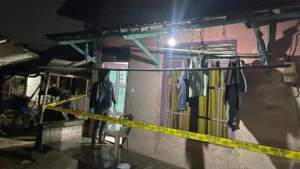
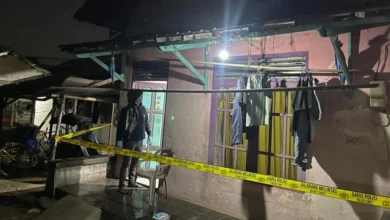
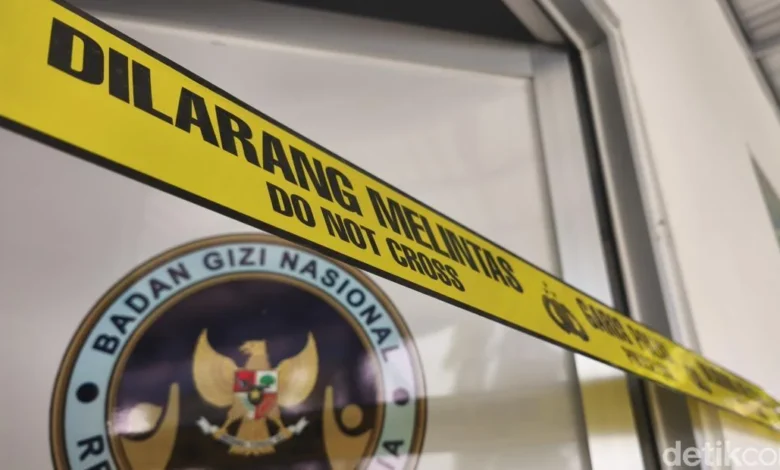
Following the reports of illness, authorities have taken immediate action. The SPPG facility that prepared and distributed the meals has been cordoned off by the police, indicating the initiation of an official investigation. This measure is crucial to preserve potential evidence and to prevent further contamination or tampering.
The investigation will likely focus on several key areas:
- Food Sourcing and Storage: Examining where the ingredients were obtained and how they were stored prior to preparation. Contaminated raw ingredients are a common source of food poisoning.
- Food Preparation Practices: Assessing the hygiene standards and cooking procedures followed by the SPPG kitchen staff. Inadequate hygiene can lead to the proliferation of harmful bacteria.
- Cross-Contamination: Investigating whether different food items or preparation surfaces came into contact, potentially spreading contaminants.
- Distribution and Handling: Reviewing how the meals were transported and distributed to ensure they maintained safe temperatures and were not exposed to environmental contaminants.
- Ingredient Quality: Testing samples of the ingredients used, particularly perishable items like eggs and dairy, for the presence of pathogens.
The involvement of the police suggests that potential criminal negligence or violations of food safety regulations may be investigated. The Ministry of Health, along with regional health and food safety agencies, will likely provide oversight and technical assistance to the local authorities in conducting a thorough inquiry.
Broader Implications and Public Health Concerns
This incident raises significant public health concerns, particularly regarding the safety of food distributed through government-subsidized or community-based nutrition programs. Such programs are vital for addressing malnutrition and ensuring access to nutritious food for vulnerable populations, including children and low-income families. However, lapses in food safety can have devastating consequences, undermining public trust and potentially causing widespread illness.
The widespread distribution of the MBG meals means that the potential for more cases, even if not immediately reported, cannot be entirely ruled out. Public health advisories may be issued to inform residents about the symptoms of food poisoning and to encourage them to seek medical attention if they experience any adverse effects after consuming food from similar sources.
The incident also highlights the importance of robust regulatory frameworks and consistent monitoring of food preparation and distribution chains, especially for programs that serve large numbers of people. Beyond the immediate health crisis, there are economic and social implications, including the cost of medical treatment, lost productivity, and the potential disruption to the educational activities of the affected students.
Preventive Measures and Future Outlook
In the aftermath of this outbreak, there will be an urgent need to review and strengthen food safety protocols for all such programs in Demak and potentially across the wider region. This could involve:
- Enhanced Training: Providing comprehensive food safety training to all staff involved in food preparation and distribution.
- Regular Inspections: Implementing more frequent and rigorous inspections of kitchens and distribution centers.
- Source Verification: Establishing stricter guidelines for sourcing ingredients from reputable and certified suppliers.
- Temperature Control: Ensuring proper temperature control during cooking, storage, and transportation of food.
- Public Awareness Campaigns: Educating the public on safe food handling practices and recognizing the signs of foodborne illness.
The swift response from the Demak District Health Office and the cooperation of various healthcare providers have been crucial in managing the current situation. However, the long-term impact will depend on the thoroughness of the investigation and the implementation of effective preventive measures to ensure the safety and integrity of future nutrition programs. The focus remains on the well-being of the affected individuals and on preventing similar incidents from occurring in the future. The investigation is ongoing, and further details are expected to emerge as authorities gather more information.