402 Rumah Sakit Angker Korea is an Indonesian remake of the popular South Korean horror film Gonjiam: Haunted Asylum

The Indonesian film industry is set to debut its rendition of the critically acclaimed South Korean horror film Gonjiam: Haunted Asylum, with the remake titled 402 Rumah Sakit Angker Korea. Directed by Anggy Umbara, known for his work on the Comic 8 franchise and Gundik, this adaptation promises to bring the chilling narrative of a haunted hospital to Indonesian audiences. The film is slated for release in cinemas on July 9th, marking a significant entry into the local horror genre.
A Descent into the Terrors of Yongwon Hospital
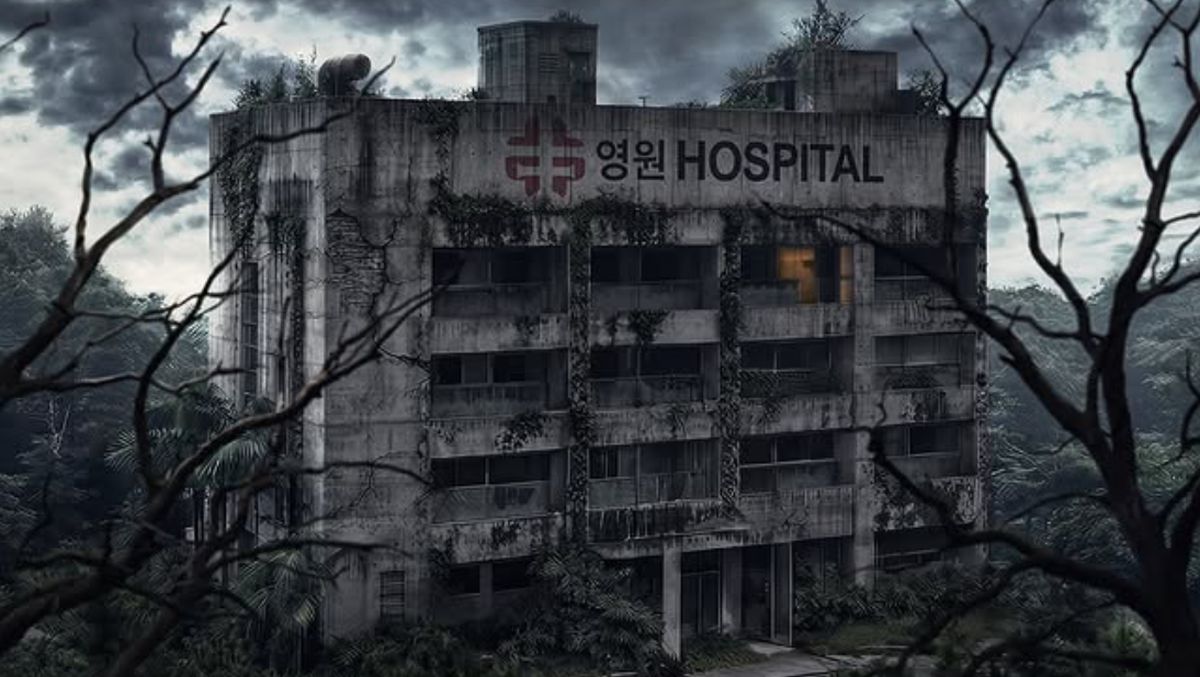
At its core, 402 Rumah Sakit Angker Korea retains the foundational premise of its predecessor. The story follows a group of content creators who, in pursuit of viral fame and escalating viewership numbers, decide to embark on a live-streamed exploration of Yongwon Hospital. This abandoned medical facility in South Korea is notorious for its dark past and alleged paranormal activity, making it the ultimate challenge for thrill-seeking influencers.
The narrative centers on the crew’s decision to broadcast their every move within the hospital’s most terrifying sections. Their ambition to capture unprecedented footage and attract a massive online audience, however, blinds them to the genuine dangers that lurk within the decaying walls. As the live stream progresses, the lines between manufactured scares and real terror begin to blur, leading to escalating dread and potentially fatal consequences for the unsuspecting participants. The concept taps into the modern phenomenon of influencer culture and the often-dangerous quest for online notoriety, juxtaposed with timeless fears of the supernatural.
Production and Cast
The adaptation is a collaborative effort by prominent Indonesian production houses: MD Pictures, Umbara Brothers Film, and Pichouse Films. This collaboration signals a significant investment in bringing a high-quality horror experience to the Indonesian market.
The film features a promising ensemble of young Indonesian talent. Arbani Yasiz takes on the role of Juna, with Saputra Kori portraying Adit. Elang El Gibran is cast as Bara, and Diandra Agatha will be seen as Arumi. Adding to the cast are Aylena Fusil as Tyas and Lea Ciarachel as Yuri. A unique and strategic addition to the cast is Jang Han-Sol, a popular South Korean content creator with a substantial following in Indonesia. His inclusion as the character Dae-Ho is intended to bridge cultural gaps and enhance the film’s appeal to both Indonesian and Korean-speaking audiences, leveraging his established online presence.
The production reportedly involved filming on location in South Korea, aiming to replicate the authentic atmosphere and unsettling environment of the original film’s setting. This commitment to location shooting suggests an effort to imbue 402 Rumah Sakit Angker Korea with a sense of realism and immersion that is crucial for effective horror storytelling.
The Legacy of Gonjiam: Haunted Asylum
The original Gonjiam: Haunted Asylum premiered in 2018 and quickly garnered significant attention for its found-footage style and genuinely frightening sequences. Directed and co-written by Jung Bum-shik, alongside Park Sang-min, the film was lauded for its critical reception and commercial success.
Critical Acclaim and Commercial Success of the Original:
- Critical Reception: Gonjiam: Haunted Asylum was praised by critics for its innovative approach to the horror genre, its claustrophobic atmosphere, and its effective jump scares. Its ability to build suspense and deliver genuine moments of terror resonated with audiences and reviewers alike.
- Box Office Performance: The film proved to be a significant financial success. Produced with a budget of approximately US$2.2 million, it went on to gross over US$21 million globally at the box office. This impressive return on investment highlighted the international appeal of well-crafted horror content.
- Domestic Impact: Within South Korea, the film was a major draw. The Korean Film Council reported that Gonjiam: Haunted Asylum attracted 2,675,575 admissions at the local box office, solidifying its status as a blockbuster hit in its home country. The film’s stars, including Wi Ha-joon (who later gained international fame for his role in Squid Game), Park Ji-hyun, Oh Ah-yeon, and Park Ji-a, also saw their profiles rise significantly due to the film’s success.
The original film’s success set a high bar for its Indonesian remake. The decision to adapt a proven hit suggests a strategic move by MD Pictures and its partners to tap into a pre-existing fanbase and leverage the narrative’s proven ability to scare audiences.
The Rise of Found-Footage and Influencer Horror
The found-footage genre, popularized by films like The Blair Witch Project and Paranormal Activity, has seen a resurgence in recent years, often intertwined with the evolving landscape of digital media and online content creation. Gonjiam: Haunted Asylum effectively utilized this format, presenting its terrifying events as if captured by the characters themselves, thereby enhancing the sense of immediacy and realism.
The inclusion of the "influencer" narrative in 402 Rumah Sakit Angker Korea is particularly timely. In an era where social media fame is highly sought after, the idea of individuals putting themselves in extreme danger for online validation is a potent and relatable theme. This contemporary angle adds another layer of commentary to the horror, exploring the psychological pressures and ethical dilemmas associated with the pursuit of online celebrity.
Broader Implications for the Indonesian Film Industry
The remake of a successful international film like Gonjiam: Haunted Asylum signifies several key trends and potential impacts for the Indonesian film industry:
- International Collaboration and Adaptation: This project highlights a growing willingness within the Indonesian film industry to engage with international intellectual property. Such adaptations can provide established narratives that already have proven audience appeal, reducing some of the inherent risks associated with developing entirely new concepts. It also opens doors for potential future collaborations and the exchange of creative ideas.
- Elevating the Horror Genre: Indonesia has a rich history of horror cinema, but the quality and scope of productions can vary. By investing in a remake of a critically and commercially successful film, MD Pictures and its partners are signaling an ambition to elevate the standard of Indonesian horror. The focus on location shooting in Korea and the inclusion of a Korean talent suggest an effort to achieve a higher production value and a more authentic international feel.
- Leveraging Digital Trends: The incorporation of the influencer narrative and live-streaming elements directly addresses contemporary digital culture. This can help Indonesian cinema connect with younger audiences who are deeply immersed in online platforms and trends, potentially drawing them into cinemas to experience familiar themes in a cinematic format.
- Potential for International Distribution: A well-executed remake of a recognized film can also open doors for international distribution, allowing Indonesian cinema to reach wider global audiences. If 402 Rumah Sakit Angker Korea succeeds critically and commercially, it could pave the way for more Indonesian films to be recognized and distributed on the international stage.
Anticipation and Expectations
With a release date set for July 9th, the anticipation for 402 Rumah Sakit Angker Korea is building. The film’s success will likely depend on its ability to capture the terrifying essence of the original while also bringing its own unique Indonesian flavor to the narrative. The directorial vision of Anggy Umbara, combined with the fresh cast and the commitment to authentic locations, suggests that audiences can expect a suspenseful and frightening cinematic experience. The film’s performance at the box office will be a key indicator of the appetite for high-concept horror remakes within Indonesia and the industry’s capacity to deliver them effectively. The integration of Jang Han-Sol into the cast is also a unique experiment that could influence future casting decisions in Indonesian films aiming for broader regional appeal. The success of this venture could signify a new era of strategic remakes and cross-cultural cinematic collaborations in Indonesia.