The Profound Significance and Ritualistic Execution of the Stoning of the Devil During the Hajj Pilgrimage


The stoning of the devil, known as lempar jumrah in Indonesian, stands as a pivotal and deeply symbolic ritual within the sacred pilgrimage of Hajj, drawing millions of devoted Muslims to Mina. This solemn observance is far more than a mere physical act; it is a profound affirmation of faith, a testament to unwavering obedience to Allah SWT, and a potent metaphor for the eternal struggle against temptation. Understanding the historical roots and precise methodology of this ritual is crucial for pilgrims, as it encapsulates layers of spiritual meaning essential to the Hajj experience.
More than just a physical exertion, the stoning of the devil serves as a powerful lesson in steadfastness, urging believers to confront the relentless onslaught of temptations that permeate human life. Each pebble cast is a deliberate act of defiance against the insidious whispers of Satan, aiming to divert individuals from the righteous path. This ritual also underscores the paramount importance of patience, sincere devotion, and unwavering consistency in adhering to Allah’s commands. As outlined in the "Tuntunan Manasik Haji dan Umrah 2026" (Hajj and Umrah Ritual Guide 2026), compiled by the Ministry of Religious Affairs of the Republic of Indonesia, the ritual’s significance is multifaceted.
The Genesis of the Stoning of the Devil Ritual
The practice of stoning the devil is an integral component of the Hajj, involving the casting of small pebbles at three distinct pillars: Jumrah Sughra, Jumrah Wustha, and Jumrah Kubra (also known as Jumrah Al-Aqabah). The objective is for the pebbles to strike the designated area, the marma, and fall within the confines of the structure. The performance of this ritual is obligatory; failure to complete it incurs a dam (a compensatory sacrifice) or fidyah (a redemption offering).
The historical bedrock of the stoning of the devil ritual lies in the profound narrative of Prophet Ibrahim (Abraham) AS, who was divinely commanded by Allah SWT to sacrifice his beloved son, Ismail AS. This command presented an ultimate test of faith and absolute submission. As Prophet Ibrahim embarked on fulfilling this divine directive, Iblis (Satan) appeared, attempting to sow seeds of doubt and dissuade him from his task by portraying the act as cruel. However, Prophet Ibrahim remained resolute in his unwavering faith.
In a decisive act of rejection and defiance against Iblis’s insidious attempts to derail his divine mission, Prophet Ibrahim picked up pebbles and cast them at the tempter. This pivotal moment is commemorated as the stoning of Jumrah Sughra.
Subsequently, Iblis turned his attention to Hajar, Prophet Ibrahim’s wife, seeking to sway her by appealing to her maternal instincts, suggesting that a mother could not bear to see her child sacrificed. Yet, Hajar, exhibiting extraordinary resilience and faith, also cast stones at Iblis, signifying her firm resolve. This act became the symbolic representation of the stoning of Jumrah Wustha.
The trials continued as Iblis attempted to ensnare Prophet Ismail AS. However, Ismail demonstrated remarkable steadfastness and profound faith, remaining entirely obedient to Allah’s command.
Ultimately, Prophet Ibrahim, Hajar, and Ismail, united in their unwavering devotion, jointly cast stones at Iblis, banishing his influence. This collective act of spiritual fortitude is enshrined in the ritual of stoning Jumrah Al-Aqabah.
From this sacred historical account, it becomes clear that the stoning of the devil transcends a mere ritualistic act; it is a potent symbol of humanity’s ongoing battle against the temptations and deceptions orchestrated by Satan. Iblis perpetually endeavors to impede humankind from performing good deeds and adhering to divine guidance. The ritual serves as a poignant reminder that every Muslim must cultivate an unshakeable faith to navigate life’s trials and tribulations. Furthermore, this narrative powerfully emphasizes the critical role of familial strength as a bulwark against adversity, underscoring the indispensable virtue of sincerity (ikhlas) as the cornerstone of fulfilling Allah’s commands.
The Practical Execution: A Step-by-Step Guide to Stoning the Devil for Hajj Pilgrims
Having delved into the profound historical and spiritual origins of the ritual, it is equally essential for Hajj pilgrims to comprehend the prescribed methodology for performing the stoning of the devil in accordance with Islamic jurisprudence. This meticulous execution ensures the validity and spiritual efficacy of the rite.
Timing of the Ritual
The timing of the stoning of the devil is precisely delineated within the Hajj calendar:
-
The 10th of Dhu al-Hijjah: On this pivotal day, pilgrims are solely tasked with stoning Jumrah Al-Aqabah. The permissible period commences from sunrise and extends until just before dawn on the 11th of Dhu al-Hijjah. A total of seven pebbles are to be cast, one by one, at the designated pillar.
-
The Days of Tashriq (11th, 12th, and 13th of Dhu al-Hijjah): During these days, pilgrims engage in the stoning of all three jumrahs. The ritual is performed sequentially, beginning with Jumrah Sughra, followed by Jumrah Wustha, and concluding with Jumrah Al-Aqabah. For each jumrah, seven pebbles are cast.
Method of Execution
The precise execution of the stoning ritual is critical for its validity:
-
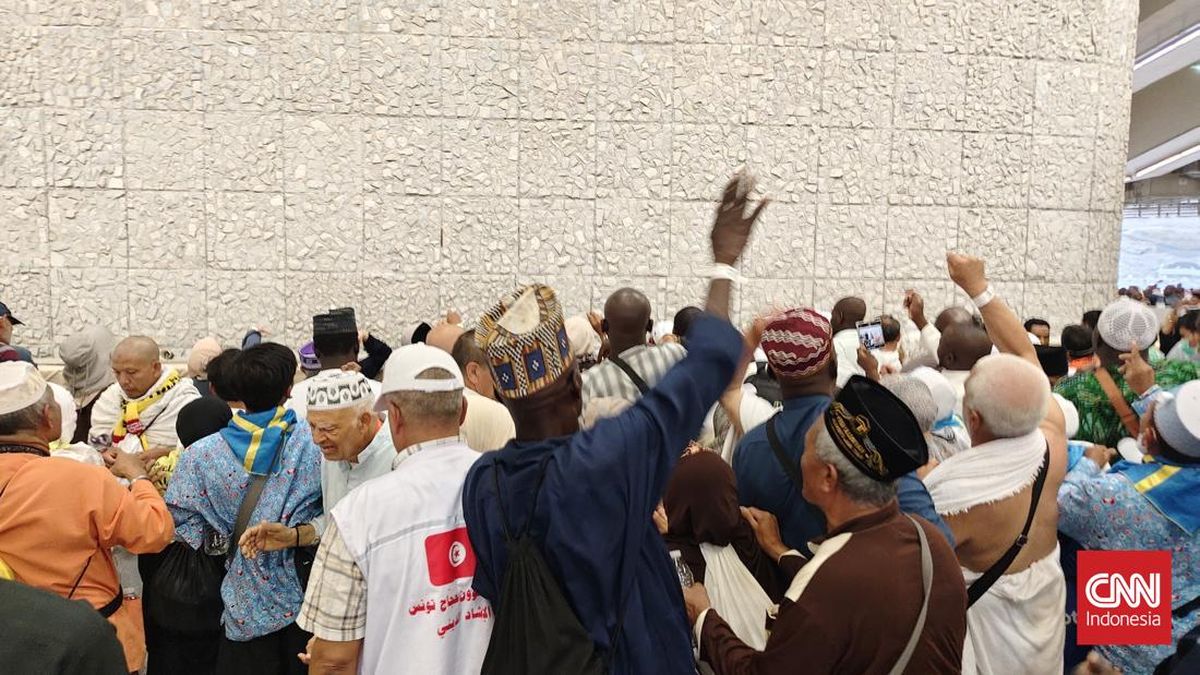
Impact and Placement: The pebbles must strike the designated target area (marma) and fall within the confines of the jumrah structure. Simply throwing the pebbles in the general direction is insufficient.
-
Individual Casts: Each of the seven pebbles must be thrown individually. If multiple pebbles are thrown simultaneously as a single action, it is counted as only one throw. This emphasizes the deliberate and focused nature of each act of defiance.
-
Sequential Order: The established order of stoning must be strictly adhered to: Jumrah Sughra first, followed by Jumrah Wustha, and finally Jumrah Al-Aqabah. Deviating from this sequence can invalidate the ritual for that specific jumrah.
Adherence to these precise procedural guidelines is a crucial prerequisite for the Hajj ritual to be considered valid and in complete accordance with divine guidance.
Accommodations for Incapacity: The Principle of Delegation
In recognition of human frailty and the diverse circumstances that pilgrims may encounter, Islam provides provisions for those who are physically unable to perform the stoning of the devil themselves. Individuals facing illness or other valid religious excuses (uzur syar’i) are permitted to delegate this ritual to another person. This accommodation highlights Islam’s pragmatic approach, ensuring that the essence of worship is not lost due to unforeseen challenges.
The established protocol for delegation is as follows:
-
Sequential Delegation: The appointed representative must first perform the stoning for themselves, ensuring their own ritual is complete and valid. Subsequently, they proceed to perform the stoning on behalf of the person they are representing.
-
Integrated Delegation: As an alternative, a representative can perform the stoning for one jumrah for themselves and then immediately perform the stoning for the individual they are representing at the same jumrah before moving on to the next jumrah. This method also ensures the validity of the ritual for both parties.
The historical accounts and the detailed procedural guidelines for the stoning of the devil serve as a profound reminder that this Hajj ritual is far more than a symbolic act. It is a tangible representation of the arduous yet essential human struggle against the pervasive forces of temptation and a steadfast commitment to maintaining one’s faith in Allah SWT. The Hajj pilgrimage, with its intricate rituals like the stoning of the devil, offers a comprehensive spiritual journey that fortifies the believer’s resolve and deepens their connection with the Divine.
Contextualizing the Hajj Pilgrimage and its Significance
The Hajj is one of the Five Pillars of Islam, an obligatory religious duty that must be performed by every adult Muslim who is physically and financially capable of undertaking the journey, at least once in their lifetime. It is a profound spiritual undertaking that transcends geographical boundaries and socioeconomic disparities, uniting Muslims from all walks of life in a shared devotion to Allah. The pilgrimage takes place during a specific period in the Islamic lunar calendar, primarily in the month of Dhu al-Hijjah, and involves a series of meticulously prescribed rituals performed in and around the holy city of Mecca.
The rituals of Hajj are deeply rooted in the history of Islam and the lives of Prophets Ibrahim and Muhammad (peace be upon them). Each act carries symbolic weight, designed to foster spiritual growth, humility, and a renewed sense of purpose. The tawaf (circumambulation of the Kaaba), the sa’i (walking between the hills of Safa and Marwah), the standing at Arafat, and the sacrifice (qurban) are all integral components that contribute to the holistic spiritual experience of the Hajj.
The stoning of the devil, occurring in Mina, is a crucial element that occurs towards the end of the Hajj. It is a physical manifestation of the internal struggle against negative inclinations, ego, and external temptations that seek to divert individuals from their spiritual path. The sheer scale of millions of pilgrims converging to perform this ritual underscores its collective importance and the shared commitment of the Muslim Ummah (community) to upholding their faith.
Data and Statistics on Hajj Participation
The Hajj is an event of immense logistical and organizational complexity, drawing an unparalleled number of global participants annually. In recent years, Saudi Arabian authorities have worked to manage the influx of pilgrims, often implementing quotas for different nations to ensure safety and manage resources effectively. For instance, prior to the COVID-19 pandemic, the number of pilgrims often exceeded two million. In 2023, after a period of restrictions, the number of pilgrims reached approximately 1.8 million, showcasing the enduring global appeal and significance of this sacred journey. These numbers highlight the vast human undertaking involved in the Hajj, underscoring the importance of well-defined rituals and efficient management to ensure the spiritual fulfillment of millions.
Broader Implications and Spiritual Resonance
The ritual of stoning the devil is not merely an isolated act of worship but is interwoven with broader themes of spiritual resilience and the ongoing battle against negative influences in personal and collective life. In a world saturated with distractions and temptations, the act of casting stones serves as a powerful, visceral reminder for pilgrims to actively reject falsehood, greed, envy, and other vices.
The collective performance of this ritual by millions also fosters a profound sense of global Muslim solidarity (ukhuwah Islamiyah). Witnessing fellow believers from diverse backgrounds united in this common purpose reinforces the idea of a unified Ummah, bound by shared faith and values. This shared experience can have a lasting impact on pilgrims, inspiring them to return to their communities with a renewed commitment to Islamic principles and a strengthened resolve to contribute positively to society.
The lessons learned from the stoning of the devil—patience, perseverance, obedience, and the rejection of temptation—are intended to permeate the pilgrim’s life long after the Hajj concludes. They serve as a spiritual compass, guiding them through the challenges and complexities of daily existence. The symbolic victory over Iblis during Hajj is meant to empower believers to face their personal "devils" with courage and unwavering faith in Allah.
In conclusion, the stoning of the devil is a ritual rich in historical significance and spiritual depth. It is a dynamic affirmation of faith, a powerful symbol of resistance against temptation, and a testament to the enduring legacy of the Prophets. For the millions who participate, it is an opportunity to reaffirm their commitment to Allah, to draw strength from the collective spirit of the Ummah, and to carry the profound lessons of Hajj back into their lives, striving to live in accordance with divine guidance.
Related posts: