Spiritual Practices and Cultural Observances Marking the Commemoration of Isra Miraj in Indonesia 2026

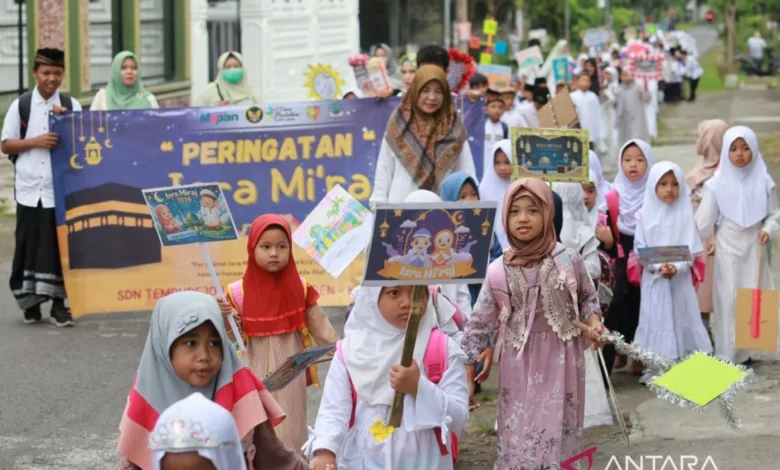
The Muslim community across Indonesia is preparing to observe one of the most profound spiritual milestones in the Hijri calendar, the commemoration of Isra Miraj, which falls on the 27th of Rajab, corresponding to January 15, 2026. This sacred event commemorates the miraculous night journey of the Prophet Muhammad SAW, a journey that remains a cornerstone of Islamic faith and a source of eternal spiritual reflection. As the date approaches, Indonesian Muslims are encouraged to engage in various forms of worship and social deeds to honor the significance of the night when the five daily prayers were first ordained.
The event of Isra Miraj is divided into two distinct yet connected parts: the "Isra," or the horizontal journey from the Masjidil Haram in Mecca to the Masjidil Aqsa in Jerusalem, and the "Miraj," the vertical ascension from Jerusalem through the seven heavens to the Sidratul Muntaha. It was during this divine encounter that the Prophet received the command for the Ummah to perform the five obligatory prayers (Salah), which serves as the direct link between the Creator and the believer. Consequently, the night preceding the official commemoration is viewed as a prime opportunity for self-purification, the seeking of forgiveness, and the strengthening of one’s devotion to the Almighty.
The Chronology and Theological Significance of the Miraculous Journey
To understand the depth of the observances held in Indonesia, one must revisit the historical and theological context of the journey. Occurring during a period known as the "Year of Sorrow" (Am al-Huzn), following the deaths of the Prophet’s beloved wife Khadijah and his protective uncle Abu Talib, the Isra Miraj served as a divine consolation. According to Islamic tradition, the Prophet was transported on a celestial creature known as the Buraq.
Upon reaching Jerusalem, the Prophet led all previous prophets in prayer at the site of the Al-Aqsa Mosque, symbolizing the continuity and culmination of the Abrahamic prophetic line. The subsequent ascension through the heavens involved meetings with various prophets, including Adam, Isa (Jesus), Yahya (John the Baptist), Yusuf (Joseph), Idris (Enoch), Harun (Aaron), Musa (Moses), and Ibrahim (Abraham). The climax of the journey at the Sidratul Muntaha—the Lote Tree of the Utmost Boundary—represented a proximity to the Divine presence that no other creation had ever achieved.
For Indonesian Muslims, this chronology is not merely a historical account but a spiritual roadmap. The transition from the physical world to the celestial realms mirrors the believer’s own journey in prayer, which is often described in Sufi traditions as the "Miraj of the believer."
Recommended Spiritual Practices for the Night of 27 Rajab
While Islamic jurisprudence (sharia) does not mandate specific rituals for the night of Isra Miraj in the same way it does for the two Eids or Ramadan, scholars and religious authorities in Indonesia emphasize several voluntary (sunnah) acts of worship. These practices are intended to maximize the spiritual "barakah" (blessing) of the season.
1. Performance of Voluntary (Sunnah) Prayers
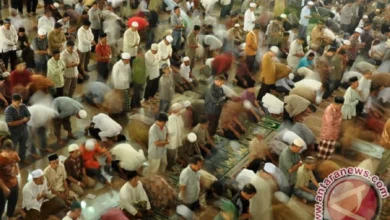
The primary method of observing the night is through increased prayer. Devotees are encouraged to perform various types of Sunnah prayers to find inner peace and divine proximity. These include:
- Rawatib Prayers: The voluntary prayers performed immediately before or after the five daily obligatory prayers.
- Tahajjud: The night vigil prayer performed after waking from sleep, considered one of the most virtuous voluntary acts.
- Hajat and Tasbih Prayers: Special prayers performed to seek the fulfillment of specific needs or to glorify Allah through intense repetition of "Subhanallah."
- Dhuha: Though performed in the morning, the spirit of the Miraj encourages a consistent cycle of Dhuha prayers to maintain spiritual momentum.
2. The Tradition of Lailatul Miraj Prayer
In many Indonesian communities, a specific tradition exists involving a 12-rakaat prayer known as the Lailatul Miraj or the Rajab night prayer. This is typically performed in sets of two rakaats (six sets in total) following the Maghrib or Isha prayers. Each rakaat involves the recitation of Surah Al-Fatihah followed by short surahs such as Al-Ikhlas.
The intention (niyyah) for this specific prayer is as follows: Ushalli sunnata lailatil miraji rakataini mustaqbilal qiblati lillahi taalaa (I intend to perform two rakaats of the Sunnah Miraj night prayer, facing the Qibla, for the sake of Allah the Almighty). Following the completion of the 12 rakaats, it is customary for worshippers to engage in prolonged prostrations and supplications, seeking the same divine mercy that was showered upon the Prophet during his ascension.
3. Recitation and Reflection of the Holy Quran
The night of 27 Rajab is also marked by the intensive reading of the Quran. Many mosques across the archipelago hold "Khataman" (complete recitations) or study circles focusing on Surah Al-Isra and Surah An-Najm, which provide the scriptural basis for the journey. This practice serves to deepen the intellectual and spiritual understanding of the miracle, encouraging the faithful to reflect on the power and majesty of Allah.
4. Dhikr, Istighfar, and Specific Supplications
Constant remembrance of God (Dhikr) and the seeking of forgiveness (Istighfar) are central to the night’s activities. Common phrases include "Subhanallah" (Glory be to Allah), "Alhamdulillah" (Praise be to Allah), and "Allahu Akbar" (Allah is the Greatest).
Furthermore, scholars often cite the supplication of Syekh Muhammad bin Abdullah bin Hasan al-Halabi al-Qadiri, as highlighted by NU Online, which translates to: "O Allah, by the majesty of the secrets revealed to the lovers, and by the sanctity of the seclusion which You granted specifically to the leader of the messengers when You took him on the journey on the 27th night of Rajab, I ask You to have mercy on my grieving heart and to answer my prayers, O Most Generous of the generous." This prayer emphasizes the emotional connection between the believer’s personal struggles and the Prophet’s divine consolation.
5. Acts of Charity and Social Solidarity
Beyond individual rituals, the Indonesian observation of Isra Miraj places a heavy emphasis on "Sedekah" (charity). This is viewed as a practical application of the Prophet’s teachings on compassion. Many organizations use this momentum to distribute food, provide financial aid to orphans, or support community infrastructure. This social dimension ensures that the spiritual heights reached through prayer are grounded in earthly service to humanity.
Official Responses and National Context
The Ministry of Religious Affairs (Kemenag) of the Republic of Indonesia has historically used the occasion of Isra Miraj to call for national unity and spiritual elevation. In the lead-up to the 2026 commemoration, officials have reiterated that the essence of the event lies in improving the quality of one’s prayer life. Minister of Religious Affairs Yaqut Cholil Qoumas, in previous statements relevant to this momentum, has noted that the values of prayer—discipline, humility, and social awareness—should be integrated into daily civic life.
"Isra Miraj is a momentum to improve spiritual quality," the Ministry noted in its official communications. Furthermore, the government emphasizes that the "Miraj" of a citizen is their contribution to the common good and the preservation of nature, drawing a parallel between the Prophet’s journey through the heavens and the human responsibility to care for the Earth.
Logistical and Socio-Economic Impact
The commemoration also has significant tangible impacts on Indonesian society. As Isra Miraj is a national public holiday, there is a notable surge in domestic travel. Reports from PT Kereta Api Indonesia (KAI), specifically from the Jember Regional Division (Daop 9), indicate that passenger occupancy often spikes during the Isra Miraj long weekend. This "mudik-style" movement reflects the cultural importance of returning to one’s hometown to participate in communal prayers and family gatherings.
From an economic perspective, the holiday stimulates the hospitality and transportation sectors, while the demand for religious attire and communal feast supplies (tumpeng) increases. However, the primary focus remains the "Tabligh Akbar" (grand religious gatherings) held in stadiums and grand mosques, where thousands gather to hear sermons from prominent ulamas.
Analysis of Broader Implications
The continued relevance of Isra Miraj in 2026 Indonesia underscores the country’s unique blend of deep-seated religiosity and modern social organization. In an era of rapid technological change, the focus on a miraculous, non-linear journey provides a counter-narrative that prioritizes faith and the "unseen" (al-ghayb).
The emphasis on the five daily prayers as the ultimate gift of the night serves as a reminder of the spiritual discipline required to maintain social harmony in a diverse nation. By framing the five daily prayers as a "shield" against immorality and a tool for social justice, religious leaders utilize the Isra Miraj narrative to address contemporary issues such as corruption, environmental degradation, and social inequality.
As January 15, 2026, approaches, the message remains clear: the journey of the Prophet was not just for him, but a gift for his entire Ummah. Through prayer, charity, and reflection, Indonesian Muslims aim to transform the historical miracle of Isra Miraj into a living, breathing reality of spiritual and social progress.