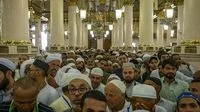
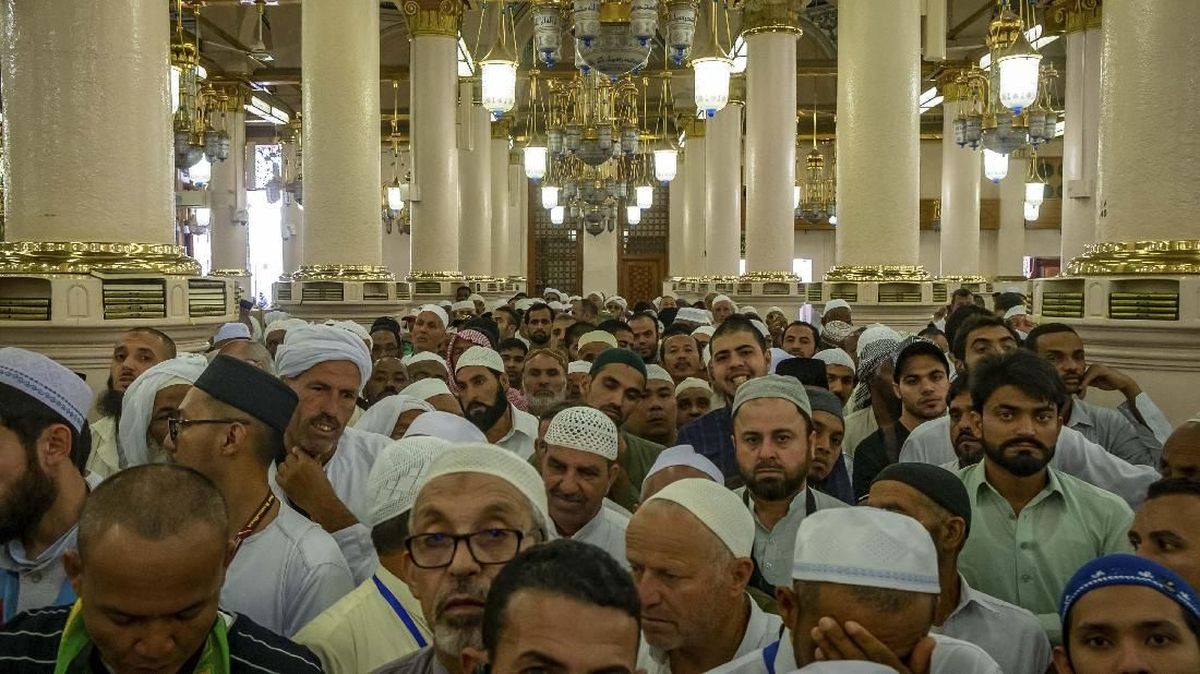
The Raudhah, an area within the hallowed precincts of the Prophet’s Mosque in Medina, Saudi Arabia, holds a profound spiritual significance in Islam, often referred to as a ‘Garden of Paradise.’ This esteemed location consistently draws vast numbers of pilgrims, particularly during the Hajj and Umrah seasons, who aspire to engage in prayer and devotion within its sacred confines. Understanding the specific acts of worship and supplications suitable for the Raudhah is crucial for pilgrims seeking to maximize their spiritual experience amidst the serene yet often crowded atmosphere.
Understanding the Significance of the Raudhah
Linguistically, "Raudhah" translates to "garden." In the context of the Prophet’s Mosque, it specifically designates the space situated between the Prophet Muhammad’s tomb and his pulpit (minbar). This particular stretch of land is imbued with exceptional merit, as indicated by a widely cited hadith from the Prophet Muhammad (peace be upon him), which states that the area between his house and his minbar is one of the gardens of Paradise. This divine endorsement fuels the deep reverence and desire of Muslims worldwide to perform acts of worship in this blessed spot.
The overwhelming popularity of the Raudhah means that pilgrims often face significant time constraints and crowded conditions. Therefore, a nuanced approach to devotion, focusing on meaningful practices that respect the sanctity of the space and the presence of fellow worshippers, is essential. Pilgrims are encouraged to prepare beforehand, both spiritually and practically, to make the most of their limited time in this blessed area.
Recommended Devotional Practices in the Raudhah
Drawing from Islamic scholarly traditions and pilgrim accounts, several devotional practices are particularly recommended for individuals within the Raudhah:
1. Tahiyatul Masjid (Salutation of the Mosque) Prayer
Upon entering any mosque, it is a Sunnah (practice of the Prophet) to perform two rak’ahs of prayer as a greeting to the mosque. This practice is especially encouraged in the Raudhah. The intention for this prayer is as follows:
Arabic:
"Ushalli sunnata tahiyyatil masjidi rak’ataini adaa’an lillahi ta’aalaa."
English Translation:
"I intend to pray two rak’ahs of the Sunnah prayer of greeting the mosque, for the sake of Allah the Almighty."
Given the high volume of pilgrims, it is advisable to perform these two rak’ahs with the recitation of shorter Surahs (chapters) from the Quran. This ensures that the prayer is completed efficiently, allowing others who are waiting to also have the opportunity to pray in this sacred space without undue delay. The brevity of the prayer also allows for greater focus on the spiritual essence of the act, rather than on elaborate recitation.
2. Abundant Dhikr and Supplication (Du’a)
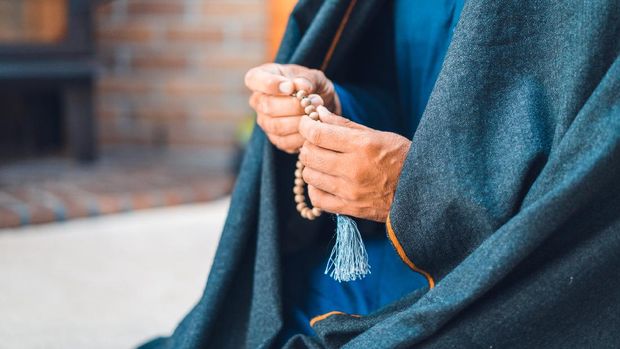
Following the Tahiyatul Masjid prayer, pilgrims are encouraged to engage in extensive remembrance of Allah (Dhikr) and to offer personal supplications (Du’a). The Prophet’s Mosque, and specifically the Raudhah, is a place where prayers are believed to be readily accepted.
One widely recommended supplication, often recited in the Raudhah, is:
Arabic:
"Bismillah wa’alaa millati rasulillaahi. Rabbi adkhilnii mudkhala shidqin wa akhrijnii mukhraja shidqin waj’al lii min ladunka sulthaana nashiiraa. Allaahumma shalli ‘alaa sayyidina Muhammadin wa’alaa aali sayyidina Muhammadin, waghfir lii dzunuubii waftah lii abwaaba rahmatika wa adkhilni fiihaa yaa arhamar raahimiin."
English Translation:
"In the name of Allah, and upon the way of the Messenger of Allah. My Lord, cause me to enter a sound entrance and to exit a sound exit, and grant me from Your presence a supporting authority. O Allah, bestow blessings upon our master Muhammad and upon the family of our master Muhammad. Forgive my sins, open for me the doors of Your mercy, and admit me into them, O Most Merciful of the merciful."
This comprehensive prayer encompasses seeking righteous entry and exit, requesting divine support, invoking blessings upon the Prophet and his family, seeking forgiveness for sins, and imploring Allah for His mercy. The act of reciting such prayers in the Raudhah is considered a profoundly spiritual experience, connecting the pilgrim directly with the divine presence and the legacy of the Prophet.
Historical and Spiritual Context
The Prophet’s Mosque itself, established in the first year of the Hijrah (622 CE) by the Prophet Muhammad, is the second holiest mosque in Islam after the Masjid al-Haram in Mecca. Its expansion and development over centuries reflect its enduring importance. The Raudhah, as a specific part of this mosque, has been a focal point of devotion since the time of the Prophet.
During the Hajj season, which typically falls in the lunar month of Dhu al-Hijjah, and the Umrah pilgrimage, which can be performed year-round, millions of Muslims converge in Medina. The period leading up to and following the Hajj is particularly significant for visiting the Prophet’s Mosque. For instance, in 2023, Saudi Arabia reported hosting over 1.8 million pilgrims for Hajj, with many spending considerable time in Medina. While specific figures for Raudhah visitation are not granularly tracked, the sheer volume of pilgrims suggests that access is a highly sought-after experience.
The spiritual atmosphere of the Raudhah is often described as palpable. Pilgrims report feelings of tranquility, heightened devotion, and a deep sense of connection to the history and spiritual legacy of Islam. This emotional and spiritual resonance is a key factor in the persistent allure of the Raudhah.
Navigating the Crowds: Practical Considerations
The immense spiritual pull of the Raudhah, coupled with the physical limitations of the space, necessitates careful planning and adherence to mosque regulations. Saudi authorities manage crowd flow through designated entry and exit times, often segregating male and female pilgrims to ensure order and comfort.
- Timing: Pilgrims are advised to consult with their tour operators or mosque officials for the most current schedules for accessing the Raudhah. Early morning or late evening hours, outside of peak prayer times, might offer a slightly less congested experience, though this can vary significantly.
- Respectful Conduct: Maintaining a sense of humility, patience, and respect for other worshippers is paramount. Loud conversations, pushing, or any form of disruptive behavior are strictly discouraged. The focus should remain on personal devotion and seeking closeness to Allah.
- Personal Items: Pilgrims should carry only essential personal items. Large bags or excessive belongings can be cumbersome and may not be permitted in the crowded areas.
- Supplication Preparation: Having a few key Du’as or Quranic verses ready to recite can help maximize the limited time spent in the Raudhah, ensuring that the devotion is focused and meaningful.
Beyond the Raudhah: Other Devotional Acts in Medina
While the Raudhah is a primary focus, the entire Prophet’s Mosque offers numerous opportunities for worship and reflection. Pilgrims are also encouraged to:
- Perform Obligatory Prayers: The five daily prayers in congregation at the Prophet’s Mosque carry immense reward.
- Recite the Quran: Spending time in the mosque reciting the Holy Quran is a highly meritorious act.
- Attend Religious Lectures: The mosque often hosts lectures and lessons by scholars, providing opportunities for spiritual learning and guidance.
- Visit Other Significant Sites: Medina itself is rich in Islamic history. Sites like the Quba Mosque (the first mosque built in Islam), the Qiblatain Mosque (known for the change of Qibla), and the historic battlefields of Uhud offer further avenues for reflection and understanding of Islamic heritage.
The Broader Impact and Implications
The experience of visiting the Raudhah is more than just a ritualistic act; it is a deeply personal journey of faith that can have lasting spiritual and psychological effects on pilgrims. The profound sense of peace and connection experienced in such a sacred place often reinforces a pilgrim’s commitment to their faith and encourages them to lead a more spiritually fulfilling life upon their return home.
For the Kingdom of Saudi Arabia, managing the flow of millions of pilgrims to Medina and Mecca is a significant logistical and administrative undertaking. The continuous efforts to improve facilities, security, and crowd management reflect a commitment to facilitating the Hajj and Umrah experience for Muslims worldwide. These efforts also underscore the kingdom’s role as the custodian of Islam’s holiest sites and its responsibility to ensure a safe and spiritually enriching environment for all visitors.
The enduring significance of the Raudhah serves as a testament to the central role of the Prophet Muhammad and his legacy in the lives of Muslims. It remains a beacon of spiritual aspiration, drawing believers to seek divine blessings and a deeper connection with their faith in a place revered as a true garden of Paradise.
Related posts: