Toyota Motor Manufacturing Indonesia Graduates 76 New Professionals from AKTI to Strengthen National Automotive Industry Competitiveness

The landscape of Indonesia’s automotive manufacturing sector received a significant human capital boost as PT Toyota Motor Manufacturing Indonesia successfully graduated 76 new professionals from the Akademi Komunitas Toyota Indonesia. Held at the TMMIN Plant 1 campus in Karawang, West Java, the graduation ceremony for the institution’s tenth cohort marks another milestone in a decade-long corporate initiative designed to bridge the persistent gap between academic preparation and industrial requirements. This latest commencement brings the total number of skilled graduates produced by the academy to 429, reinforcing a robust talent pipeline feeding directly into the nation’s high-tech manufacturing ecosystem and its extensive network of supply chain partners.
The milestone event, celebrated under the resonant theme "From Learning to Leading: Empowering Future Industry Professionals," underscores the ongoing strategic alignment between corporate educational investments and the broader economic imperatives of the Indonesian government. As the domestic market evolves into a major regional hub for vehicle production and export, the demand for rigorously trained technical specialists has intensified. Through targeted vocational education frameworks, corporate institutions like AKTI are actively redefining how technical proficiency and industrial discipline are cultivated from the ground up, ensuring that local talent can seamlessly integrate into advanced manufacturing environments characterized by precision automation and global quality standards.
Chronology of Growth and Institutional Evolution
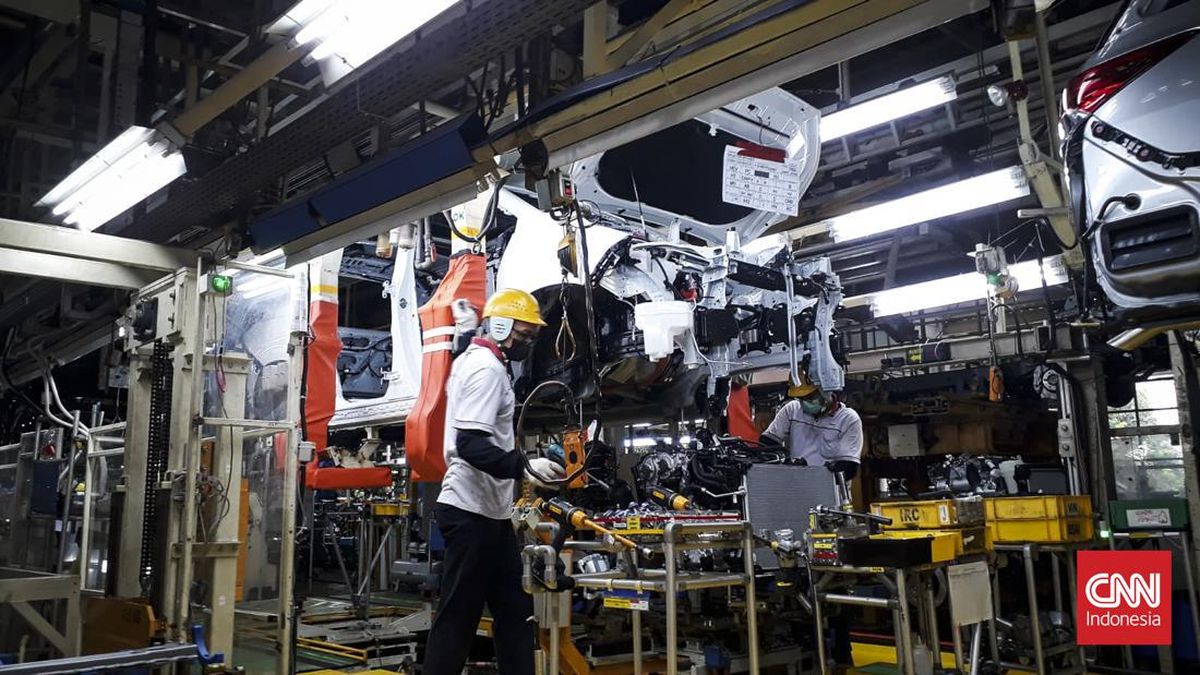
The genesis of the Akademi Komunitas Toyota Indonesia traces back to October 27, 2015, when TMMIN formally established the institution against a backdrop of accelerating industrialization and an acute shortage of specialized manufacturing technicians. Recognizing that standard academic curricula often failed to provide the hands-on expertise required in modern assembly plants, the manufacturer engineered a dual-system vocational framework combining rigorous classroom theory with intensive, floor-level practical training. Over the subsequent ten years, the academy expanded its academic offerings and refined its pedagogical approaches to reflect the rapid technological shifts transforming the global automotive industry, including the transition toward automation, digitalization, and advanced machinery maintenance.
The academic trajectory of the institution has steadily progressed from its inaugural cohort in 2016—which produced foundational technicians like Muhammad Safiq, who has since risen to the role of Team Leader at the TMMIN Engine Plant in Sunter—to the diverse graduating class of 2026. The most recent commencement recognized 44 graduates from the Diploma Two program in Four-Wheel Vehicle Assembly Operation, alongside 32 graduates from the Diploma One program in Automation Machine Maintenance. This structured curriculum ensures that each cohort is methodically prepared to handle the intricate mechanical, electrical, and operational challenges inherent in modern vehicle manufacturing facilities, thereby reducing the onboarding curve typically encountered by industrial employers.
Comprehensive Data and Employment Integration
A critical metric of vocational education success is the seamless transition of graduates into the active workforce, a domain where AKTI has maintained an exceptional performance record. To date, the academy has successfully placed 326 of its 429 total alumni directly into professional roles within TMMIN and 16 key supplier companies operating within the wider Toyota Indonesia supply chain network. This high absorption rate demonstrates the curriculum’s direct relevance to the operational needs of component manufacturers, tier-one suppliers, and final assembly operations alike. Furthermore, the vocational pipeline extends beyond domestic boundaries; a notable fraction of these skilled technicians have been selected for specialized overseas job assignments in nations with advanced automotive sectors, including the Philippines, Thailand, Malaysia, and Japan.
The global competitiveness of AKTI alumni is further validated by their performance on international vocational stages. At the highly competitive Asia Pacific Skill Contest held in Thailand, Indonesian participants consistently secure top accolades. In the 2025 iteration of the contest, academy alumni claimed prestigious gold medals in the Maintenance and Quality Control Engineering Suspension categories, as well as silver medals in Machining and Chassis Assembly. This winning streak continued into subsequent competitions, with alumni securing additional gold medals in the Press and Maintenance categories, complemented by a silver medal in Machining. These international achievements provide empirical proof that the technical competencies instilled in the Karawang campus meet or exceed rigorous global manufacturing benchmarks.
Official Insights and Strategic Leadership Perspectives
Addressing the graduating class and gathered industry stakeholders, PT Toyota Motor Manufacturing Indonesia President Director Nandi Julyanto emphasized that the corporate commitment to human resource development transcends standard corporate social responsibility initiatives. He characterized the academy as a long-term capital investment essential for maintaining the structural viability and competitive edge of the national automotive sector. According to leadership, the rapid evolution of mobility technologies means that technical proficiency alone is insufficient; future industry professionals must also internalize a rigorous corporate culture centered on safety, efficiency, continuous improvement, and uncompromising quality control.
"For TMMIN, building human resource quality is not a short-term program, but an investment to ensure the sustainability of the national automotive industry," stated Nandi Julyanto during his official address. He elaborated that the institution focuses heavily on establishing a strong foundation where students acquire not just mechanical dexterity, but a comprehensive understanding of international industrial standards and workplace ethos. Management firmly believes that channeling resources into human capital development today directly translates into the structural resilience and innovative capacity required by the manufacturing sector in the decades ahead.
The lived experience of institutional alumni corroborates these strategic objectives. Reflecting on his journey from an entry-level trainee to a frontline leader, Muhammad Safiq, an alumnus of the inaugural technical maintenance cohort, noted that the academy instills psychological and professional attributes that extend far beyond technical diagrams and machinery manuals. "AKTI not only provided technical skills, but also shaped the discipline, responsibility, and courage to continue learning," Safiq remarked. He credited his foundational training as the pivotal catalyst that enabled his progression from a maintenance technician to his current leadership responsibilities within the Sunter engine manufacturing facility, illustrating the tangible career pathways available to committed vocational graduates.
Broader Industry Implications and Economic Impact
The ongoing expansion and success of specialized technical institutions like AKTI carry profound implications for Indonesia’s macroeconomic landscape, particularly as the nation strives to position itself as a premier manufacturing powerhouse in Southeast Asia. The automotive sector is a capital-intensive industry that generates significant multiplier effects, supporting thousands of upstream material suppliers, downstream logistics providers, and secondary service economies. By systematically addressing the talent deficit through targeted vocational training, manufacturers can minimize their reliance on expatriate technical expertise while simultaneously elevating the domestic labor force into higher-value roles characterized by greater productivity and higher earning potential.
Moreover, as international automotive manufacturers face mounting pressures to adopt sustainable practices, digital integration, and advanced robotics, the educational models pioneered by corporate academies offer a blueprint for national educational reform. The integration of practical factory experience with classroom instruction ensures that graduates are immediately productive upon employment, thereby lowering operational training costs for the broader supply chain ecosystem. Ultimately, the sustained output of globally competitive technicians from institutions in Karawang and beyond serves as a vital anchor for Indonesia’s industrial ambitions, ensuring the domestic workforce remains resilient and adaptable in the face of rapid technological disruption.
Related posts: