The Strategic Ascent of Silver: A Dual-Purpose Metal Driving Investment and Industrial Innovation

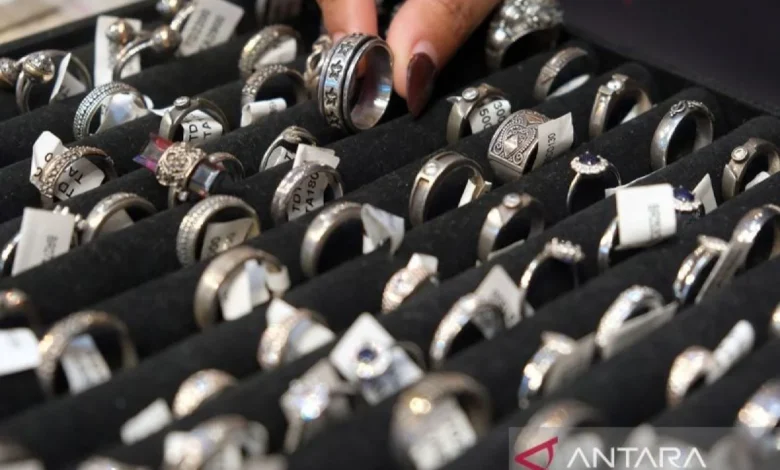
Beyond its lustrous appeal, silver has cemented its position as a strategically significant precious metal, increasingly recognized for its robust investment potential and indispensable role in a rapidly evolving technological landscape. Its popularity as an investment instrument continues to surge, fueled by a growing public awareness of its future profitability and its critical applications across numerous high-growth industries. For discerning investors, accessing silver as an asset is facilitated through various credible channels, including established financial institutions and specialized bullion vendors.
Understanding Silver: A Metal of Unique Properties and Enduring Value
Silver, scientifically designated as Ag (from the Latin argentum), is renowned for its distinctive metallic gray-white sheen and exceptional brilliance. More than just an aesthetic marvel, silver is a highly valued commodity due to its extraordinary physical and chemical properties. It boasts the highest electrical conductivity of all metals, making it an irreplaceable material in electronics, and holds the highest thermal conductivity among all elements, second only to diamond. Its remarkable malleability and ductility allow it to be drawn into fine wires or hammered into thin sheets without fracturing, making it highly versatile for manufacturing. These inherent characteristics underpin its economic value and its pivotal role in global trade and industrial production.
Historically, silver has occupied an esteemed position across civilizations. From its early use as ancient currency, facilitating commerce across empires, to its transformation into symbols of luxury and status among royalty in the form of intricate jewelry and opulent household items, silver’s journey through human history is rich and varied. Its intrinsic beauty and scarcity have long captivated societies, cementing its place not only as a medium of exchange but also as a cultural touchstone.
In the contemporary era of rapid digitalization and technological advancement, silver has undergone a significant transformation, evolving into a highly liquid financial asset with profound strategic importance. The burgeoning development of smart technology devices, artificial intelligence, and advanced robotics has precipitated an unprecedented surge in demand for silver. This escalating industrial requirement is a primary catalyst for the heightened interest in silver investment, with market analysts widely predicting continued strong growth in demand, inextricably linked to the world’s increasing reliance on future technological innovation.
The Dual Engine of Demand: Investment and Industrial Applications
Silver’s unique appeal stems from its dual nature as both a precious metal and an industrial commodity. Unlike gold, which is primarily a monetary and investment asset, a significant portion of annual silver demand originates from industrial applications, making its price dynamics influenced by both financial market sentiment and global economic growth, particularly within manufacturing and technology sectors.
Investment Drivers:
As an investment, silver often moves in tandem with gold, serving as a safe-haven asset during periods of economic uncertainty, geopolitical instability, or inflationary pressures. However, it exhibits greater volatility, often referred to as "poor man’s gold," offering potentially higher returns but also greater risk. Investors are drawn to silver for portfolio diversification, its tangible nature as a store of value, and its potential to act as a hedge against currency devaluation. The increasing awareness among retail and institutional investors about silver’s long-term growth prospects has bolstered its standing as a viable alternative or complement to gold in investment portfolios.
Industrial Consumption: The Unseen Powerhouse:
The industrial sector accounts for over half of annual silver consumption, far exceeding its use in jewelry or coinage. This industrial demand is a robust and growing component of the silver market, driven by its unparalleled properties.
- Electronics and Electrical Components: Silver’s superior electrical conductivity makes it indispensable in a vast array of electronic devices. It is used in electrical contacts and switches in virtually every electronic appliance, from smartphones and computers to household electronics and industrial machinery. Its application extends to printed circuit boards, conductors, and various components where reliability and efficiency are paramount. The miniaturization trend in electronics further emphasizes silver’s role, as smaller components require materials with exceptional conductive properties.
- Solar Energy (Photovoltaics): The renewable energy sector, particularly solar power, is a monumental driver of silver demand. Silver paste is a critical component in the manufacturing of crystalline silicon photovoltaic (PV) cells, which convert sunlight into electricity. Each solar panel contains a small amount of silver, and with the global push towards decarbonization and the exponential growth of solar energy installations, demand from this sector is projected to continue its steep upward trajectory. Reports from organizations like the Silver Institute consistently highlight solar as one of the fastest-growing end-uses for silver.
- Automotive Industry: The ongoing transition to electric vehicles (EVs) and advanced driver-assistance systems (ADAS) is significantly increasing silver consumption in the automotive sector. EVs contain substantially more silver per vehicle than traditional internal combustion engine (ICE) cars due to their extensive electronic systems, battery management units, sensors, and electrical connections. Silver is used in crucial components like battery connections, infotainment systems, seat controls, and numerous sensors that enhance vehicle safety and performance. As the global automotive fleet electrifies, this sector will exert considerable pressure on silver supply.
- Medical and Healthcare: Silver’s potent antimicrobial properties have made it invaluable in medical applications. It is incorporated into wound dressings, catheters, and surgical instruments to prevent infections. Nanotechnology has further expanded its use, with silver nanoparticles being integrated into various products for their antibacterial and antiviral efficacy, ranging from water purification systems to textiles.
- Brazing and Soldering: Silver alloys are widely used in brazing and soldering due to their strength, ductility, and ability to create strong, leak-tight joints. These applications span various industries, including plumbing, refrigeration, and aerospace.
- Photography (Historical Significance): While largely supplanted by digital technology, silver halide crystals were the cornerstone of traditional photographic film and paper for over a century. This historical demand segment, though diminished, underscores silver’s unique light-sensitive properties.
Investment-Grade Silver: Purity is Paramount
For investors, especially those new to the precious metals market, a clear understanding of investment-grade silver is crucial. Not all forms of silver are created equal when it comes to their suitability as an investment vehicle. The primary determinant of investment quality is purity.
Fine Silver (0.999 Purity): The Investor’s Standard
The most highly recommended form for silver investment is fine silver, often referred to as 0.999 pure silver, meaning it contains 99.9% pure silver with minimal traces of other metals. This includes silver in the form of bars, coins, rounds, and grains. The extremely high concentration of silver ensures its value is directly tied to the spot price of the metal, making it an ideal asset for long-term wealth preservation and capital appreciation.
However, this high purity also means fine silver is relatively soft and susceptible to scratches or dents. This characteristic is why it is rarely used in its pure form for everyday jewelry, as it would not withstand the rigors of regular wear. Its softness is a trade-off for its high intrinsic value as an investment commodity.
Sterling Silver (0.925 Purity): The Jeweler’s Choice
In contrast, the silver commonly encountered in jewelry and silverware is typically sterling silver. This alloy consists of 92.5% silver and 7.5% other metals, most commonly copper or nickel. The addition of these base metals significantly enhances the silver’s hardness, durability, and resistance to tarnish, making it much more suitable for crafting intricate and long-lasting wearable items and decorative objects.
While sterling silver jewelry can be collected for its aesthetic or sentimental value, its appeal as a pure investment instrument is generally lower compared to fine silver bullion. The reduced silver purity means its intrinsic metal value is less, and the overall price often includes substantial fabrication costs, design premiums, and retailer markups, which do not contribute to its investment-grade metal content. Therefore, when evaluating silver as an investment, the maxim holds true: the higher the purity, the more ideal the asset for capital preservation and growth. This principle applies equally to gold and silver, where bullion bars or high-purity coins are consistently favored over jewelry for long-term investment strategies. This does not preclude the possibility of certain antique or designer silver jewelry pieces appreciating in value due to their artistic or historical significance, but their primary value driver shifts from commodity price to collectible or artistic worth.
Accessible Avenues for Silver Investment
For individuals looking to incorporate silver into their financial portfolios, there are several distinct methods, each offering varying levels of direct ownership, liquidity, and risk profiles.
-
Physical Silver (Bullion): This is the most direct way to invest in silver, offering tangible ownership of the metal.
- Silver Bars/Ingots: Available in a range of sizes, from small one-ounce bars to large 1,000-ounce industrial bars. Bars typically have lower premiums over the spot price compared to coins, making them cost-effective for larger investments. They are favored by institutional investors and those seeking maximum silver exposure per dollar invested.
- Silver Coins: Government-minted bullion coins, such as the American Silver Eagle, Canadian Silver Maple Leaf, Austrian Philharmonic, or Mexican Libertad, are popular. These coins are legal tender in their respective countries, which adds a layer of authenticity and trust. They often carry slightly higher premiums due to their government backing, intricate designs, and collectibility, but they are highly liquid and easily recognizable globally.
- Silver Rounds: Privately minted by various refiners, rounds are similar in size and weight to government coins but do not hold legal tender status. They often feature diverse designs and generally have lower premiums than government-issued coins, appealing to investors seeking cost-efficiency.
- Storage Considerations: Investing in physical silver necessitates secure storage solutions. Options include home safes, safe deposit boxes at banks, or professional vaulting services offered by specialized bullion dealers or third-party custodians. Each option presents different levels of security, accessibility, and cost.
-
Silver Exchange-Traded Funds (ETFs): For investors seeking exposure to silver prices without the complexities of physical storage or insurance, ETFs offer a convenient solution. These funds hold physical silver or silver derivatives and trade on stock exchanges like regular stocks.
- Pros: High liquidity, ease of trading, diversification within a portfolio, and elimination of physical storage concerns.
- Cons: Investors do not directly own physical silver, exposing them to counterparty risk (the risk that the fund issuer might default), and they incur management fees. The value of an ETF share may not perfectly track the underlying silver price due to tracking errors or fees.
-
Silver Mining Stocks: Investing in shares of companies involved in silver exploration, mining, and production can offer leveraged exposure to silver price movements. As silver prices rise, mining companies’ profitability can increase disproportionately, leading to greater stock appreciation.
- Pros: Potential for significant capital gains, dividends (from profitable companies), and exposure to the operational efficiencies of a well-managed company.
- Cons: Subject to company-specific risks (management decisions, operational challenges, geopolitical risks in mining regions, environmental regulations) in addition to commodity price volatility. This method requires thorough due diligence on individual companies.
-
Silver Futures and Options: These are derivative contracts that allow sophisticated investors to speculate on future silver price movements without owning the physical metal. Futures contracts obligate the buyer to purchase, and the seller to deliver, a specific quantity of silver at a predetermined price on a future date. Options provide the right, but not the obligation, to buy or sell silver at a specific price.
- Pros: High leverage potential, allowing for significant gains from relatively small price movements.
- Cons: Extremely high risk due to leverage, requiring a deep understanding of market dynamics and risk management strategies. Not recommended for novice investors.
Market Dynamics and Influencing Factors
The price of silver is influenced by a complex interplay of supply and demand factors, macroeconomic indicators, and investor sentiment.
- Supply: Global silver supply primarily comes from mine production, with Mexico, Peru, China, and Australia being major producers. A significant portion of silver is also produced as a byproduct of mining other metals like copper, lead, and zinc. Recycling, particularly from industrial scrap and old jewelry, also contributes to the supply. Disruptions in mining operations (e.g., labor strikes, political instability, environmental regulations) can significantly impact supply.
- Demand: As discussed, demand is bifurcated between industrial applications and investment/jewelry. Fluctuations in global manufacturing output, technological advancements, and consumer spending on luxury items directly affect demand.
- Economic Factors: The strength of the U.S. dollar, interest rates (as silver, like gold, offers no yield and thus becomes less attractive when interest rates rise), inflation expectations, and overall global economic health all play a crucial role. A weaker dollar typically makes silver more affordable for international buyers, boosting demand.
- Gold/Silver Ratio: This ratio, which indicates how many ounces of silver it takes to buy one ounce of gold, is closely watched by investors. Historically, the ratio has fluctuated, and deviations from its long-term average can signal potential opportunities for arbitrage or indicate undervaluation/overvaluation of one metal relative to the other.
The Outlook for Silver: A Future Forged in Innovation
The long-term outlook for silver remains compelling, largely driven by its pivotal role in the global transition towards a more sustainable and technologically advanced future. Analysts and industry reports, such as those from the Silver Institute, consistently project robust demand growth from critical sectors like solar energy, electric vehicles, 5G technology, and various forms of artificial intelligence and the Internet of Things (IoT). These technologies are not merely trends; they represent fundamental shifts in global infrastructure and consumption patterns, for which silver is an irreplaceable component.
As awareness of silver’s intrinsic value and its strategic industrial utility continues to spread among investors, its appeal as both a hedge against economic volatility and a growth-oriented asset is expected to intensify. While gold often captures headlines as the premier precious metal, silver’s dual nature offers a unique investment proposition, blending the traditional safe-haven characteristics with the dynamic growth potential linked to industrial innovation. For investors aiming for long-term stability and diversification, high-purity silver bullion remains the gold standard, promising continued relevance in a world increasingly reliant on its unique properties.
Related posts: