The Resurgence of Analog Media: Why Generation Z is Rediscovering Physical Music Formats in a Digital World

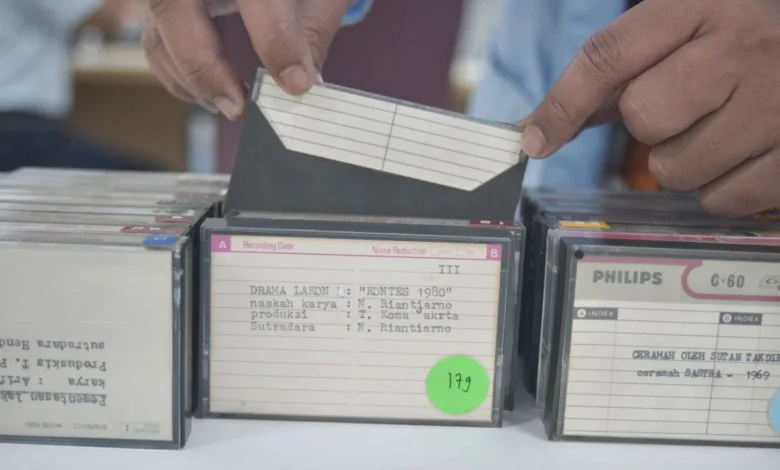
In an era defined by the seamless convenience of cloud-based music streaming, a paradoxical trend has emerged: Generation Z and younger Millennials are increasingly turning toward the tactile, imperfect, and decidedly analog artifacts of the past. From the hiss of a cassette tape to the deliberate drop of a phonograph needle on a vinyl record, the physical music industry is experiencing a robust resurgence. According to data from the Recording Industry Association of America (RIAA), CD sales in the United States hit 17.5 million units in the first half of 2026, marking a significant increase from the 12 million units recorded during the same period in 2025. This pivot back to hardware, alongside the enduring popularity of vinyl and the surprising revival of compact cassettes, suggests that the relationship between consumers and their media is undergoing a profound structural shift.
The Chronology of a Digital-Analog Hybridity
The dominance of digital streaming services, which began in earnest during the mid-2010s, initially decimated the market for physical media. Retail chains shuttered, and the production of physical albums was relegated to a niche collector’s market. However, by 2020, the industry began to notice a shift. As the COVID-19 pandemic forced populations into extended periods of domestic isolation, the desire for tangible hobbies grew.
By 2023, the growth of vinyl had transitioned from a "vintage fad" to a consistent revenue stream for major labels. The year 2026 has served as a turning point, where the "other physical" category—encompassing cassette tapes and obscure formats—surged by over 70 percent. This growth trajectory indicates that physical media is not merely a nostalgic curiosity but a deliberate consumer choice integrated into a digital lifestyle.
Data-Driven Insights into the Physical Resurgence
The RIAA figures provide a stark contrast to the prevailing narrative of total digital saturation. While streaming remains the primary revenue engine for the music industry, the "physical layer" of the market is providing essential stability. The 2026 mid-year data reveals that physical formats—CDs, vinyl, and tapes—now account for a significant percentage of music revenue that analysts previously deemed unsustainable.
Market researchers note that this is not a zero-sum game. The vast majority of consumers who purchase a CD or a cassette are also active subscribers to platforms like Spotify, Apple Music, or Tidal. The acquisition of physical media serves a different psychological and practical function than the subscription model. While streaming is utilized for discovery and convenience, the physical purchase is an act of curation and commitment.
Why the Younger Generation is Buying "Obsolete" Tech
The decision by a 20-year-old to purchase a cassette player—often a device manufactured before they were born—is driven by a complex interplay of aesthetics, psychology, and a rejection of the "disposable" nature of digital content.
The Tangibility Factor
Digital music is ephemeral; it exists as a stream of data in the cloud, tethered to a subscription license. If a licensing agreement between a platform and a label expires, that music can vanish from a user’s library. Physical media offers a sense of permanence. The act of unwrapping a CD, reading the liner notes, and physically placing the disc into a player forces the listener to be present. This "intentional listening" is a direct counter-movement to the "background noise" culture fostered by algorithmic, infinite-shuffle playlists.
Identity and the "Shelfie" Culture
In the digital age, identity is often curated on social media platforms. A physical collection of music—displayed on a shelf in one’s bedroom—serves as a physical manifestation of a person’s taste. It is a visual representation of their personality, signaling belonging to specific subcultures. This "shelfie" culture has turned album artwork and packaging into a design-led product. Musicians, particularly in the K-pop industry, have mastered this by including "photocards" and collectibles with their physical releases, effectively gamifying the purchasing process.
The Aesthetic of Retro-Tech
The "retro-tech" aesthetic is not just about the music; it is about the hardware. Translucent electronics, mechanical buttons, and the warm, slightly distorted sound of analog recording are viewed by Gen Z as having "soul." In a world of sleek, touch-screen-only devices, the mechanical click of a tape deck or the weight of a vinyl record provides a sensory feedback loop that is entirely absent in modern technology.
The Role of Independent Artists and Small Labels
While mainstream pop acts drive volume, independent artists have been the primary innovators in the analog revival. Labels such as those releasing limited-run cassettes for indie-pop or experimental artists have fostered a dedicated community of listeners. For these artists, the physical format acts as a piece of merchandise that helps bridge the financial gap created by the negligible per-stream payouts of digital platforms. Supporting a favorite artist by buying a physical copy is often viewed by fans as a direct, moral act of patronage.
Broader Implications for the Music Industry
The implications of this trend are significant for the music business model. Retailers, who had previously converted their music sections into general merchandise zones, are now seeing the value in re-investing in dedicated music sections.
Furthermore, the environmental impact of physical media is being re-evaluated. While physical production has a carbon footprint, it also encourages a "slow consumption" model. Instead of streaming thousands of songs in a week—a process that requires constant data center energy—a collector might listen to a single record repeatedly, deepening their appreciation for the artist’s work.
Analysis: A Complementary, Not Competitive, Future
Industry analysts argue that we are entering a "hybrid era." The fear that streaming would kill the album format has been proven incorrect; instead, it has transformed the album into a premium product. The convenience of digital is now the baseline, while the physical format has become the luxury experience.
This shift also reflects a broader societal reaction against the "everything, everywhere, all at once" pace of the digital economy. Just as the resurgence of film photography and the popularity of physical books continue to grow alongside digital alternatives, music has joined the ranks of analog hobbies that offer a reprieve from screen time.
Conclusion: More Than Just Nostalgia
The resurgence of analog media is often mislabeled as mere "nostalgia." However, for many young buyers, it is a discovery, not a return. They are engaging with these formats for the first time, unburdened by the memory of the frustrations that led the previous generation to embrace digital files.
As we look toward the remainder of 2026 and beyond, the music industry must acknowledge that the consumer’s desire for the physical is not a temporary trend, but a fundamental human need for touch, permanence, and identity in a virtual landscape. The success of CDs and cassettes is a testament to the fact that when music is treated as a piece of art rather than a utility, the audience responds with investment, loyalty, and passion. The "analog revolution" is not an attempt to turn back the clock; it is a sophisticated, modern way of finding depth in a world that is becoming increasingly shallow. As long as artists continue to provide high-quality physical releases, the record store, the cassette rack, and the vinyl crate will remain vital components of the global music ecosystem, standing firm alongside the ubiquitous, yet intangible, world of the digital stream.