When checking into a contemporary hotel, guests are frequently greeted by interior design choices that diverge significantly from traditional residential architecture. Beyond plush bedding, minimalist furniture, and ambient lighting, one particular architectural trend consistently captures the attention, and occasionally sparks the curiosity or amusement, of travelers worldwide: the transparent glass bathroom wall or door. While staying in a high-end urban suite or a newly constructed boutique property, guests often find themselves showering or preparing for the day in plain view of anyone sharing the room. This design choice prompts an inevitable question: Why do modern hotels universally adopt transparent glass for their bathroom enclosures? Far from being a mere aesthetic whim or a fleeting design fad, the integration of glass into hotel bathroom architecture is a deliberate calculation rooted in spatial psychology, structural efficiency, lighting optimization, cleaning logistics, and contemporary hospitality trends.
To understand the proliferation of glass-walled bathrooms in the global hospitality sector, one must examine the evolution of interior architecture over the past several decades. Historically, hotel room design prioritized rigid separation between functional zones. The sleeping area, the working desk, and the sanitation facilities were strictly compartmentalized behind solid, opaque walls and heavy wooden doors. However, as urbanization accelerated and real estate values in major metropolitan areas surged, hotel developers faced the economic reality of shrinking room sizes. Space optimization transformed from a luxury into an absolute necessity. Designers needed to devise innovative methods to make compact guest rooms feel expansive, airy, and luxurious without physically expanding the square footage, which would inherently drive up construction costs and limit property capacity.
The architectural pivot toward transparent and translucent partitions began gaining significant traction in the early 2000s, coinciding with the rise of lifestyle and design-forward boutique hotels. Industry analysts note that brands such as W Hotels, CitizenM, and various luxury chains pioneered the open-plan concept to disrupt traditional, sterile hospitality environments. By replacing solid drywall with tempered glass, architects could dissolve the hard visual boundaries that traditionally fragmented a hotel room. This evolution marked a paradigm shift in how interior spaces were conceptualized, moving away from closed-box compartments toward fluid, interconnected environments where natural light and sightlines could flow unhindered across the entire suite.
Spatial Psychology and the Illusion of Scale
The primary and most pragmatic driver behind the glass bathroom trend is spatial psychology. In the hospitality industry, perceived space is often just as valuable to a guest’s comfort as actual square footage. When a guest enters a standard hotel room measuring twenty to thirty square meters, solid walls create abrupt visual dead ends, effectively cutting the room into smaller, claustrophobic segments. A solid wall separating the bedroom from the bathroom immediately truncates the field of vision, making both areas feel significantly smaller than they actually are.
By introducing a glass partition, the visual boundary is effectively eliminated. The eye travels continuously from the far wall of the bedroom, through the glass, and all the way to the back wall of the shower enclosure. This unbroken line of sight tricks the human brain into perceiving the overall room volume as vastly larger. Urban hotels, where space commands a severe financial premium, rely heavily on this optical illusion to elevate the perceived value of standard rooms. Guests occupying a compact room experience a subconscious sense of openness and freedom, mitigating the confinement often associated with dense city-center accommodations.
Maximizing Natural Light and Energy Efficiency
Beyond creating an illusion of space, transparent bathroom enclosures play a crucial role in architectural lighting design. In traditional room layouts, bathrooms were frequently tucked into the core of the building plan, far away from exterior windows. Consequently, these windowless washrooms relied entirely on artificial illumination, resulting in dark, cavernous spaces during daylight hours and necessitating continuous electricity consumption.
Glass walls act as architectural conduits for natural light. Large floor-to-ceiling windows in the main guest bedroom allow daylight to flood the sleeping quarters. When the dividing wall to the bathroom is made of glass, this sunlight penetrates deep into the core of the suite, illuminating the vanity, shower, and toilet areas naturally. During the daytime, guests can utilize the bathroom without immediately flipping on overhead lights. This reduction in energy consumption aligns with the broader sustainability and green-building initiatives increasingly adopted by major hospitality corporations worldwide. Furthermore, natural sunlight has been proven to enhance human mood, regulate circadian rhythms, and create a fresher, more hygienic ambiance within damp environments like bathrooms.
Elevating Aesthetics and Showcasing Luxury Hardware
In the competitive landscape of modern hospitality, interior aesthetics serve as a primary marketing tool. Guests frequently share photos of their hotel rooms on social media platforms, turning visual design into free, highly effective organic marketing. Glass bathroom enclosures contribute significantly to this visual appeal by projecting a sense of modernity, cleanliness, and minimalist luxury.
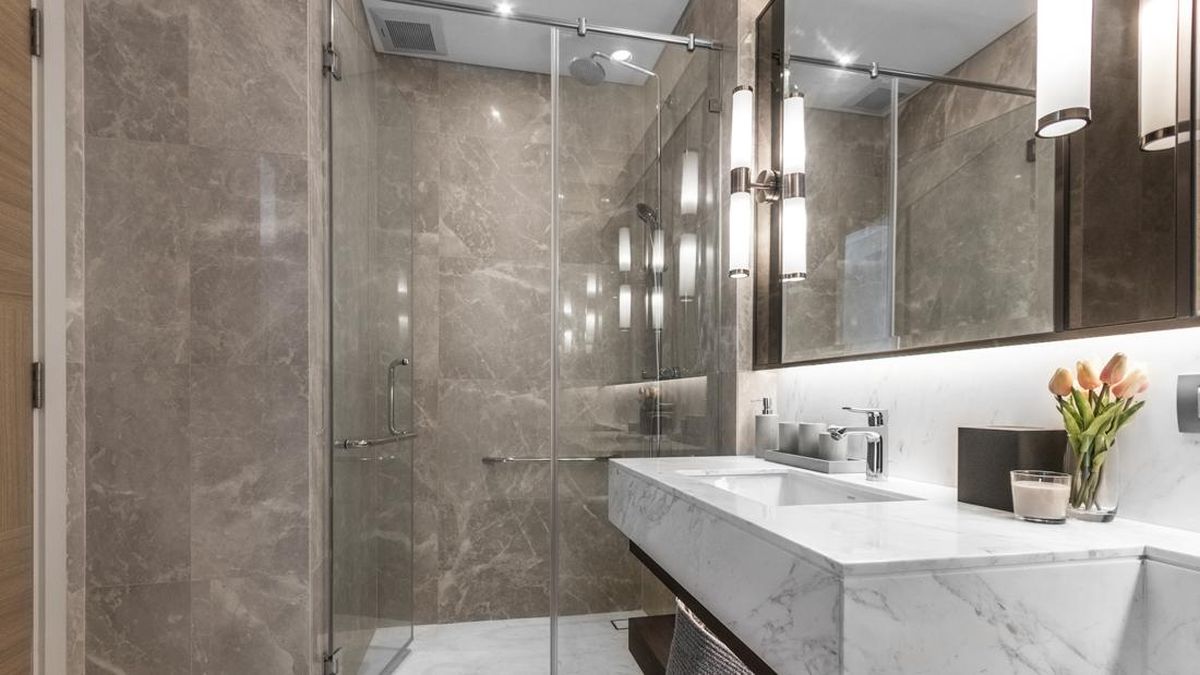
When a bathroom is encased in glass, the interior fixtures cease to be hidden utility items and instead become integral components of the room’s high-end decor. Premium rainfall showerheads, sculptural freestanding bathtubs, sleek designer faucets, and illuminated anti-fog mirrors are placed on display. Rather than hiding the plumbing behind drywall, hoteliers utilize these elements to signal quality, opulence, and attention to detail. The bathroom transforms from a purely utilitarian, utilitarian space into a showcase of contemporary interior design.
Operational Efficiency and Maintenance Logistics
While aesthetics and guest perception drive the conceptual phase of hotel design, operational realities dictate long-term implementation. Hotel operators constantly evaluate materials based on durability, maintenance costs, and housekeeping turnaround times. In this regard, glass outperforms traditional drywall and painted surfaces by a wide margin.
Traditional bathroom walls finished with standard paint or wallpaper are highly vulnerable to moisture damage, mold growth, and scuff marks generated by heavy guest turnover. Porous materials absorb humidity, leading to peeling paint, discoloration, and structural degradation over time. Furthermore, tiled walls require intensive scrubbing of grout lines, which accumulate soap scum, mineral deposits, and mildew.
Tempered glass, by contrast, is a non-porous material that is impervious to moisture. It does not warp, rot, or harbor mold. Housekeeping staff can sanitize large glass surfaces rapidly using standard squeegees and glass cleaners, significantly reducing room turnover times between guests. The absence of complex joints and tile grout minimizes areas where grime can accumulate, ensuring the room maintains a pristine, brand-new appearance for years under high-occupancy conditions.
Addressing the Privacy Paradox and Mitigation Strategies
Despite the clear architectural and operational advantages, transparent bathrooms are not universally embraced by all demographics of travelers. The primary critique leveled against the glass wall design centers on privacy. While solo business travelers or couples may appreciate the modern aesthetic, guests traveling with colleagues, friends, or family members often find the lack of visual isolation uncomfortable or awkward.
Hospitality designers and hotel operators have long been aware of this privacy paradox and have engineered several practical solutions to accommodate diverse guest preferences without abandoning the open-plan aesthetic. The most common intervention is the integration of switchable smart glass, also known as privacy glass. Utilizing polymer-dispersed liquid crystal technology, this specialized glass can transition from completely transparent to opaque frosted white at the flick of a switch, allowing guests to control their visual privacy instantly.
Other properties employ mechanical solutions, such as heavy blackout roller blinds, motorized curtains, or frosted window films installed on the exterior of the glass panel. Additionally, architectural layouts are frequently optimized so that only the shower or vanity is visible from the bed, while the toilet remains concealed behind a separate, fully opaque partition door within the bathroom enclosure.
Broader Implications and Industry Future
The widespread adoption of glass bathroom walls reflects a broader cultural and architectural evolution in how humans inhabit temporary spaces. The traditional boundaries separating rest, hygiene, and leisure are dissolving in favor of fluid, multifunctional environments that prioritize light, openness, and psychological well-being. As hotel brands continue to innovate in response to changing consumer expectations, the transparent bathroom has evolved from a daring architectural experiment into a mainstream standard of modern hospitality design. By balancing aesthetic ambition with functional pragmatism and adaptable privacy features, hoteliers have successfully redefined the spatial experience of the modern traveler.
Related posts: