Super Mario Galaxy Movie Dominates Box Office, "The Mummy" Debut Falls Short in North America


The Super Mario Galaxy Movie continues its reign at the North American box office, securing the top spot for its third consecutive weekend with an impressive $35 million in ticket sales. This latest installment from Universal Pictures and Illumination has solidified its position as this year’s highest-grossing film, accumulating a domestic total of $355.2 million and a global cume of $747.5 million. Industry analysts, as reported by Variety, suggest that the animated blockbuster is well on its way to breaching the coveted $1 billion mark worldwide, a testament to its broad appeal and enduring franchise power.
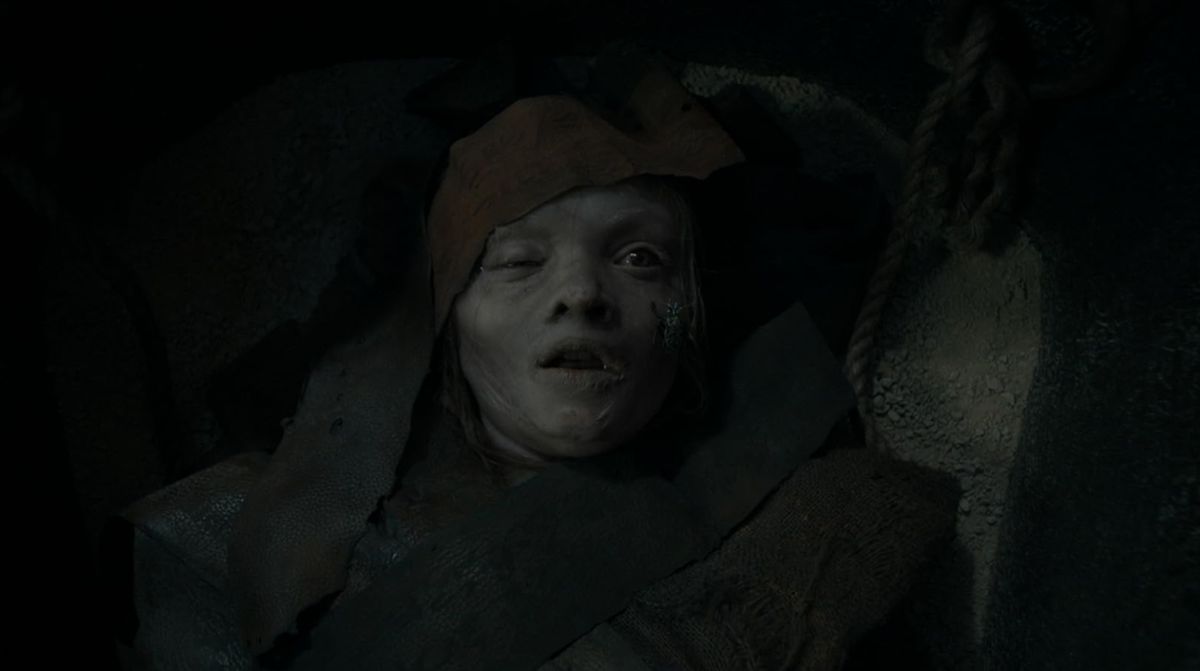
This overwhelming success for the Super Mario Galaxy Movie has presented a significant hurdle for newly released films, many of which are struggling to gain traction against its dominant performance. Among these newcomers is Lee Cronin’s take on "The Mummy," distributed by Warner Bros. and New Line. The film debuted in third place, managing to garner only $13.5 million in its opening weekend. This figure falls considerably short of expectations, especially considering its production budget of $22 million, which was deemed efficient, and the successful track record of its horror maestros, James Wan and Jason Blum.
Box Office Performance: A Tale of Two Debuts
The box office landscape this past weekend painted a clear picture of audience preferences. "The Super Mario Galaxy Movie" demonstrated remarkable staying power, exceeding projections and reinforcing its status as a cultural phenomenon. Its third-weekend earnings, while a slight dip from its previous weeks, still significantly outpaced its competition, highlighting the film’s broad demographic appeal, from families to nostalgic adult fans of the iconic video game franchise.
In contrast, "The Mummy," despite a strong marketing push and the pedigree of its producers, failed to capture the audience’s imagination. Its $13.5 million debut is particularly noteworthy when compared to Cronin’s previous directorial effort, "Evil Dead Rise," which opened to a more robust performance and went on to gross nearly $150 million globally. The underperformance of "The Mummy" raises questions about audience reception to the new iteration of the classic monster franchise and its ability to compete in a crowded cinematic marketplace.
Globally, "The Mummy" has managed to accrue $20.5 million from international markets, bringing its worldwide total to just over $34 million. While this offers a glimmer of hope, it is a far cry from the blockbuster status the studio likely envisioned.
Sustained Success and Steady Performers
Holding firm in second place for its fifth consecutive week was Amazon MGM Studios’ "Project Hail Mary." The science fiction adventure added another $20.5 million to its impressive domestic tally, bringing its total to $285.1 million. This sustained performance underscores the film’s strong word-of-mouth and critical acclaim, positioning it as a significant success for Amazon’s foray into major theatrical releases.
Further down the charts, the romantic comedy "The Drama," starring Zendaya and Robert Pattinson, secured the fourth position in its third week. The film added $4.8 million, pushing its cumulative domestic gross to $39.7 million. Its performance indicates a steady, albeit not explosive, audience engagement.
Rounding out the top five was Universal’s romantic comedy "You, Me & Tuscany." The film earned $3.8 million in its second weekend, bringing its total to $14.4 million. This performance suggests a more modest audience reach, typical for romantic comedies in the current market.
Context and Background: The Enduring Appeal of Mario and the Challenge for Classic Monsters
The triumphant performance of "The Super Mario Galaxy Movie" is not an isolated incident but rather a continuation of a trend that has seen beloved intellectual properties translate into massive box office success. The film’s narrative, which draws heavily from the rich lore and characters of the Nintendo universe, has resonated deeply with audiences of all ages. The meticulous animation by Illumination, known for its visually vibrant and family-friendly style, coupled with a well-crafted story that balances action, humor, and heart, has been a winning formula.
The success can also be attributed to the strategic marketing and the built-in fanbase that the Mario franchise commands. For decades, Mario has been a household name, and the transition to the big screen, particularly one that is critically and commercially acclaimed, was always going to be a significant event. The film’s ability to capture the spirit of the games while offering a compelling cinematic experience has been key to its sustained popularity.
Conversely, the underperformance of "The Mummy" highlights the challenges faced by classic monster franchises in the modern era. While "The Mummy" has a storied history in Hollywood, each new iteration faces the daunting task of not only appealing to a new generation of viewers but also differentiating itself from previous adaptations and competing with established cinematic universes like the Marvel Cinematic Universe (MCU) and the DC Extended Universe (DCEU).
The success of "Evil Dead Rise" for Lee Cronin demonstrated his ability to craft effective and terrifying horror experiences. However, "The Mummy" operates in a different genre space, aiming for a broader, more action-adventure-horror blend. The critical reception for "The Mummy" has been mixed, with some praising its visual effects and atmosphere, while others have criticized its narrative coherence and pacing. This lukewarm reception, combined with the overwhelming popularity of "The Super Mario Galaxy Movie," likely contributed to its subdued opening.
Analysis and Implications: Franchise Power and Shifting Audience Tastes
The box office results of this past weekend offer several key takeaways for the film industry. Firstly, the immense power of established franchises and beloved characters remains a dominant force. "The Super Mario Galaxy Movie" serves as a prime example of how well-executed adaptations can tap into existing nostalgia and create new fans, leading to substantial financial returns. This success will undoubtedly encourage further investment in similar IP-driven projects.
Secondly, the struggles of "The Mummy" underscore the difficulty of revitalizing classic monster properties without a clear, compelling vision that resonates with contemporary audiences. While the horror genre remains popular, each monster property must find its unique selling proposition to stand out. The underperformance suggests that simply relying on brand recognition may no longer be sufficient.
The sustained performance of "Project Hail Mary" also indicates a growing audience appetite for original science fiction stories with strong narratives and compelling characters. This provides a counterpoint to the reliance on established franchises, suggesting that well-crafted, original content can still find significant success.
Looking ahead, the continued dominance of "The Super Mario Galaxy Movie" is expected to hold through the coming weeks, barring any major new releases that can rival its appeal. The performance of "The Mummy" will be closely watched to see if it can gain momentum through positive word-of-mouth or if its initial performance portends a challenging theatrical run. The box office remains a dynamic landscape, constantly shaped by audience preferences, creative execution, and the ever-evolving nature of cinematic storytelling. The disparity in performance between these two major releases offers a compelling snapshot of the current trends and challenges within the global film industry.