Silver’s Rise: Unlocking the Potential of an Alternative Investment for Novices in a Volatile Economy

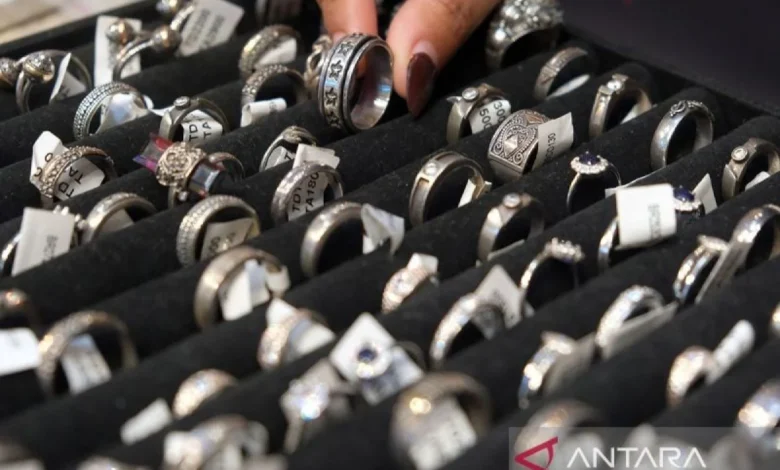
Jakarta (ANTARA) – While gold has long been revered as the quintessential precious metal investment, a significant shift is underway, with silver emerging as an increasingly compelling alternative, particularly for novice investors seeking to diversify their portfolios and hedge against economic uncertainties. Its relatively stable yet more accessible price point, coupled with a promising growth trajectory and inherent resilience to inflation, positions silver as a strategic asset in today’s dynamic financial landscape. This comprehensive guide delves into the multifaceted appeal of silver investment, offering practical strategies and critical insights for those embarking on their precious metal journey.
The Evolving Landscape of Precious Metal Investments
For decades, gold held an almost undisputed reign as the primary safe-haven asset and a cornerstone of precious metal investments. Its historical role as currency, its scarcity, and its perceived intrinsic value have cemented its status. However, recent global economic shifts, characterized by persistent inflationary pressures, geopolitical instability, and an accelerated transition towards green energy, have brought silver into a sharper focus. Investors are increasingly recognizing silver’s unique dual nature as both a monetary metal, akin to gold, and a critical industrial commodity, essential for a myriad of cutting-edge technologies. This dual demand profile lends silver a distinct advantage, providing both stability and growth potential that distinguishes it from its more celebrated counterpart.
Historically, the gold-silver ratio, which measures how many ounces of silver it takes to buy one ounce of gold, has fluctuated, but silver has consistently traded at a significant discount. In times of economic stress or industrial expansion, this ratio can narrow, indicating silver’s relative outperformance. For instance, while gold prices have seen substantial gains over the past two decades, silver has often demonstrated periods of even more dramatic percentage increases, albeit with higher volatility. Data from the World Silver Survey, an authoritative annual publication, consistently highlights robust demand for silver across industrial applications, jewelry, silverware, and physical investment, underscoring its broad market appeal. In 2023, global silver demand reached unprecedented levels, driven largely by its use in photovoltaics (solar panels) and other electronics, signaling a structural shift in its market dynamics.
Understanding Silver’s Unique Value Proposition
Several key attributes underpin silver’s growing attractiveness as an investment:
Affordability and Accessibility: Perhaps the most immediate appeal for beginners is silver’s affordability. Compared to gold, which often trades at prices exceeding $2,000 per troy ounce, silver typically ranges from $20-$30 per ounce, making it far more accessible for smaller investment budgets. This lower barrier to entry allows investors to accumulate physical assets incrementally, fostering a disciplined savings habit without requiring substantial upfront capital. This accessibility extends to various investment forms, from small physical bars and coins to digital holdings and exchange-traded funds (ETFs), catering to diverse investor preferences and financial capacities.
Industrial Demand Catalyst: Unlike gold, whose demand is predominantly driven by jewelry and investment, a significant portion of silver’s demand (over 50% historically) comes from industrial applications. Silver boasts the highest electrical and thermal conductivity of all metals, making it indispensable in electronics, solar panels, medical devices, and electric vehicles (EVs). The global push towards decarbonization and sustainable energy solutions has dramatically amplified the demand for silver in green technologies. Solar panel manufacturing, in particular, is a voracious consumer of silver, with projections indicating sustained growth in this sector for decades to come. As governments and industries worldwide commit to renewable energy targets, silver’s role as a critical component material will only strengthen, potentially driving its value higher. This industrial demand acts as a fundamental floor for its price and offers a unique growth catalyst that gold does not share to the same extent.
Inflation Hedge and Diversification: Precious metals, including silver, are traditionally viewed as excellent hedges against inflation. When fiat currencies lose purchasing power, real assets like silver tend to retain or even increase in value. This makes silver an invaluable tool for diversifying an investment portfolio, reducing overall risk by counterbalancing assets that might perform poorly during inflationary periods or economic downturns. Financial analysts often recommend allocating a portion of a portfolio to precious metals to enhance its resilience. Moreover, silver’s correlation with other asset classes, such as stocks and bonds, tends to be lower, meaning it often moves independently, providing genuine diversification benefits.
Promising Growth Potential: While silver prices can be more volatile than gold in the short term, its long-term growth potential is significant. Factors such as diminishing global silver reserves, increasing industrial demand, and speculative interest from investors contribute to its upward trajectory. Many market analysts project continued appreciation for silver, citing its undervalued status relative to gold and its pivotal role in future technologies. For instance, institutions like the Silver Institute consistently report on the ongoing supply deficits in the silver market, indicating that demand is outstripping mining output, a fundamental factor that supports higher prices over time.
Strategic Approaches for Beginner Silver Investors
For those ready to explore silver investment, a structured and informed approach is paramount. The following strategies are tailored to help novices navigate the market effectively:
1. Choosing the Right Form: Physical Silver (Bars vs. Coins)
The initial decision for physical silver investors involves selecting the form of silver. The two most common options are bullion coins and bars.
- Silver Bars: Available in various sizes, from 1 gram to 1,000 ounces, silver bars are often favored for their lower premium over the spot price of silver, especially in larger denominations. They are generally simpler to store due to their uniform shape. Reputable refiners like PT ANTAM in Indonesia or international mints such as PAMP Suisse, Valcambi, and Sunshine Minting produce high-purity (.999 fine or .9999 fine) silver bars, often accompanied by assay certificates guaranteeing their authenticity and purity. For beginners, smaller bars (e.g., 1 oz, 5 oz, 10 oz, 100g) offer a manageable entry point.
- Silver Coins: Bullion coins, such as the American Silver Eagle, Canadian Silver Maple Leaf, Austrian Philharmonic, or Australian Kookaburra, are popular for their legal tender status, government backing, and often intricate designs. While they typically carry a slightly higher premium due to minting costs and collector appeal, their recognizability and liquidity are often superior. Numismatic (collector) coins, though potentially offering higher returns, are more complex and speculative, making them less suitable for pure investment purposes for beginners. When choosing physical silver, consider factors like storage (safe deposit box, home safe), insurance, and potential resale ease.
2. Embracing Gradual Accumulation: Starting Small
As a beginner, it’s prudent to start with smaller denominations of silver, such as 1-gram to 10-gram pieces or 1-ounce coins. This approach allows for gradual accumulation, aligning investments with personal financial capacity without overextending. Investing in smaller quantities also facilitates dollar-cost averaging, a strategy where one invests a fixed amount of money regularly, regardless of the asset’s price. This minimizes the risk of buying at a market peak and smooths out the average purchase price over time. Furthermore, physical silver in smaller, divisible units offers greater flexibility should an investor need to sell a portion of their holdings.
3. Diligence in Sourcing: Identifying Reputable Dealers
Authenticity is paramount when investing in physical silver. It is critical to purchase from established and trustworthy producers or dealers. In Indonesia, PT ANTAM (Aneka Tambang) is a state-owned mining company whose precious metal products, including silver, are widely recognized for their quality and authenticity. Always opt for official outlets, authorized distributors, or highly-rated online bullion dealers. Key indicators of a reputable seller include:
- Certification: Products should come with an assay certificate or be from a recognized mint.
- Transparency: Clear pricing, return policies, and customer service.
- Accreditation: Membership in industry associations (e.g., LBMA for global standards).
- Reputation: Positive customer reviews and a long-standing history.
Conduct thorough due diligence to avoid counterfeit products, which are a persistent risk in the precious metals market.
4. Navigating the Digital Frontier: Investing in Digital Silver
For those prioritizing convenience and avoiding the complexities of physical storage, digital silver investment offers an attractive alternative. Various financial applications and platforms now allow investors to buy, sell, and store silver digitally. These platforms typically hold physical silver on behalf of their users in secure vaults, allowing for fractional ownership and instant transactions via a smartphone or computer.
- Benefits: High liquidity, no personal storage concerns, ease of tracking prices, and lower transaction costs compared to physical delivery.
- Considerations: Investors do not hold physical silver directly, so it’s essential to understand the platform’s terms of service, security protocols, audit processes, and the underlying assets backing the digital holdings. Ensure the chosen platform is regulated and has a strong track record of security and customer trust. Examples of such platforms include those offering precious metal accounts or integrated digital wallet services.
5. Structured Savings: Utilizing Accumulation Programs
Several financial institutions and precious metal dealers offer savings or installment programs for silver. These programs enable investors to consistently acquire silver by making regular, smaller payments, similar to a layaway plan. Over time, these consistent contributions build up a substantial silver portfolio without requiring a large initial capital outlay. This method instills financial discipline and is particularly beneficial for beginners who prefer a structured approach to wealth accumulation. Before joining such a program, carefully review the terms, fees, storage arrangements, and withdrawal options.
6. Diversifying with Financial Instruments: ETFs and Mutual Funds
For investors who prefer exposure to silver prices without the responsibilities of physical ownership or direct digital holding, exchange-traded funds (ETFs) and mutual funds focused on silver offer a viable route.
- Silver ETFs: These funds trade on stock exchanges and typically aim to track the spot price of silver by holding physical silver bullion or futures contracts. They offer high liquidity, allowing investors to buy and sell shares throughout the trading day. Examples include funds like iShares Silver Trust (SLV) or Aberdeen Standard Physical Silver Shares ETF (SIVR).
- Silver Mutual Funds: These funds invest in a diversified portfolio of companies involved in silver mining, refining, or related industries, or they might hold silver derivatives. They are managed by professional fund managers.
- Benefits: Professional management, diversification (in the case of mining company funds), and ease of trading through standard brokerage accounts.
- Considerations: ETFs and mutual funds come with expense ratios (management fees) that can eat into returns. Investors also face counterparty risk (the risk that the fund issuer may default) and do not directly own physical silver, which is a key distinction for those seeking true physical asset protection.
7. Informed Decision-Making: Monitoring Market Dynamics
To optimize investment outcomes, it is crucial to regularly monitor the factors influencing silver prices. While silver tends to appreciate over the long term, its price can exhibit significant short-term fluctuations due to a confluence of global industrial conditions, currency exchange rates, interest rate movements, and geopolitical events.
- Key Factors to Watch:
- Industrial Demand: Reports on manufacturing output, solar panel installations, and EV production.
- Monetary Policy: Interest rate decisions by central banks (e.g., US Federal Reserve) and the strength of the US dollar. A stronger dollar typically makes dollar-denominated commodities like silver more expensive for international buyers.
- Inflation Data: High inflation often boosts interest in precious metals.
- Supply and Mining Reports: Data on global silver production and new discoveries.
- Geopolitical Events: Conflicts or political instability can drive safe-haven demand.
Utilize reputable financial news sources, market analysis platforms, and economic calendars to stay abreast of these developments.
8. Comprehensive Risk Assessment: Understanding Silver’s Nuances
Before committing capital, a thorough understanding of silver investment’s inherent advantages and disadvantages is essential.
- Advantages: Inflation hedge, diversification, industrial demand, affordability, potential for significant capital appreciation.
- Disadvantages:
- Volatility: Silver’s price can be more volatile than gold’s, leading to greater short-term price swings.
- Storage Costs: For physical silver, secure storage solutions (safe deposit boxes, home safes) incur costs and require careful management.
- Premiums: Physical silver often trades at a premium over the spot price, especially for smaller denominations. This premium, along with potential selling fees (spread), can impact profitability.
- Liquidity: While generally liquid, selling large quantities of physical silver quickly at the spot price might be challenging without accepting a discount.
- No Yield: Unlike stocks or bonds, physical silver does not generate income (dividends or interest).
By conducting thorough research and developing a clear understanding of these nuances, beginners can formulate a realistic investment strategy that aligns with their risk tolerance and financial goals, thereby minimizing potential losses.
The Broader Implications and Future Outlook for Silver
Silver’s trajectory is increasingly intertwined with global sustainability efforts and technological advancements. Its critical role in the transition to renewable energy sources, particularly solar power, positions it at the forefront of the green revolution. As nations strive to meet ambitious climate targets, the demand for silver in solar panels, electric vehicles, and other green technologies is projected to surge, creating a robust long-term demand floor for the metal.
Furthermore, in an era of unprecedented national debt, quantitative easing, and potential currency debasement by central banks globally, the appeal of hard assets like silver as a store of value is amplified. Institutional investors, traditionally focused on mainstream financial instruments, are also beginning to re-evaluate their precious metals allocations, potentially driving greater capital inflows into silver. This increased institutional interest could further legitimize silver as a serious investment vehicle beyond its traditional retail base.
The interplay of monetary policy, industrial innovation, and geopolitical stability will continue to shape silver’s market dynamics. While short-term fluctuations are inevitable, the fundamental drivers—scarcity, industrial indispensability, and its role as an inflation hedge—suggest a promising long-term outlook for silver.
Conclusion: Empowering the Next Generation of Investors
The narrative around precious metal investment is expanding, with silver firmly establishing itself as a compelling alternative to gold, especially for beginners. Its affordability, strong industrial demand, and proven inflation-hedging capabilities make it an attractive asset for portfolio diversification and wealth preservation in an uncertain economic climate. By understanding the various investment forms, exercising due diligence in selecting reputable sources, and continuously monitoring market trends, novice investors can confidently embark on their silver investment journey. With a well-researched strategy and a disciplined approach, silver has the potential to become a cornerstone of a robust and resilient investment portfolio for the informed investor.
Related posts: