Minister of Public Works Confirms Bali’s Sekolah Rakyat Ready to Elevate Educational Standards in Karangasem


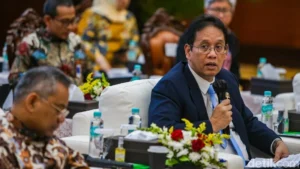
JAKARTA, Indonesia – The Sekolah Rakyat (SR) Provinsi Bali, a flagship educational complex designed to bolster access and quality of education in rural areas, has been officially declared ready to commence teaching and learning activities. The confirmation came from Minister of Public Works (PU) Dody Hanggodo following a direct inspection of the sprawling school complex in Karangasem Regency on Friday, July 17, 2023. While the primary facilities are deemed fully operational, Minister Hanggodo highlighted the need for minor, yet crucial, refinements to ensure an optimal learning environment for students and staff alike. This announcement marks a significant milestone in Indonesia’s ongoing commitment to equitable educational development across its vast archipelago.
Background on the Sekolah Rakyat Initiative: A National Vision for Education Equity
The Sekolah Rakyat, or People’s School program, represents a cornerstone of the Indonesian government’s strategy to democratize access to quality education, particularly in regions that have historically faced infrastructural and resource disparities. Rooted in the nation’s foundational principles of social justice and inclusive development, the SR initiative aims to provide modern, comprehensive educational facilities that can serve as hubs for community growth and intellectual advancement. The program gained renewed impetus in recent years as part of a broader national infrastructure development agenda, recognizing that robust educational infrastructure is a prerequisite for human capital development and long-term economic prosperity.
Historically, the concept of "Sekolah Rakyat" harks back to the early days of Indonesian independence, symbolizing a grassroots effort to educate the populace. The modern iteration, however, is a sophisticated, centrally-funded program, often involving significant investment in state-of-the-art facilities. These schools are typically designed to cater to multiple educational levels, from primary to senior secondary, and include extensive supporting infrastructure to create a holistic learning and living environment. The strategic placement of these schools in underserved areas is intended to mitigate challenges such as long commutes for students, lack of qualified teachers in remote locations, and the absence of adequate learning resources. By establishing integrated educational complexes, the government seeks to create attractive, high-quality learning environments that can retain both students and educators, thereby fostering sustainable educational ecosystems in rural and remote communities.
The Bali SR Project: A Beacon in Karangasem
The Sekolah Rakyat Provinsi Bali, situated on a substantial 5.67-hectare plot of land in Desa Tulamben, Kecamatan Kubu, Karangasem Regency, is one such ambitious project. Karangasem, located on the eastern part of Bali, is known for its majestic Mount Agung and rich cultural heritage, but like many rural regencies, it faces unique challenges in providing universal access to advanced educational facilities compared to more developed urban centers on the island. The construction of the SR in Tulamben is therefore poised to be a transformative intervention for the local community.
The project, which carries a substantial contract value of Rp255.5 billion (approximately USD 17.5 million, based on prevailing exchange rates at the time of the article’s context), underscores the magnitude of investment dedicated to enhancing educational infrastructure in the province. The comprehensive nature of the facilities reflects a forward-thinking approach to education. The complex is designed to house dedicated buildings for Primary School (SD), Junior High School (SMP), and Senior High School (SMA), ensuring a seamless educational pathway for students from early childhood to pre-university levels. Beyond academic blocks, the SR boasts a range of crucial supporting facilities: student dormitories, teacher apartments, a multipurpose hall for events and community gatherings, a modern canteen and kitchen, a place of worship, and extensive sports fields. These amenities are critical not only for academic instruction but also for fostering extracurricular development, student well-being, and community engagement. The inclusion of dormitories and teacher apartments, in particular, highlights an effort to address potential challenges of student access from remote villages within Karangasem and to attract and retain high-quality teaching staff to the region, providing them with comfortable and secure accommodation.
Ministerial Inspection and Directives for Operational Readiness
Minister Dody Hanggodo’s inspection on July 17, 2023, was a critical step in the final phase of the project, serving as a comprehensive review to ascertain the school’s readiness for its intended purpose. Accompanied by ministry officials and project contractors, the Minister meticulously toured the various sections of the complex, assessing the quality of construction, functionality of facilities, and overall preparedness. His findings, while largely positive, pointed to a pragmatic understanding that even advanced projects require final touches.
"Overall, the facilities and infrastructure are good," Minister Dody stated in an official release, acknowledging the high standard of construction achieved. However, he also identified specific areas requiring immediate attention: "What still needs to be addressed are some supporting facilities, such as puddles in the bathroom areas and the addition of trash bins." These seemingly minor issues are, in fact, crucial for maintaining hygiene, safety, and a conducive learning environment. Puddles can pose slip hazards and contribute to unsanitary conditions, while an adequate number of trash bins is fundamental for waste management and instilling habits of cleanliness among students.
Following his observations, Minister Hanggodo issued direct instructions to the service providers responsible for the project, urging them to promptly complete these identified refinements. This directive underscores the government’s commitment not just to constructing buildings but to delivering fully functional and high-quality educational spaces. Beyond the immediate construction tasks, the Minister also emphasized the importance of fostering a culture of responsibility among the school community. He appealed to the school administration to "accustom students to using school facilities correctly." This emphasis on proper usage is vital for the long-term sustainability and maintenance of the new infrastructure, ensuring that the substantial investment continues to serve generations of students effectively.
The Minister further clarified the phased approach to certain elements of the complex. While the main school buildings are deemed fully adequate for immediate teaching and learning processes, the completion of several other supporting structures will be carried out gradually. This phased development strategy is designed to align with evolving needs and the projected increase in student enrollment over time, ensuring resources are allocated efficiently and in response to actual demand. This flexible approach allows the school to begin operations with essential facilities while maintaining scope for future expansion and enhancement.
National Impact and the Broader Context of 82 Functional SRs
The Sekolah Rakyat Provinsi Bali is not an isolated endeavor but forms part of a larger national network. Minister Hanggodo’s statement that "nationally, there are currently 82 Sekolah Rakyat that are functional and used to support the organization of education" provides crucial context. This figure highlights the significant scale of the government’s commitment to this program across Indonesia. These 82 functional SRs are strategically distributed, often in regions identified as having critical educational needs, including remote islands, border areas, and post-disaster zones.
The widespread implementation of the SR program signifies a concerted effort to bridge the educational gap between urban and rural areas, reduce disparities in learning outcomes, and provide opportunities for students who might otherwise lack access to modern educational resources. Each functional SR represents a localized success story, contributing to national indicators such as increased enrollment rates, improved teacher retention in rural areas, and enhanced quality of teaching and learning through better facilities. The program is implicitly linked to Indonesia’s Sustainable Development Goal (SDG) 4, which aims to "ensure inclusive and equitable quality education and promote lifelong learning opportunities for all." By investing in comprehensive educational infrastructure, the government is laying the groundwork for a more educated and skilled workforce, which is essential for Indonesia’s long-term economic growth and global competitiveness. The success of these schools is monitored through various metrics, including student performance, teacher satisfaction, and community engagement, contributing to a continuous feedback loop for program improvement and expansion.
Implications for Karangasem and Bali’s Educational Landscape
The operational readiness of the Sekolah Rakyat Provinsi Bali carries profound implications for the Karangasem Regency and the broader educational landscape of Bali. For students in Desa Tulamben and surrounding villages, this school offers an unprecedented opportunity. Many might have previously faced long, arduous commutes to distant schools, or been limited by overcrowded and under-resourced local facilities. The new SR provides a state-of-the-art learning environment, complete with modern classrooms, laboratories, libraries, and digital resources, all within a comprehensive complex. This will undoubtedly enhance the quality of education they receive, foster a greater love for learning, and equip them with the skills necessary to compete in an increasingly complex world.
For teachers, the provision of well-equipped classrooms and comfortable teacher apartments could be a significant incentive, attracting highly qualified educators to a region that might otherwise struggle to recruit and retain talent. This influx of skilled educators, coupled with modern facilities, has the potential to elevate teaching standards and introduce innovative pedagogical approaches.
Beyond the immediate educational benefits, the SR project is also expected to have a broader socio-economic impact on Karangasem. The construction phase itself provided local employment opportunities, injecting capital into the local economy. In the long term, the school will act as a community anchor, potentially spurring local businesses and services that cater to the needs of students, staff, and visitors. The presence of a high-quality educational institution can also enhance the overall appeal and development potential of Desa Tulamben, encouraging further investment and growth. It signals a governmental commitment to developing all regions, not just the tourism-centric ones, fostering a more balanced provincial development.
Challenges and the Path Forward
While the declaration of readiness is a cause for celebration, the journey ahead for SR Provinsi Bali involves ongoing commitment and vigilance. The Minister’s emphasis on student responsibility for facility usage underscores the critical challenge of long-term maintenance and sustainability. Robust operational protocols, regular inspections, and sufficient budgetary allocations for repairs and upgrades will be essential to ensure the school’s facilities remain in pristine condition for decades to come. Engaging the local community, parents, and school management in these maintenance efforts will also be key to fostering a sense of ownership and collective responsibility.
Furthermore, the success of the school will not only be measured by its physical infrastructure but also by its academic outcomes. Developing a curriculum that is both nationally aligned and locally relevant, recruiting and continuously training high-quality teachers, and implementing effective pedagogical strategies will be crucial. The school must strive to become a center of excellence, nurturing not only academic prowess but also critical thinking, creativity, and civic responsibility among its students.
The phased completion of supporting buildings also presents an opportunity for adaptability. As the school enrolls its first cohorts of students, feedback can be gathered to inform the design and functionality of future facilities, ensuring they truly meet the evolving needs of the school community. This dynamic approach allows for a flexible and responsive development plan, optimizing the long-term utility of the entire complex.
Conclusion: A New Chapter for Education in Bali
The confirmation of the Sekolah Rakyat Provinsi Bali’s readiness marks a pivotal moment for education in the region. It stands as a testament to the Indonesian government’s unwavering dedication to providing equitable and high-quality educational opportunities for all its citizens, irrespective of their geographical location. With a substantial investment, comprehensive facilities, and a strategic vision, this new educational complex in Karangasem is poised to become a beacon of learning, transforming the lives of countless students, empowering local communities, and contributing significantly to the overall human capital development of Bali and the nation. As the final refinements are completed and the school prepares to open its doors, the anticipation is high for a new chapter of academic excellence and community growth in Desa Tulamben.