Fuel Consumption Habits Significantly Impact Vehicle Efficiency Beyond Engine Specifications


The efficiency of a vehicle’s fuel consumption is not solely dictated by the intricacies of its engine specifications. In the daily reality of driving, user habits and driving styles exert a profound influence on whether a vehicle is considered fuel-efficient or a gas guzzler. This understanding is crucial for motorists aiming to optimize their fuel expenditure and minimize their environmental footprint. While often overlooked, a series of common driving behaviors can lead to substantial increases in fuel usage.
The Subtle Science of Fuel Efficiency: Beyond the Mechanical
The automotive industry consistently strives for technological advancements to improve fuel economy. Innovations in engine design, aerodynamic profiling, and the development of hybrid and electric powertrains are testament to this pursuit. However, the most sophisticated engineering can be undermined by simple, everyday driving practices. Experts consistently highlight that for internal combustion engine vehicles, approximately 20-30% of fuel efficiency can be attributed to driver behavior. This percentage can fluctuate based on the specific vehicle, road conditions, and the intensity of the driver’s habits.
For instance, data from the U.S. Department of Energy’s FuelEconomy.gov website indicates that aggressive driving, characterized by rapid acceleration and hard braking, can increase fuel consumption by as much as 33% on the highway and 5% in city driving. This stark statistic underscores the critical role of the driver in the overall fuel economy equation.
Common Driving Habits That Drain Your Fuel Tank
Several prevalent driving habits, often perceived as minor or inconsequential, contribute significantly to increased fuel consumption. Understanding these behaviors and their underlying mechanisms is the first step towards adopting more economical driving practices.
The Perils of High-Speed Driving: "Doyan Ngebut"
The instinct to accelerate quickly and maintain high speeds, often referred to colloquially as "ngebut," directly correlates with increased fuel consumption. When a vehicle’s speed increases, its engine must work harder to overcome two primary forces: air resistance (aerodynamic drag) and rolling resistance from the tires.
Aerodynamic drag increases with the square of the vehicle’s speed. This means that doubling your speed can quadruple the force of air pushing against your car. To combat this escalating resistance, the engine needs to generate significantly more power, thereby burning a larger quantity of fuel. For example, driving at 70 mph instead of 55 mph can increase fuel consumption by 15-30%, depending on the vehicle’s aerodynamics.
The Counterintuitive Cost of Driving Too Slowly: "Mengemudi Terlalu Pelan"
Conversely, driving too slowly can also lead to inefficient fuel usage, particularly in vehicles equipped with automatic transmissions. When a car operates at speeds significantly below its optimal range, the transmission may shift to lower gears. In lower gears, the engine operates at higher revolutions per minute (RPM) for a given road speed, which requires more fuel to maintain that speed. While the effect is generally less pronounced than with aggressive acceleration, sustained slow driving in inappropriate gears can still lead to a noticeable increase in fuel consumption.
The Fuel-Intensive "Flooring It": "Tarik Gas Terlalu Cepat"
Abruptly stomping on the accelerator pedal, a habit known as rapid acceleration, floods the engine’s cylinders with an excessive amount of fuel. The engine’s management system interprets this sudden demand for power as a signal to inject more fuel than is actually necessary for the immediate acceleration required. This results in a significant waste of fuel, as a large volume of gasoline is combusted without a proportional increase in efficient propulsion.
Modern vehicles often incorporate features like "eco modes" or "cruise control" to mitigate this. Cruise control, in particular, is designed to maintain a consistent speed by automatically adjusting the throttle, preventing the driver from inadvertently over-accelerating or decelerating, thereby promoting more stable and fuel-efficient engine operation.
The Cycle of Energy Waste: "Sering Ngerem" (Frequent Braking)
Engaging the brakes is essentially an act of converting kinetic energy into heat, which is then dissipated and lost. Every time a driver brakes, they are negating the energy that was expended to achieve that speed. This is particularly inefficient when combined with aggressive acceleration. The pattern of accelerating rapidly and then braking hard creates a cycle of unnecessary work for the engine and a constant loss of momentum.
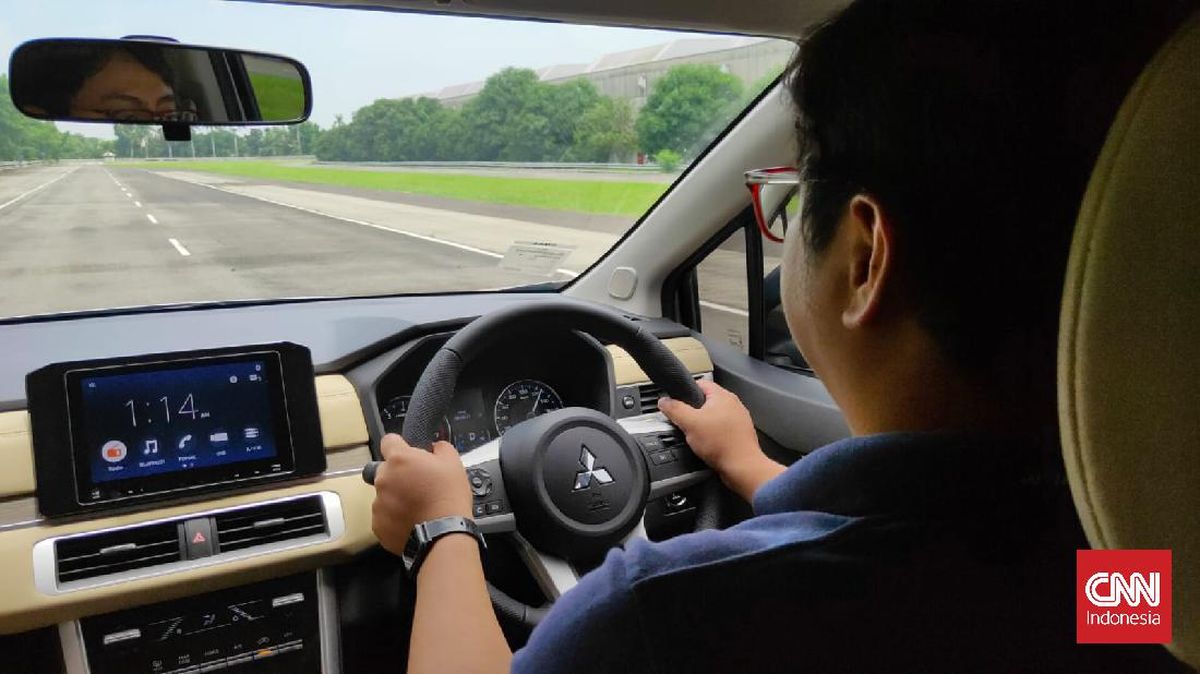
Consider a scenario where a driver accelerates to a high speed and then brakes sharply. The engine burned a considerable amount of fuel to reach that speed. The braking action then dissipates that energy, rendering the fuel consumption largely unproductive. The driver then needs to accelerate again, repeating the fuel-intensive process. This inefficient driving pattern, characterized by a stop-and-go rhythm, significantly increases fuel consumption. Studies suggest that smooth driving, anticipating traffic flow, and minimizing unnecessary braking can improve fuel efficiency by up to 10%.
The Criticality of Correct Fuel Choice: "Salah BBM" (Wrong Fuel)
Using the incorrect octane rating of gasoline can lead to reduced fuel efficiency. Vehicles are engineered with specific compression ratios, which dictate the type of fuel they are designed to use. For instance, a vehicle recommended to use premium gasoline with a higher octane rating (e.g., 95 RON in many regions) will experience suboptimal combustion if refueled with lower-octane gasoline (e.g., 90 RON).
Lower-octane fuels are more prone to premature detonation or "knocking" under high compression. The engine’s knock sensor will detect this and adjust the ignition timing to prevent engine damage. However, this adjustment typically results in reduced engine power and, consequently, lower fuel efficiency. Conversely, using a higher octane fuel than recommended generally offers no significant fuel economy benefit and can be a needless expense. It is crucial to adhere to the fuel specifications outlined in the vehicle’s owner’s manual.
The Unseen Resistance: "Ban Kurang Angin" (Underinflated Tires)
Tire pressure plays a critical, yet often overlooked, role in fuel efficiency. When tires are underinflated, they deform more significantly as they roll. This increased deformation leads to higher rolling resistance. The engine must exert more force to overcome this increased resistance, resulting in higher fuel consumption.
According to the National Highway Traffic Safety Administration (NHTSA) in the United States, maintaining proper tire pressure can improve gas mileage by up to 3%. For example, if a tire’s pressure is 10 psi below the recommended level, fuel economy can decrease by approximately 0.3% for every 1 psi drop in pressure across all four tires. Regular checks of tire pressure, ideally monthly and before long journeys, are a simple yet effective way to enhance fuel efficiency and ensure tire longevity.
The Burden of Excess Weight: "Beban Terlalu Berat" (Excessive Load)
Every additional kilogram of weight a vehicle carries requires more energy to accelerate and maintain speed. Carrying unnecessary items in the cabin or trunk, or exceeding the vehicle’s passenger capacity, adds to this burden. This can range from leaving heavy objects in the car for extended periods to overloading a roof rack.
A common rule of thumb suggests that for every 100 pounds of extra weight, fuel economy can decrease by 1-2%. While this might seem small, over time and across various driving conditions, it accumulates. For instance, a family on vacation, carrying luggage for multiple people, will naturally observe a decrease in fuel efficiency compared to their daily commute with only a driver. Removing unnecessary weight from the vehicle is a straightforward method to improve its fuel economy.
Broader Implications and a Call for Conscious Driving
The cumulative effect of these driving habits extends beyond the individual motorist’s wallet. Widespread inefficient driving practices contribute to increased overall fuel demand, impacting energy security and global oil prices. Furthermore, higher fuel consumption directly correlates with increased emissions of greenhouse gases and other pollutants, exacerbating environmental concerns such as climate change and air quality degradation.
The transportation sector is a significant contributor to carbon emissions globally. In 2022, for instance, transportation accounted for approximately 28% of total U.S. greenhouse gas emissions, with passenger cars and light-duty trucks being major sources. Promoting fuel-efficient driving habits is therefore not just an economic imperative but also an environmental responsibility.
Governments and automotive organizations worldwide are increasingly focusing on driver education programs to promote eco-driving techniques. These programs often emphasize the principles of smooth acceleration and braking, maintaining optimal speeds, anticipating traffic, and proper vehicle maintenance, including tire pressure and fuel selection. The adoption of these practices can lead to substantial savings for drivers and contribute to a more sustainable transportation system.
As vehicles continue to evolve with advanced technologies, it is essential to remember that the human element remains a critical factor in determining their real-world efficiency. By becoming more aware of our driving habits and making conscious choices to adopt more fuel-efficient practices, we can collectively make a significant positive impact on both our personal finances and the health of our planet. The journey towards greater fuel efficiency begins with the driver.