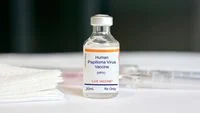
Human Papillomavirus (HPV) remains one of the most prevalent sexually transmitted infections globally, serving as the primary catalyst for cervical cancer and several other malignancies. While national health programs, including those led by the Indonesian Ministry of Health, have aggressively prioritized the administration of the HPV vaccine to school-aged children, a significant demographic remains unprotected: the adult population. Many individuals who missed the vaccination window during their adolescent years often wonder if the benefits of immunization persist once they have entered adulthood or have become sexually active.
Medical experts emphasize that while the optimal window for HPV vaccination is prior to the onset of sexual activity, the clinical utility of the vaccine does not evaporate upon reaching adulthood. According to Dr. Yudo Irawan, a specialist in dermatology, venereology, and aesthetics, the discourse surrounding adult vaccination is increasingly leaning toward a shared clinical decision-making model. This approach allows healthcare providers and patients to evaluate individual risk profiles, lifestyle factors, and the potential for long-term health benefits, effectively extending the protective umbrella of the vaccine to those up to 45 years of age.
The Scientific Context of HPV Vaccination
The HPV vaccine functions by stimulating the immune system to produce antibodies that neutralize the virus before it can cause cellular changes leading to pre-cancerous lesions or cancer. The virus itself is categorized into over 200 different types, with high-risk variants, such as HPV-16 and HPV-18, being responsible for the vast majority of cervical, anal, and oropharyngeal cancers.
In pediatric populations, the primary goal is "pre-exposure prophylaxis." By vaccinating children aged 9 to 12, health authorities aim to prime the immune system before the individual is exposed to any HPV strain. However, the misconception that vaccination is futile after sexual debut persists, despite clinical evidence suggesting otherwise. The complexity of the HPV family means that even if an individual has been exposed to one type of the virus, they remain susceptible to other high-risk strains covered by the multivalent vaccines currently available.
Chronology and Evolution of Vaccination Guidelines
The trajectory of HPV vaccination guidelines has evolved significantly over the past two decades. In the early 2000s, when the first HPV vaccines received regulatory approval, recommendations were strictly confined to adolescent females. As data emerged regarding the burden of disease in males—who can act as asymptomatic carriers and develop HPV-related cancers—the scope of vaccination expanded.
- 2006: The first HPV vaccine (Gardasil) is approved for females, targeting four strains of the virus.
- 2009: Clinical trials demonstrate the efficacy of the vaccine in males, leading to broader international recommendations.
- 2018: The United States Food and Drug Administration (FDA) expands the approved age range for the 9-valent HPV vaccine to include adults aged 27 through 45, recognizing that the benefit-risk ratio remains favorable for this group.
- Current Era: Health ministries worldwide, including Indonesia’s Kemenkes, have integrated HPV vaccination into national immunization schedules for school-aged children, aiming for herd immunity while continuing to support "catch-up" vaccination for older individuals.
Understanding Efficacy in Adults
A critical concern for adults is whether the vaccine provides "maximal" protection. Dr. Yudo Irawan clarifies that while the immune response in adults may be slightly different from that of a prepubescent child, the protective efficacy remains remarkably high—often exceeding 90 percent for the strains included in the vaccine.
One of the most persistent myths is that a previous HPV infection renders the vaccine useless. This is scientifically inaccurate. Because the vaccine is multivalent (protecting against multiple strains simultaneously), an individual who has cleared one type of HPV infection—or is currently carrying one—can still gain significant protection against other high-risk strains that they have not yet encountered. While the overall efficacy may show a marginal decrease compared to naive patients, it remains statistically significant and clinically beneficial.
Dosage Regimens and Clinical Protocols
The logistical administration of the vaccine differs based on the age at the time of the first dose. This distinction is based on the robust immune response typically observed in younger children compared to adults.
- Pediatric Protocol (Under 15 years): The current standard, supported by the World Health Organization (WHO) and the Centers for Disease Control and Prevention (CDC), consists of a two-dose series. The second dose is typically administered six to 12 months after the first.
- Adult Protocol (15 years and older): Adults require a three-dose schedule to achieve the same level of immunological memory. The standard interval is at zero, two, and six months. This rigorous schedule is necessary to ensure that the adult immune system develops a high and sustained titer of neutralizing antibodies.
Public Health Implications and Policy Challenges
The integration of HPV vaccination into adult healthcare requires a shift in how medical providers communicate risk. In many regions, the stigma associated with sexually transmitted infections can hinder open discussions between doctors and patients. However, framing the HPV vaccine as a cancer-prevention tool—rather than a response to sexual history—has proven effective in increasing uptake among adults.
The economic implications are also noteworthy. While the initial cost of a three-dose series may be higher than a pediatric vaccination program, the long-term cost-benefit analysis favors widespread immunization. Treating cervical cancer or HPV-related head and neck cancers is exponentially more expensive and carries a significantly higher morbidity rate than preventive vaccination.
The Role of Shared Decision-Making
For individuals aged 27 to 45, the decision to vaccinate is rarely "one-size-fits-all." Dr. Yudo highlights that doctors must conduct a thorough assessment. This includes evaluating the patient’s current health status, the prevalence of specific HPV types in their geographical region, and their future risk of exposure.
For many adults, the decision is driven by a desire for proactive health management. As public awareness grows, the demand for adult HPV vaccination is likely to rise. This necessitates that healthcare systems not only provide the vaccine but also provide the necessary counseling to manage patient expectations. Patients must understand that while the vaccine is a powerful tool, it does not replace the necessity for regular screenings, such as Pap smears or HPV DNA testing for women, as the vaccine does not protect against every possible oncogenic strain of the virus.
Conclusion: A Proactive Health Strategy
The evidence is clear: while childhood is the ideal time for HPV vaccination, adulthood is far from "too late." The biological reality of the virus—its diversity and the potential for cumulative exposure—makes vaccination a rational, evidence-based choice for adults. By following the recommended three-dose schedule and engaging in transparent dialogue with healthcare professionals, adults can significantly mitigate their risk of developing preventable cancers. As national health programs continue to mature, the focus must remain on ensuring that the message of protection reaches all age groups, effectively bridging the gap between childhood immunity and adult health maintenance.
Related posts: