Nahdlatul Ulama Extends Official Invitation to President Prabowo Subianto for 35th Muktamar in Jombang

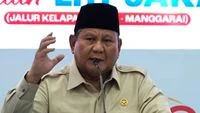
Jakarta, Indonesia – The Central Board of Nahdlatul Ulama (PBNU) has formally extended an invitation to President-elect Prabowo Subianto to officially inaugurate the 35th Nahdlatul Ulama Congress (Muktamar NU), scheduled to take place at Pondok Pesantren Bahrul Ulum, Tambakberas, Jombang, East Java, from August 27 to 31, 2026. This significant gesture underscores the enduring symbiotic relationship between Indonesia’s largest Islamic organization and the nation’s highest office, highlighting the profound socio-political and religious influence of NU across the archipelago. The invitation to the incoming head of state signals the importance PBNU places on governmental recognition and collaboration in shaping the future direction of the organization and, by extension, Indonesian society.
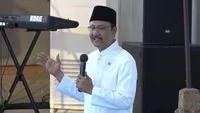
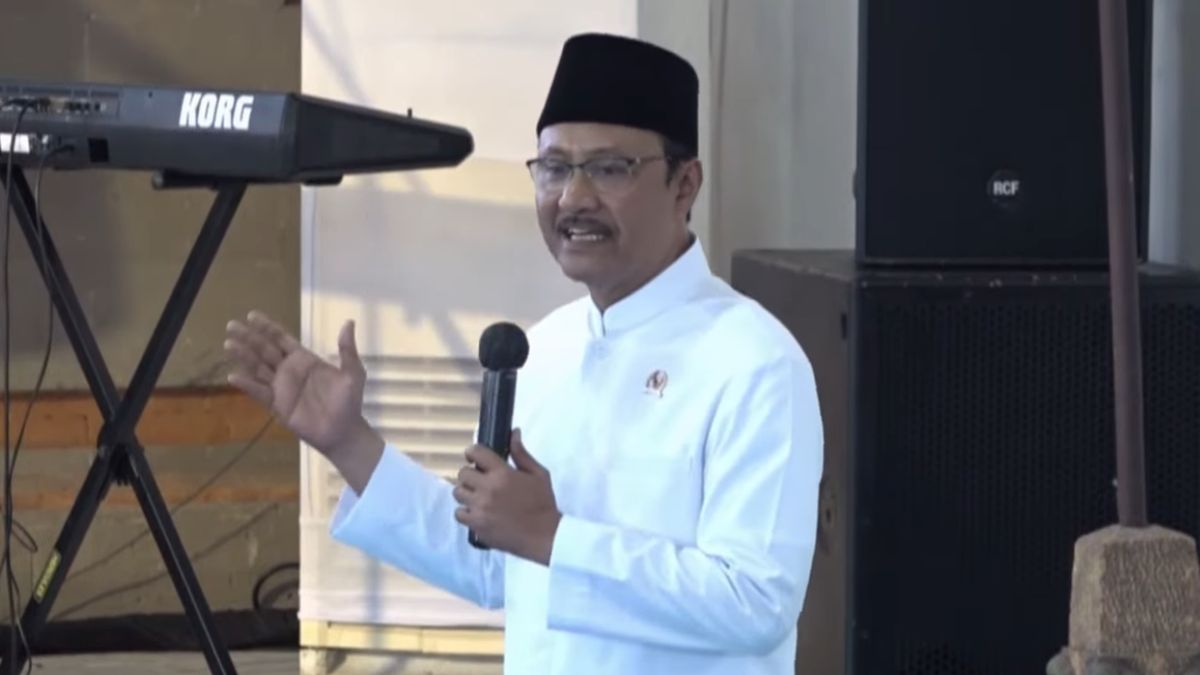
Saifullah Yusuf, commonly known as Gus Ipul, who serves as the Secretary-General of PBNU and concurrently chairs the Muktamar NU Organizing Committee (OC), confirmed the official invitation during a press briefing at the East Java Regional NU Board (PWNU) office in Surabaya on Tuesday, July 21. Gus Ipul emphasized that preparations for the quadrennial—or sometimes quinquennial—congress are already in an advanced and intensifying stage, with various critical internal deadlines rapidly approaching. While the main event is still over two years away, the PBNU is meticulously orchestrating a multi-layered preparatory process, including a significant internal deadline within approximately 40 days, which is crucial for consolidating foundational organizational aspects ahead of the 2026 congress. This proactive approach reflects the monumental scale and complexity of organizing an event that draws thousands of delegates and observers from across Indonesia and beyond.
"PBNU is continuously undertaking preparations, with a crucial internal deadline approaching within approximately 40 days. We sincerely hope that all processes will run smoothly and that the 35th NU Muktamar will be directly opened by the President of the Republic of Indonesia, Mr. Prabowo Subianto. PBNU has officially invited him to inaugurate the 35th NU Muktamar in Jombang," Gus Ipul stated, highlighting the organization’s aspirations for presidential engagement. The presence of the President at such a pivotal event is not merely ceremonial; it signifies the government’s acknowledgment of NU’s integral role in national development, social cohesion, and the propagation of moderate Islamic values within a pluralistic society. It also provides a platform for the head of state to address NU’s vast constituency directly, potentially outlining shared visions for the nation’s future.
The Significance of the Muktamar: A Guiding Compass for NU
The Muktamar, or Supreme Congress, is the highest decision-making body within Nahdlatul Ulama. It is a pivotal event that convenes thousands of delegates, including representatives from PBNU, PWNU (Provincial Boards), and PCNU (Branch Boards) from all corners of Indonesia, as well as delegates from special overseas branches. Held typically every five years (though timing can vary), the Muktamar serves as a crucial forum for:
- Policy Formulation: Deliberating and setting the organization’s strategic direction, programs, and policies for the upcoming term, addressing contemporary issues ranging from religious affairs to social, economic, and political challenges.
- Leadership Election: Electing the Rais Aam (Supreme Leader) of the Syuriah (Advisory Council) and the Ketua Umum (General Chairman) of the Tanfidziyah (Executive Board), who will lead the organization for the next period. These elections are often highly anticipated and can shape NU’s trajectory.
- Organizational Consolidation: Reviewing the performance of the outgoing leadership, evaluating the implementation of past resolutions, and ensuring the structural integrity and administrative efficiency of the vast organization.
- Upholding Ideology: Reaffirming NU’s foundational principles, including its commitment to Ahlussunnah wal Jama’ah (Sunni Islam following the tradition of the Prophet and his companions) and its moderate, tolerant interpretation of Islam, which prioritizes national unity and pluralism.
The 35th Muktamar in Jombang carries particular weight, not only due to the invitation extended to the newly elected President but also because it will shape NU’s agenda in a rapidly evolving national and global landscape. Discussions are expected to cover pressing issues such as economic empowerment for NU’s grassroots communities, educational reform, environmental sustainability, digital literacy, and fostering interfaith harmony amidst increasing societal polarization.
Jombang: A Hallowed Ground for Nahdlatul Ulama
The choice of Jombang, East Java, as the host city for the 35th Muktamar is deeply symbolic and significant. Jombang is often referred to as the "City of Santri" (Islamic boarding school students) and holds a revered place in NU’s history. It is the birthplace of several of NU’s founding fathers, including Hasyim Asy’ari, Wahab Hasbullah, and Bisri Syansuri. Pondok Pesantren Bahrul Ulum, Tambakberas, itself is one of the oldest and most respected Islamic boarding schools in Indonesia, boasting a rich legacy of Islamic scholarship and nationalistic struggle.
Hosting the Muktamar in Jombang is akin to a pilgrimage for NU members, reinforcing their connection to the organization’s roots and foundational values. It underscores the enduring influence of traditional Islamic education (pesantren) in shaping NU’s identity and its role in fostering intellectual and spiritual growth among its millions of adherents. The geographical centrality of East Java, a stronghold of NU’s membership, also ensures broad participation and accessibility for delegates from various regions. The selection of Tambakberas further emphasizes the pesantren as the heart of NU’s identity and activity, providing a spiritual and intellectual backdrop for the congress’s deliberations.
Consolidation and Inclusivity: Ensuring Broad Participation
Beyond preparing for presidential attendance, PBNU is actively engaged in a comprehensive consolidation effort with its provincial (PWNU) and branch (PCNU) boards across Indonesia. This crucial undertaking aims to ensure that all regional NU administrators are duly registered and possess the necessary official documentation to participate as full delegates in the Muktamar, exercising their voting rights and contributing to the organization’s future direction. This process is complex, involving verification of administrative completeness and adherence to internal organizational regulations.
Gus Ipul stressed the importance of this meticulous administrative groundwork: "To that end, I hope that all PWNU and PCNU boards that have not yet completed the required letters or documents to obtain official decrees (Surat Keputusan/SK) from PBNU will continue to strive and work hard so that the remaining time can be utilized optimally." This statement highlights the bureaucratic yet essential steps required to maintain the legitimacy and democratic integrity of the congress. An SK from PBNU formally recognizes the validity of a regional board, granting its representatives full delegate status.
In a significant move towards greater inclusivity and equity, PBNU has also implemented special policies for PWNU boards across Papua. This initiative acknowledges the unique geographical, logistical, and developmental challenges faced by NU branches in the vast and diverse region of Papua. Furthermore, PBNU is providing dedicated support and mitigation strategies to branches and regions that may be struggling to complete their documentation for SK acquisition. This includes direct assistance and guidance to overcome administrative hurdles, ensuring that no legitimate NU entity is disenfranchised due to technicalities.
"PBNU is providing opportunities for all PW and PC boards to follow the process and become full Muktamar participants. PBNU also offers special policies for PWNU throughout the land of Papua and, of course, provides assistance and mitigation to branches and regions that have not yet completed their documents to obtain SK endorsements," Gus Ipul elaborated. This commitment to equitable representation is vital for an organization that prides itself on its national reach and grassroots presence, ensuring that diverse regional voices are heard and incorporated into the decision-making process.
The Role of the Syuriah and Safeguarding Integrity
Adding another layer of organizational rigor, Gus Ipul revealed that PBNU has appointed a dedicated team from its esteemed Syuriah council, led by Professor Mohammad Nuh, to oversee and finalize the issuance of all PWNU and PCNU official decrees. The Syuriah, as the supreme advisory council of NU, embodies the organization’s religious authority and moral compass. Its involvement in administrative processes, particularly one as critical as delegate accreditation, underscores PBNU’s commitment to ensuring the highest standards of integrity, legitimacy, and adherence to Ahlussunnah wal Jama’ah principles throughout the Muktamar preparations.
"One of the teams appointed by PBNU from the Syuriah ranks to finalize all these PW and PC SKs is Professor Mohammad Nuh," Gus Ipul confirmed. Professor Nuh, a respected academic and former Minister of National Education, brings significant expertise and credibility to this vital task. His leadership in this area reflects PBNU’s emphasis on both administrative efficiency and spiritual oversight in its governance.
Combating Disinformation and Promoting Official Channels
In an era increasingly plagued by misinformation, Gus Ipul issued a strong admonition to all NU members and regional boards to remain vigilant against hoaxes and unreliable information pertaining to the Muktamar. He urged them to rely solely on official communication channels and verified sources provided by PBNU. This call for caution is particularly relevant for a large, decentralized organization like NU, where rumors and unofficial narratives can spread rapidly and potentially sow discord.
"Do not be easily deceived, do not easily believe hoax news, news that may not be in accordance with reality. Yes, this is important because out there, there is a lot of news that is sometimes misleading, news that sometimes has the nuance of misleading. Well, we hope this will be ignored, and all official processes carried out by PBNU should be followed," Gus Ipul cautioned. This statement underscores PBNU’s commitment to transparency and its effort to manage public perception, ensuring that the integrity of the Muktamar process is not undermined by external narratives. Maintaining a clear and consistent message from the central board is crucial for guiding the thousands of delegates and millions of members through the complexities of the congress.
Acknowledgements and Community Contributions
The successful execution of an event of the Muktamar’s magnitude relies heavily on the support and cooperation of the host community. Gus Ipul extended heartfelt gratitude to the East Java Regional NU Board (PWNU Jawa Timur), all Branch NU Boards (PCNU) across East Java, and particularly to Pondok Pesantren Bahrul Ulum, Tambakberas, for their invaluable participation and contributions towards ensuring the success of the 35th NU Muktamar.
"We extend our thanks to PWNU East Java, PCNU throughout East Java, and Pondok Pesantren Tambakberas for participating and contributing to the success of the upcoming Muktamar," he expressed. The local community’s involvement, especially the pesantren itself, is indispensable, encompassing logistical support, provision of facilities, security coordination, and the traditional hospitality that characterizes such gatherings in Indonesia. The spirit of mutual cooperation (gotong royong) is a hallmark of NU, and its manifestation in the preparations for the Muktamar exemplifies the organization’s deep roots in community life.
Broader Implications and Future Outlook
The 35th Nahdlatul Ulama Muktamar in 2026 is poised to be a landmark event with far-reaching implications for NU, the Indonesian government, and the nation as a whole.
Political Implications: President Prabowo Subianto’s potential attendance signals a strong working relationship between the new administration and NU. Given NU’s vast electoral base and moral authority, its endorsement or even tacit support is invaluable for any government. The Muktamar will be a crucial forum for NU leaders to engage with the government on national policies, ranging from economic development and social welfare to religious affairs and foreign policy. It could also set the tone for NU’s political stance in the coming years, reinforcing its commitment to Pancasila (Indonesia’s state ideology) and moderate democracy.
Social and Economic Implications: NU’s focus on grassroots empowerment, education, and healthcare will likely be central to the Muktamar’s agenda. Resolutions are expected to address poverty alleviation, job creation, and enhancing the quality of Islamic education through its extensive network of pesantren and schools. The congress may also explore strategies for NU’s economic independence, fostering entrepreneurship among its members, and leveraging technology for community development. The special attention to Papua also highlights NU’s commitment to inclusive development and addressing regional disparities.
Religious and Cultural Implications: The Muktamar will serve as a platform to reaffirm NU’s unique interpretation of Ahlussunnah wal Jama’ah, emphasizing tolerance, moderation, and harmony. It will address contemporary challenges to religious understanding, including radicalism, sectarianism, and the impact of global cultural trends on traditional Islamic values. The discussions will likely reinforce NU’s role as a guardian of traditional Indonesian Islam (Islam Nusantara), promoting a contextualized understanding of faith that aligns with local customs and national identity.
In conclusion, the 35th Nahdlatul Ulama Muktamar in Jombang is far more than just an internal organizational meeting; it is a profound expression of Indonesia’s religious, social, and political fabric. With President Prabowo Subianto’s anticipated presence, meticulous preparations, and a steadfast commitment to inclusivity and transparency, the congress is set to chart NU’s course for the next half-decade, profoundly influencing the trajectory of the world’s most populous Muslim-majority nation. The decisions made and leaders chosen at this Muktamar will resonate across Indonesia, shaping its future in myriad ways, upholding the organization’s historical legacy while adapting to the demands of a new era.