Her Strength, Her Light: ParagonCorp Celebrates Kartini’s Legacy with Inspiring Women Leaders

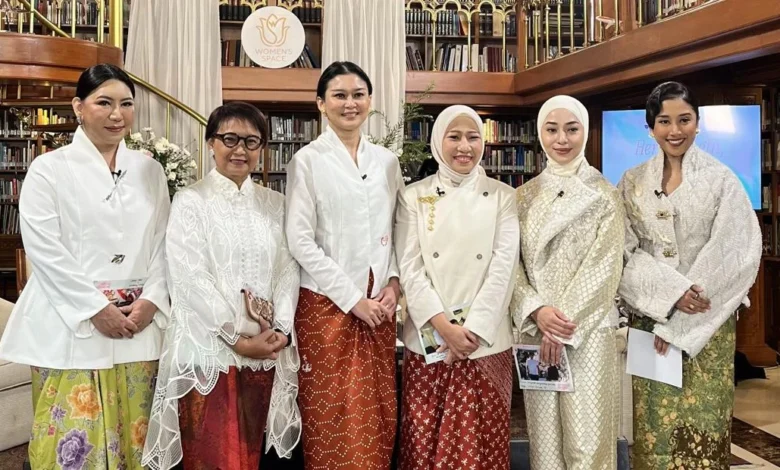
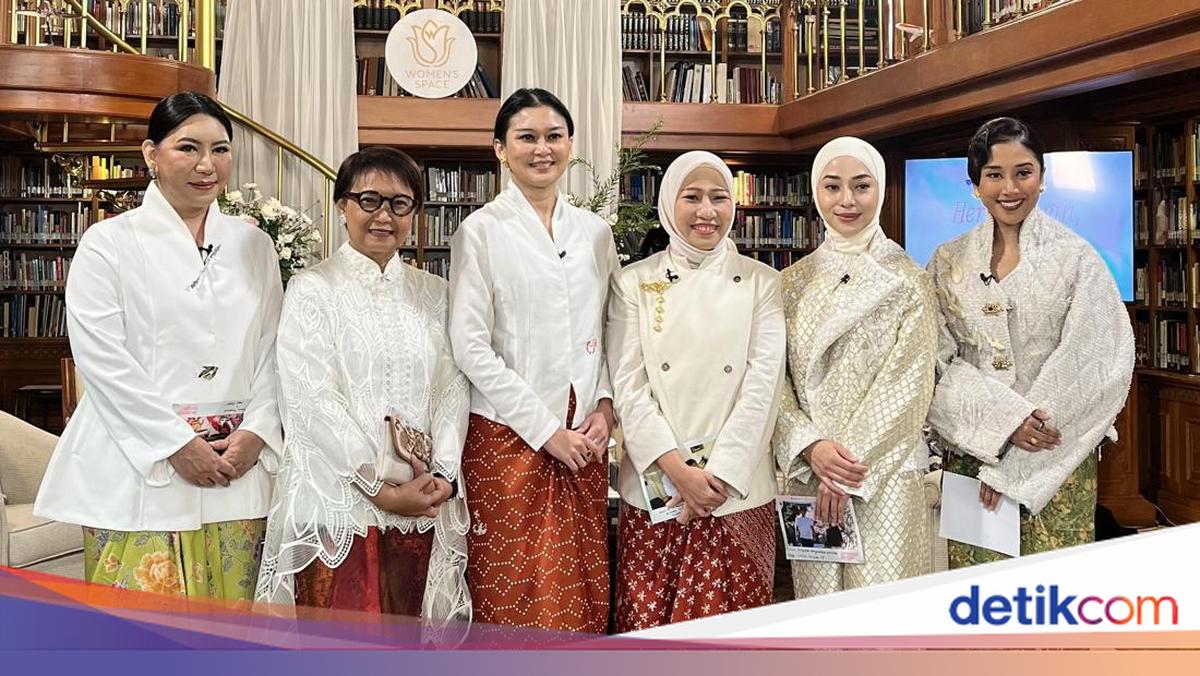
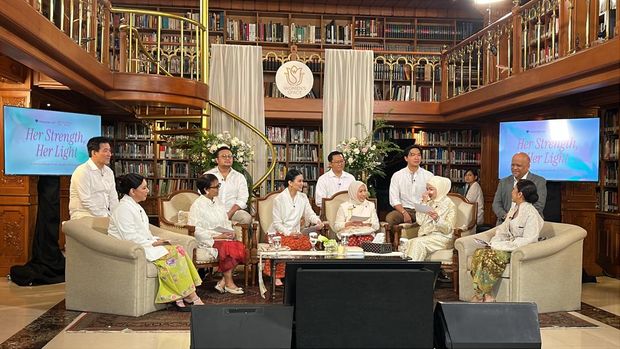
Jakarta – In commemoration of Kartini Day 2026, ParagonCorp hosted a significant initiative titled "Her Strength, Her Light," which illuminated the enduring spirit of Raden Ajeng Kartini by spotlighting contemporary Indonesian women leaders. The event, held at Wisma Habibie & Ainun – Library on Monday, April 20, 2026, brought together five distinguished figures: Retno Marsudi, the former Minister of Foreign Affairs; dr. Sari Chairunnisa, Deputy CEO of ParagonCorp; Nadia Habibie, granddaughter of the third Indonesian President; celebrated actress Nikita Willy; and the legendary badminton champion Susi Susanti. These women, each a beacon of inspiration in their respective fields, were presented as the modern-day embodiments of Kartini’s vision for empowered Indonesian women.
The forum served as a vibrant platform for a profound exchange of ideas and personal narratives. The distinguished panel, representing diverse sectors from international diplomacy and business to the realms of legacy and athletic achievement, engaged in a dynamic discussion. Their conversations centered on the shared experiences of navigating challenges, fostering resilience, and crucially, on how to cultivate safe and supportive environments where fellow women can thrive and achieve their full potential. This initiative underscores ParagonCorp’s ongoing commitment to championing women’s empowerment, aligning with the ideals of Kartini, who championed education and equality for women in Indonesia over a century ago. The annual observance of Kartini Day on April 21st serves as a national reminder of her pivotal role in Indonesian history and the ongoing pursuit of gender equality.
The Unveiling of Vulnerability Behind Success
A recurring theme that emerged from the deeply personal accounts shared during the "Her Strength, Her Light" event was the acknowledgment of vulnerability as an inherent part of success. Many of the accomplished women present revealed their own journeys through self-doubt and periods of uncertainty, illustrating that even the most formidable figures grapple with internal challenges.
Retno Marsudi, a figure synonymous with Indonesian diplomacy during her tenure as the nation’s first female Minister of Foreign Affairs from 2014 to 2024, eloquently articulated the foundational importance of deeply held values in confronting adversity. "I grew up in a modest family, but it was from that background that a strong set of values emerged. Because of that, I knew I had to keep moving forward and strengthen ourselves. If I am strong, I can strengthen us all," Marsudi stated, her words resonating with the audience gathered at the Wisma Habibie & Ainun – Library. Her perspective highlights how a robust moral compass and an internal locus of control can serve as an anchor during turbulent times, enabling individuals to persevere and lead effectively. Her diplomatic career, marked by significant achievements in navigating complex international relations and advocating for Indonesia’s interests on the global stage, stands as a testament to this philosophy.
Susi Susanti, an icon who etched her name in Indonesian sporting history by clinching the nation’s first Olympic gold medal, offered a poignant reflection on her experiences breaking barriers in a male-dominated sport. She candidly admitted to facing significant stigma and doubt early in her career. "The image of the sports world was always masculine. For me, as an athlete, it felt like I was not a favored child, not yet standing out in terms of achievement. I sometimes felt hesitant because opportunities were always given to men, and there were times we weren’t even sent to compete," Susanti recalled, her voice tinged with the memory of those challenges. Her journey in badminton was not just about individual prowess but also about challenging societal perceptions of women’s capabilities in professional sports.
Susanti further elaborated on the compounded difficulty she faced due to the lack of consistent opportunities. Despite these hurdles, she maintained a persistent drive to rise above the prevailing attitudes. "There was a bit of pressure, but I was confident that we could succeed. I had a strong female role model in my mother, and my coach was also a woman. We understood that perhaps we wouldn’t win instantly, but step by step. The people who initially underestimated us eventually saw that with spirit, determination, and dreams, we could achieve anything. And indeed, we were able to deliver the best. From the Asian Games to the world stage, I became the first Indonesian woman to secure a gold medal for Indonesia," Susi shared, her eyes welling up with emotion. Her story is a powerful narrative of perseverance against systemic biases, demonstrating how individual grit can redefine possibilities.
Navigating Expectations: Personal and Professional Growth
In the spheres of professional life and public visibility, dr. Sari Chairunnisa, Deputy CEO of ParagonCorp, and acclaimed actress Nikita Willy also contributed their insights into the art of reconciling personal expectations with external pressures. Both women spoke about the process of finding balance and self-acceptance in their demanding careers.
Dr. Sari Chairunnisa, a specialist in Dermatology, Venereology, and Aesthetics (Sp.DVE., FINSDV), addressed the moments of doubt that are an inevitable part of leadership. "Moments of doubt are certainly present, even frequently. Initially, I questioned whether a company could align with my background, and if dermatology knowledge could be applied effectively. Fortunately, I had a strong support system and the willingness to try. On one hand, those moments of doubt teach us humility and the importance of empowering each other," explained dr. Sari. Her perspective highlights the critical role of a supportive ecosystem and a proactive mindset in overcoming self-imposed limitations, especially when venturing into new territory within a business context.
Nikita Willy, who has been in the entertainment industry since the tender age of six, echoed similar sentiments regarding the challenge of maintaining relevance without compromising one’s core identity. "I often felt doubtful, wondering if I could speak among these great women. It happened very often, but I always tried not to hesitate to try, to grow, and to step out of my comfort zone," shared Nikita. She further emphasized the importance of authenticity in public life. "I feel fortunate that in front of the public, I don’t have to be someone else to gain attention. Because I’ve been in entertainment since childhood, there was a phase where I hadn’t fully come to terms with myself, and the public was aware of it," she added. Her candidness about navigating the intense scrutiny of public life and her conscious decision to prioritize personal well-being and family reflects a growing trend among public figures to redefine success beyond constant visibility.
Nikita also articulated her current focus on balancing her career with family priorities. "There’s no real stop. When I got married, I was able to make choices. I wanted to take a break and then continue. My priority now is more towards family," she clarified. This statement underscores a mature evolution in her career trajectory, demonstrating a conscious decision to manage her public persona and professional endeavors in alignment with her personal life stages.
Legacy and Responsibility: The Habibie Family’s Perspective
Nadia Sofia Habibie, granddaughter of the third President of the Republic of Indonesia, Bacharuddin Jusuf Habibie, and First Lady Hasri Ainun Besari, offered a unique perspective on navigating the weight of a prominent family name. Growing up within the shadow of such significant historical figures, Nadia shared how she learned to interpret privilege not as an inherent advantage, but as a profound responsibility.
"Honestly, it was difficult to delegate from my parents; they did everything themselves. For example, my father still frequently went to the supermarket, and my mother often cleaned the house with a vacuum. My parents taught me to proceed step by step, not to skip any stages. To become someone, one must continuously learn," Nadia revealed. Her account paints a picture of her upbringing, characterized by a strong emphasis on diligence, humility, and the value of sustained effort, even within a family accustomed to public service and national leadership.
She further elaborated that the prominent names of her grandparents and parents were a unique form of fortune, providing her with an environment conducive to exploration and learning. However, the indelible family identity also prompted significant introspection regarding the values and principles instilled by her elders. "It took me about 5 to 6 years to realize that this privilege must be accounted for. It became clear when I embarked on creating a book about sustainability and saw its potential to impact society," Nadia concluded. Her commitment to sustainability, a field that aligns with forward-thinking societal development, demonstrates a conscious effort to leverage her platform and heritage for positive societal contribution, embodying a modern interpretation of public service.
The "Her Strength, Her Light" Initiative: A Broader Context
The "Her Strength, Her Light" initiative by ParagonCorp is more than just a commemoration of Kartini Day; it is a strategic engagement with the evolving role of women in Indonesia’s development. The selection of speakers was deliberate, aiming to represent a cross-section of Indonesian female leadership. Retno Marsudi’s distinguished diplomatic career, dr. Sari Chairunnisa’s leadership in a prominent national beauty and personal care company, Nadia Habibie’s connection to a revered political legacy, Nikita Willy’s enduring influence in entertainment, and Susi Susanti’s iconic status in sports, collectively illustrate the diverse pathways to influence and success for women.
This event can be viewed within the broader context of Indonesia’s ongoing efforts to promote gender equality and women’s economic empowerment. According to recent reports from organizations like the World Economic Forum, while Indonesia has made strides in closing the gender gap in education and health, significant disparities remain in political empowerment and economic participation. Initiatives like "Her Strength, Her Light" play a crucial role in addressing these gaps by providing visible role models, fostering dialogue, and inspiring the next generation of female leaders.
The discussions at the event also touched upon the psychological and social aspects of leadership, particularly for women. The acknowledgment of self-doubt and the pressure to conform to societal expectations are common challenges. By openly discussing these vulnerabilities, the event aimed to destigmatize them and encourage a culture of mutual support. This aligns with global trends in leadership development, which increasingly emphasize emotional intelligence and the importance of authentic leadership.
ParagonCorp, as a leading Indonesian company, has a vested interest in fostering a diverse and inclusive workforce. By championing women’s leadership, the company not only contributes to social progress but also potentially enhances its own innovation, market understanding, and overall business performance. Research consistently shows that diverse leadership teams lead to better decision-making and improved financial outcomes.
The timing of the event, held just before Kartini Day, amplifies its message. It serves as a timely reminder of the ongoing relevance of Kartini’s ideals in contemporary Indonesia. Her vision for women’s education and independence continues to inspire movements for gender equality, and events like this demonstrate how that vision is being realized through the achievements of remarkable Indonesian women. The legacy of Kartini is not confined to history books; it is actively being shaped by the strength and light of women leaders today.
Related posts: