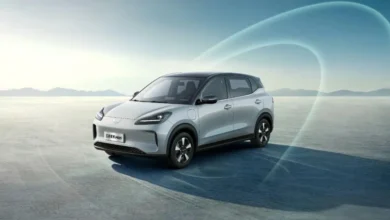
Electric Cars Emerge as a Viable Solution to Global Fuel Crisis, Offering Significant Long-Term Cost Savings and Environmental Benefits

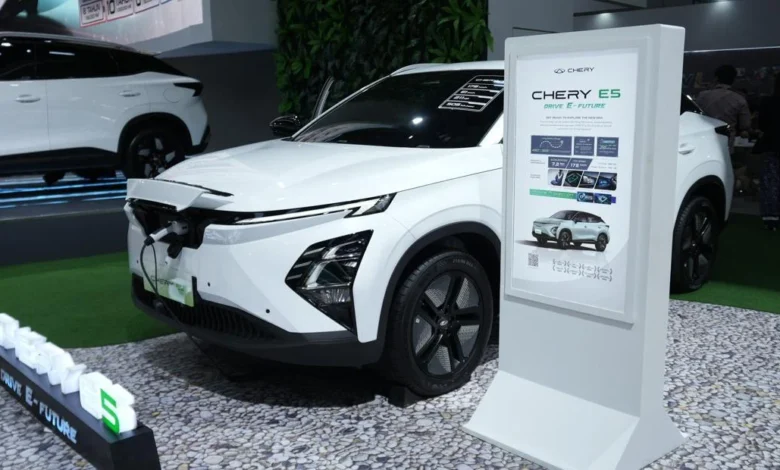
Amidst the escalating global fuel crisis, characterized by volatile oil prices and persistent supply chain disruptions, electric vehicles (EVs) are rapidly solidifying their position as a compelling alternative for consumers seeking cost-efficiency and reduced environmental impact. One of the most significant advantages of EVs lies in their independence from fossil fuels, a factor that has become increasingly critical in recent months. Beyond immediate relief from fluctuating gasoline prices, EVs promise substantial long-term financial savings, with charging costs for some models estimated to be as low as approximately $20 USD per month, a stark contrast to the escalating expenses associated with traditional internal combustion engine (ICE) vehicles.
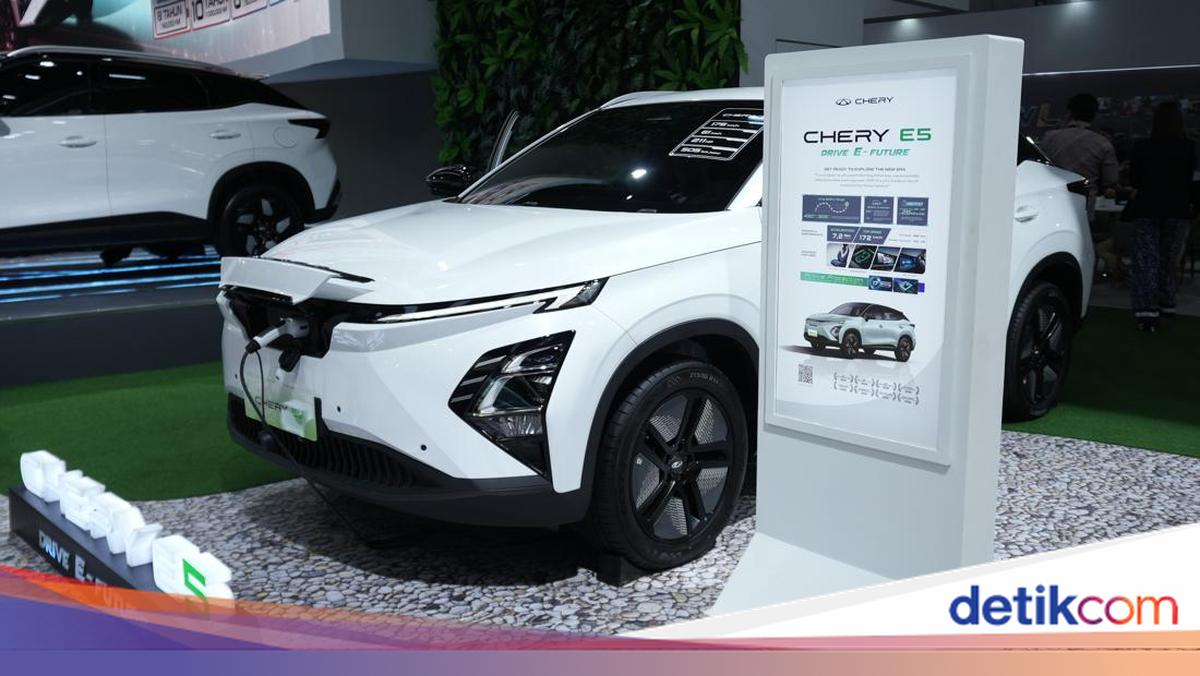
Chery’s foray into the electric vehicle market with models like the E5 and J6T exemplifies this trend. These vehicles are specifically engineered to deliver tangible and measurable reductions in operational expenses. With an impressive WLTP-rated range of up to 430 kilometers on a single charge, Chery’s electric offerings empower users to navigate their daily commutes and longer journeys without the constant concern of refueling and its associated costs. This extended range addresses a key anxiety for potential EV adopters, ensuring that everyday mobility remains unhindered.
For the average urban commuter, the charging frequency for these vehicles is estimated to be approximately every three days. This convenience, coupled with the low cost of electricity, significantly streamlines daily routines and contributes to overall household budget management. A detailed simulation of monthly usage, covering an average of 1,200 kilometers, highlights the remarkable cost-efficiency of Chery’s electric vehicles. The simulation indicates a monthly energy consumption of around 171 kWh, translating to an estimated electricity cost of approximately $19.50 USD, or less than $0.65 USD per day.
This translates to a total monthly mobility cost of roughly $19.50 USD, a figure substantially lower than the estimated $75 USD or more for conventional vehicles covering the same distance. Consequently, users stand to save over 70% on their monthly operational expenses, a substantial financial incentive in the current economic climate.
User Experiences Validate Economic and Performance Claims
The practical benefits of adopting electric mobility are being corroborated by early adopters. Hendrawan Sijoatmodjo, an owner of a Chery Omoda E5 for nearly two years, shared his positive experience, emphasizing the "direct benefits of its efficiency in daily use" as the primary driver for his transition to an electric vehicle. However, his satisfaction extends beyond mere cost savings. He noted that the vehicle delivers "powerful and responsive acceleration, a comprehensive suite of features, and a very comfortable driving position, all of which contribute to a more enjoyable driving experience." This anecdotal evidence underscores that the appeal of EVs is not solely economic but also encompasses enhanced performance and driving pleasure.
Beyond their economic advantages, Chery’s electric vehicles are also recognized for delivering a superior driving experience. They offer a smoother, more responsive ride with minimal vibration, contributing to a more refined and comfortable journey. This aligns with the growing consumer demand for vehicles that not only meet practical needs but also provide a more pleasant and engaging driving environment. Furthermore, by embracing electric mobility, consumers actively contribute to a cleaner environment, supporting the global shift towards sustainable transportation solutions and aligning with the evolving values of modern consumers who are increasingly conscious of their ecological footprint.
The Global Context: A Perfect Storm for Electric Vehicle Adoption
The current surge in interest and adoption of electric vehicles is not an isolated phenomenon but rather a confluence of several global trends and challenges. For years, climate change concerns and the urgent need to reduce greenhouse gas emissions have been driving research and development in alternative fuel technologies. However, recent geopolitical events have acted as a significant catalyst, accelerating the transition.
The ongoing war in Ukraine and its subsequent impact on global energy markets have led to unprecedented volatility in oil prices. Supply disruptions, sanctions, and the weaponization of energy resources have underscored the vulnerability of economies heavily reliant on fossil fuels. This has prompted governments worldwide to re-evaluate their energy strategies, with a renewed emphasis on energy independence and security. Electric vehicles, powered by electricity that can be generated from diverse and increasingly renewable sources, offer a tangible pathway towards achieving these objectives.
Furthermore, advancements in battery technology have made EVs more practical and affordable. Increased energy density, faster charging times, and longer lifespans are continuously improving the performance and reducing the cost of EV ownership. Government incentives, such as tax credits, subsidies, and preferential charging infrastructure development, are also playing a crucial role in making EVs more accessible to a wider segment of the population. The European Union, for instance, has set ambitious targets for phasing out the sale of new ICE vehicles, further signaling a global commitment to electrification. In Asia, countries like China have been leading the charge in EV production and adoption, driven by both government policy and a rapidly growing domestic market.
Analyzing the Economic Implications: A Paradigm Shift in Mobility Costs
The financial implications of switching to an electric vehicle, as illustrated by Chery’s models, represent a significant paradigm shift in personal transportation costs. The projected monthly savings of over 70% are not merely incremental but represent a substantial reallocation of household budgets that can be directed towards other priorities.
For a typical family, the annual savings from switching from an ICE vehicle to an EV could amount to hundreds, if not thousands, of dollars. This financial relief is particularly impactful during periods of economic uncertainty and rising inflation, where consumers are actively seeking ways to reduce discretionary spending.
The calculation of charging costs is based on average electricity tariffs, which themselves can vary by region and time of day. However, even with fluctuating electricity prices, the fundamental advantage of EVs remains: electricity is generally more stable in price and more domestically sourced than oil, which is subject to global market forces and geopolitical instability.
The initial purchase price of EVs has historically been a barrier for some consumers. However, this is rapidly changing. As battery production scales up and manufacturing processes become more efficient, the cost of EVs is becoming increasingly competitive with their ICE counterparts. When the total cost of ownership, including fuel savings, reduced maintenance (EVs have fewer moving parts), and government incentives, is considered, the economic argument for EVs becomes overwhelmingly compelling.
Broader Impact and Future Outlook: Towards a Sustainable Transportation Ecosystem
The widespread adoption of electric vehicles has far-reaching implications that extend beyond individual savings and environmental benefits.
Environmental Stewardship
The most immediate and evident benefit is the reduction in tailpipe emissions. EVs produce zero tailpipe emissions, which directly contributes to improved air quality in urban areas, leading to better public health outcomes. While the electricity used to charge EVs may be generated from fossil fuels in some regions, the overall lifecycle emissions of EVs are generally lower than those of ICE vehicles, especially as grids become greener. The transition to renewable energy sources for electricity generation will further amplify the environmental advantages of EVs.
Energy Independence and Security
For nations heavily reliant on imported fossil fuels, the shift to electric mobility offers a path towards greater energy independence and security. Diversifying the energy sources for transportation reduces vulnerability to global oil price shocks and geopolitical disruptions. This can have significant positive impacts on national economies and strategic interests.
Infrastructure Development and Job Creation
The growth of the EV market necessitates significant investment in charging infrastructure. This includes public charging stations, home charging solutions, and grid upgrades to accommodate increased electricity demand. This expansion creates new opportunities for businesses and jobs in manufacturing, installation, maintenance, and research and development.
Technological Innovation and Economic Growth
The EV revolution is driving innovation across a range of related technologies, including battery technology, power electronics, software development, and smart grid solutions. This technological advancement fosters economic growth and positions countries at the forefront of the global green economy.
The Road Ahead: Challenges and Opportunities
Despite the clear advantages, challenges remain. The availability and affordability of charging infrastructure, particularly in rural areas and apartment complexes, need to be addressed. The sourcing of raw materials for batteries, such as lithium and cobalt, and their environmental and ethical implications, require careful consideration and sustainable solutions. Battery recycling and end-of-life management are also critical areas that need robust development.
However, the momentum towards electrification is undeniable. As technology matures, costs continue to fall, and supportive policies are implemented, electric vehicles are poised to become the dominant form of personal transportation in the coming decades. The story of Chery’s E5 and J6T is a microcosm of this larger global shift, demonstrating that the future of mobility is not only cleaner and more sustainable but also significantly more economical for the everyday consumer. The transition is not without its complexities, but the long-term benefits for individuals, economies, and the planet make it an imperative and exciting journey.
Related posts: