Honda Electric Motorcycle Market in Indonesia Faces Stagnation, AHM Attributes to Consumer Acceptance

Astra Honda Motor (AHM) has acknowledged that the market for Honda’s electric motorcycles in Indonesia has not yet demonstrated significant growth. The company reports that the market share for electric models remains notably small, falling below one percent when compared to their conventional gasoline-powered counterparts. As of the first half of 2026, sales of Honda’s electric motorcycles have remained stagnant, showing little to no improvement from the same period in the previous year.
"If we look at it, it’s flat compared to last year," stated Thomas Wijaya, Vice President of AHM, during a recent discussion in Jakarta. This assessment comes at a time when the broader Indonesian automotive market, particularly for motorcycles, continues to exhibit robust performance.
Market Landscape and Honda’s Dominance in Conventional Motorcycles
The Indonesian motorcycle market is one of the largest globally, driven by its affordability and practicality for daily commuting and commercial use. According to data from the Indonesian Motorcycle Industry Association (AISI), the total motorcycle sales in the first semester of 2026 reached an impressive 3,129,587 units. Within this substantial market, Honda holds a dominant position, representing approximately 77 percent of all motorcycle sales across all brands during the January-June 2026 period. AHM alone accounted for 2.4 million units of the total 3.1 million units sold, solidifying its leadership. The remaining 22.58 percent, or roughly 700,000 units, were contributed by four other competing brands.
This overwhelming success in the conventional motorcycle segment underscores Honda’s strong brand recognition and established distribution network in Indonesia. However, this dominance has not yet translated into a significant breakthrough for their electric offerings.
Factors Influencing Consumer Adoption of Electric Motorcycles
Thomas Wijaya elaborated on the multifaceted nature of consumer decision-making when it comes to adopting electric motorcycles. He indicated that numerous factors influence a consumer’s choice to purchase or transition to an electric two-wheeler. Despite the current slow uptake, AHM claims to be well-prepared to support the burgeoning electric vehicle ecosystem in Indonesia.
"There are still many factors that depend on consumer and public acceptance. But we are ready and have many models to move towards this mobility. We have the technology, ecosystem, spare parts, and more. We have prepared it for consumers," Thomas asserted. This statement highlights AHM’s commitment to investing in the necessary infrastructure and resources to facilitate the shift towards electric mobility.
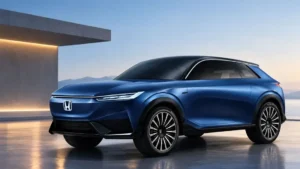
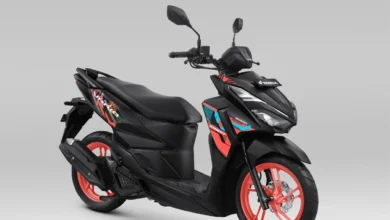
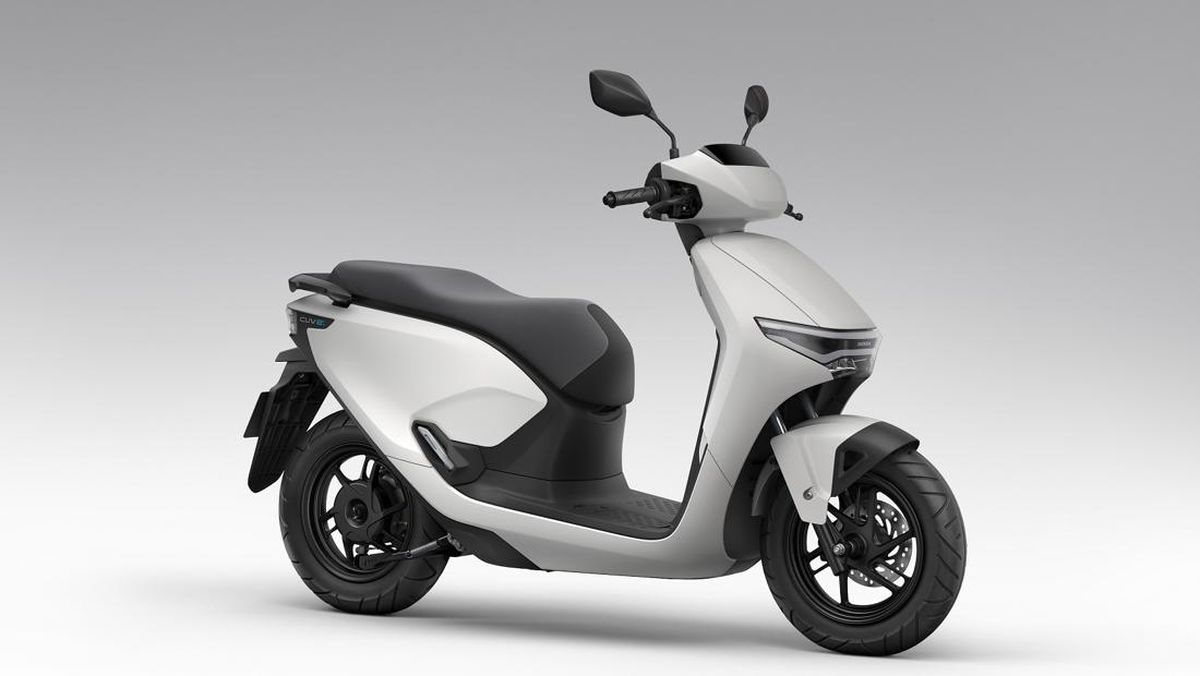
From a product development standpoint, Thomas emphasized Honda’s strong commitment to the electrification transition. He believes that the ultimate decision to embrace electric motorcycles now rests firmly in the hands of consumers. Honda currently offers three electric motorcycle models in the Indonesian market: the Icon e, CUV e, and EM1 e.
"It’s just a matter of how the public and consumers make electric motorcycles one of their choices for mobility," he added. This indicates a strategic approach where Honda provides the options, and the market’s reception will dictate the pace of adoption.
AHM’s Strategic Preparedness and Future Outlook
The company continues to closely monitor the market’s response to battery-powered two-wheelers. "Indeed, we currently have four electric motorcycle models. But we will continue to observe how the market and consumers receive them, both in terms of performance, infrastructure, peace of mind, including, of course, resale value and so on," Thomas concluded. This indicates a data-driven approach to future product development and market strategies.
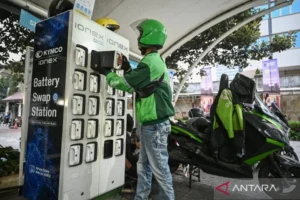
Honda’s preparedness extends beyond just product availability. The company has been actively working on building a comprehensive ecosystem to support electric vehicle users. This includes ensuring the availability of charging infrastructure, developing battery swapping solutions where applicable, and establishing a robust network for maintenance and spare parts. The emphasis on "peace of mind" also suggests a focus on addressing consumer concerns about range anxiety, charging times, and the long-term reliability of electric powertrains.
Broader Implications for the Indonesian Electric Vehicle Market
The lukewarm reception of electric motorcycles by Indonesian consumers, as reported by AHM, is not an isolated phenomenon. Several factors contribute to this trend across the nascent electric vehicle (EV) market in developing economies.
- Price Sensitivity: Electric motorcycles, particularly those with advanced features and longer ranges, often come with a higher upfront cost compared to their gasoline counterparts. While government incentives can mitigate this, the initial investment remains a significant barrier for a large segment of the Indonesian population, which is highly price-sensitive.
- Charging Infrastructure Gaps: Despite efforts by manufacturers and the government, the availability and accessibility of charging stations, especially outside major urban centers, are still limited. This creates "range anxiety" for potential buyers, who worry about being stranded without a charging point.
- Consumer Perception and Education: There is still a need for greater consumer education and awareness regarding the benefits, operational costs, and maintenance requirements of electric motorcycles. Many consumers are accustomed to the established norms of gasoline-powered vehicles and may be hesitant to adopt new technology without sufficient understanding and trust.
- Resale Value Concerns: As with any emerging technology, there can be uncertainty surrounding the long-term resale value of electric motorcycles. Consumers may be wary of investing in a technology whose future market value is not yet firmly established.
- Availability of Affordable and Practical Models: While AHM offers several electric models, the Indonesian market has traditionally been dominated by highly affordable and fuel-efficient small-displacement gasoline motorcycles. The availability of electric alternatives that can directly compete on price and practicality for everyday use is crucial for mass adoption.
Honda’s Long-Term Electrification Strategy
Honda’s commitment to electrification is a global strategy, driven by increasingly stringent environmental regulations and the company’s vision for a carbon-neutral society. In Indonesia, the company’s approach appears to be one of measured progress, allowing the market to mature while building the necessary foundations.
The current situation, where electric motorcycle sales are stagnant, allows AHM to:
- Refine Product Offerings: Gather valuable feedback on existing models to inform future product development, focusing on features and price points that resonate better with Indonesian consumers.
- Strengthen the Ecosystem: Continue expanding charging networks, improving battery technology, and ensuring a reliable supply chain for spare parts and servicing. This includes partnerships with local businesses and government agencies.
- Enhance Consumer Education Campaigns: Invest in targeted marketing and public relations efforts to demystify electric vehicles and highlight their benefits, such as lower running costs, reduced emissions, and a quieter riding experience.
- Collaborate with Policymakers: Work with the Indonesian government to advocate for supportive policies, including purchase subsidies, tax incentives, and the development of national charging standards, which can accelerate market growth.
The Road Ahead
The Indonesian government has set ambitious targets for EV adoption, aiming to significantly reduce reliance on fossil fuels and curb emissions. The motorcycle sector, being the dominant mode of personal transportation, is central to these plans. While Honda, as a market leader, faces challenges in the electric segment, its significant market share in conventional motorcycles provides a strong foundation. The company’s long-term vision for electrification, coupled with its strategic preparedness, suggests that it is committed to navigating these challenges and playing a pivotal role in the eventual transition to electric mobility in Indonesia. The pace of this transition, however, will largely depend on how effectively AHM can address consumer concerns and align its offerings with the evolving needs and preferences of the Indonesian market. The current stagnation is not necessarily a failure, but rather a phase in the complex process of introducing and popularizing a new technology in a vast and diverse market.