Global Literacy Landscape Faces Persistent Challenges as International Literacy Day Marks Six Decades of Advocacy

The global community observes International Literacy Day every September 8, serving as an enduring reminder of the fundamental role that reading, writing, and broader cognitive skills play in human dignity, societal development, and sustainable progress. As this significant observance enters its diamond jubilee—marking 60 years since its inception—governments, international bodies, and educational institutions worldwide are taking stock of both monumental achievements and staggering hurdles in the quest for universal literacy. While decades of concerted policy efforts have successfully lifted hundreds of millions of people out of functional illiteracy, systemic barriers, technological shifts, and socio-economic disparities continue to challenge educational parity on a global scale.
The Origins and Evolution of International Literacy Day
The genesis of International Literacy Day traces back to the mid-20th century, an era defined by aggressive global efforts to dismantle colonial legacies, rebuild war-torn economies, and eradicate extreme poverty. Recognizing that illiteracy acted as a primary bottleneck preventing populations from escaping poverty and asserting their fundamental human rights, the United Nations Educational, Scientific and Cultural Organization (UNESCO) stepped to the forefront of global educational policy.
In September 1965, the historic World Conference of Ministers of Education on the Eradication of Illiteracy convened in Tehran, Iran. The gathering generated unprecedented political momentum, prompting delegates to recommend the establishment of an international day dedicated to the cause. Acting on this recommendation, UNESCO formally proclaimed September 8 as International Literacy Day during its 14th General Conference in 1966.
The inaugural global observance took place on September 8, 1967. Since that milestone year, the date has served as an annual rallying point for policymakers, educators, and civil society organizations. Over the past six decades, the conceptual framework underpinning the observance has undergone a profound metamorphosis. While the early decades focused predominantly on foundational reading and writing competencies—often referred to as conventional or basic literacy—the twenty-first century has demanded a much broader definition. In an increasingly interconnected and digitalized world, modern literacy encompasses digital fluency, media literacy, critical information evaluation, and the capacity to navigate complex technological ecosystems without falling victim to misinformation.
UNESCO’s 2026 Agenda: Literacy for People, the Planet, and Prosperity
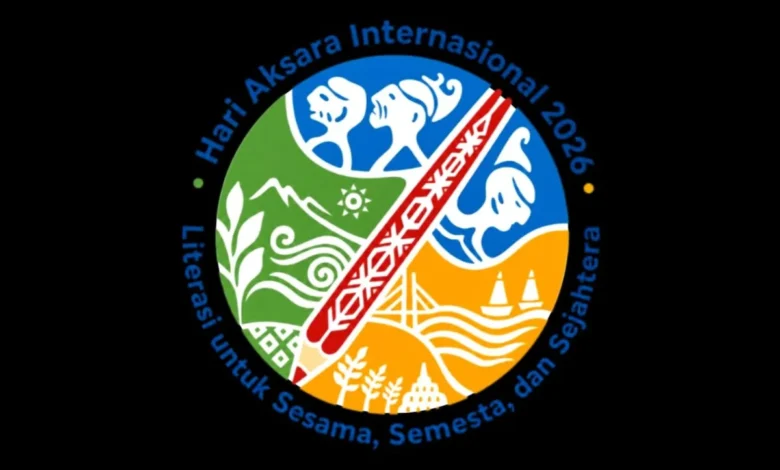
As International Literacy Day marks its 60th anniversary in 2026, UNESCO has chosen the overarching theme "Literacy for people, the planet and prosperity." This deliberate framing seeks to connect foundational education directly to contemporary global crises, including environmental degradation, economic volatility, and social polarization.
According to policy frameworks released by UNESCO, the 2026 theme emphasizes that literacy is not merely an isolated educational metric, but a critical catalyst for sustainable development. Empowered citizens are better equipped to comprehend scientific data regarding climate change, participate meaningfully in democratic governance, and secure sustainable livelihoods in changing labor markets. The anniversary serves as a strategic inflection point for nations to re-evaluate their national educational frameworks, realigning them with the demands of the digital age while refusing to leave behind populations still struggling with basic alphabetization.
A Sobering Global Reality: Statistics and Systemic Deficits
Despite six decades of institutional commitment, international data reveals that the global literacy landscape remains plagued by deep-seated inequities and alarming deficits. UNESCO’s tracking metrics paint a sobering picture of the scale of the ongoing crisis.
In 2024, global estimates indicated that approximately 739 million youths and adults around the world remained entirely devoid of basic literacy skills. This immense population of non-literate adults represents a systemic failure of educational infrastructure, locking hundreds of millions of individuals out of formal labor markets, healthcare information, and civic participation.
The crisis begins early in the human lifecycle. UNESCO data from 2023 highlighted that roughly four out of ten children globally failed to achieve minimum reading proficiency standards by the end of primary school. Compounding this foundational deficit, an estimated 272 million children and adolescents were entirely out of school during the same period. These out-of-school populations face an elevated risk of permanent educational disenfranchisement, threatening to create generational cycles of poverty and marginalization.
Educational Experts Urge Structural Reforms
Education economists and international development experts emphasize that closing these gaps requires a paradigm shift in how national governments fund and structure educational delivery. Analysts note that traditional brick-and-mortar schooling models are frequently inadequate for reaching marginalized rural populations, migrant communities, and individuals displaced by conflict or climate shocks.
"The persistence of hundreds of millions of illiterate adults and out-of-school children is not merely an educational challenge; it is a fundamental human rights crisis that hobbles global economic resilience," noted an independent educational policy analyst based in Geneva. "To honor the legacy of sixty years of International Literacy Day, governments must transition from symbolic rhetoric to aggressive, targeted fiscal investments in adult education and early childhood reading programs."
Indonesia’s Literacy Landscape: Progress Amid Persistent Gaps
In Indonesia, the push for universal literacy remains a central pillar of national human resource development strategies. As Southeast Asia’s largest economy navigates the complexities of digital transformation, the nation has achieved notable success in raising its baseline literacy rates, even as distinct regional and demographic challenges persist.
According to data compiled by Statistics Indonesia (Badan Pusat Statistik – BPS), the country’s overall literacy rate (angka melek huruf) for the population aged 15 years and older reached 96.67 percent in 2024. This high percentage reflects decades of sustained government investment in universal primary education, community learning centers (Pusat Kegiatan Belajar Masyarakat – PKBM), and nationwide eradication campaigns.
However, a closer disaggregation of the BPS data reveals persistent structural disparities. When analyzed by gender, the literacy rate among Indonesian males aged 15 and older stood at 97.69 percent in 2024, compared to 95.66 percent for females. While both figures reflect high levels of basic competency, the gender gap highlights lingering historical inequalities in educational access, particularly in rural or remote provinces where traditional social norms have historically limited formal schooling opportunities for women and girls.
BPS continues to publish granular data sets tracking literacy metrics across provinces, urban versus rural divides, and gender lines up through 2025. These datasets serve as indispensable diagnostic tools for regional governments seeking to deploy targeted interventions in low-performing districts.
Policy Responses and Strategic Initiatives in Indonesia
Recognizing both the high baseline of basic literacy and the nuanced challenges of quality and equity, Indonesian policymakers have increasingly pivoted toward holistic educational reforms.
Ministry of Education and related agencies have heavily emphasized the strengthening of foundational concepts, such as the widely discussed "3S" literacy framework, championed by the Ministry of Primary and Secondary Education as a critical stepping stone toward the national vision of "Golden Indonesia" (Indonesia Emas). This framework seeks to integrate basic reading proficiency with critical thinking and functional application, ensuring that students do not merely decode texts but actively comprehend and apply information to real-world scenarios.
Simultaneously, educational authorities have called for the revitalization of public engagement campaigns, such as dedicated "Literacy Months," designed to mobilize communities, libraries, and civil society organizations. These grassroots initiatives aim to foster a pervasive reading culture that extends far beyond formal classroom walls.
The Urgency of Quality: Beyond Basic Decoding
A recurring theme in contemporary discussions surrounding Indonesia’s educational standing is the stark contrast between quantitative literacy rates and qualitative performance metrics. While over 96 percent of Indonesia’s adult population is classified as literate under standard statistical definitions, international benchmarking studies have consistently highlighted weaknesses in higher-order reading comprehension.
Notably, international observers, including UNESCO representatives, have repeatedly drawn attention to Indonesia’s scores in the Programme for International Student Assessment (PISA). Despite high rates of basic alphabetization, Indonesian students have frequently scored below the OECD average in reading literacy, mathematical proficiency, and scientific literacy.
Educational researchers point out that this discrepancy underscores a vital distinction: possessing the mechanical ability to read letters and words is vastly different from possessing the analytical capacity to evaluate, synthesize, and contextualize complex information. In an era saturated with digital media, social networks, and rapidly evolving technologies, the inability to critically assess information leaves populations vulnerable to misinformation, economic manipulation, and civic disengagement.
Implications for the Future of Human Resource Development
As International Literacy Day marks its diamond jubilee, the global consensus has shifted decisively. Literacy is no longer viewed as a static educational milestone achieved during childhood, but as a dynamic, lifelong continuum essential for individual adaptation and collective survival.
For Indonesia and the wider international community, the path forward demands a dual-track strategy. On one track, governments must urgently reach the remaining pockets of functional illiteracy—ensuring that marginalized adults, out-of-school youth, and remote populations gain access to basic education. On the second track, educational systems must radically upgrade curriculum standards to foster advanced cognitive, digital, and critical literacy skills from an early age.
Only by bridging the chasm between basic alphabetization and advanced critical comprehension can nations hope to fulfill the promise of sustainable prosperity, environmental stewardship, and inclusive human development over the next sixty years and beyond.