French Adventure Reality Show Pékin Express Season 23 Features Indonesia Wae Lolos Village as Global Stage for Sustainable Tourism

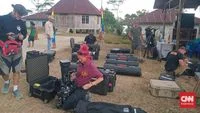
The remote and breathtaking landscape of Wae Lolos Village, nestled within the Sano Nggoang District of West Manggarai Regency in East Nusa Tenggara (NTT), is stepping onto the global stage. Known colloquially as the Land of a Thousand Waterfalls, this hidden gem of the Indonesian archipelago has been selected as a primary filming location for Season 23 of Pékin Express, a widely popular and physically demanding adventure reality television series originating from France.
This high-profile international production marks a significant milestone for the region’s tourism sector. Positioned approximately 32 kilometers from the bustling hub of Labuan Bajo—the primary gateway to the world-famous Komodo National Park—Wae Lolos offers an ecosystem that diverges from the coastal and marine attractions typically associated with Flores. Instead, the village presents a pristine interior characterized by rugged topography, cascading waterfalls, crystal-clear river systems, and expansive terraces of verdant green rice paddies situated within the Mbeliling Mountains.
The inclusion of Wae Lolos in an internationally syndicated program is not merely a stroke of luck; it is the culmination of targeted tourism development initiatives spearheaded by the Labuan Bajo Flores Tourism Authority Board (BPOLBF). Over recent years, the agency has worked closely with local communities to elevate the status of inland villages, transforming them into competitive, sustainable nature-based destinations designed to diversify the economic offerings of the region beyond marine tourism.
The Unique Premise and Route of Pékin Express Season 23
Pékin Express is renowned for its grueling format, which strips participants of modern luxuries and tests their resilience, adaptability, and cross-cultural communication skills. The core concept revolves around a cross-country endurance race where competing duos must navigate vast geographical distances on an ultra-strict budget. Contestants are provided with a daily allowance equivalent to just one euro, forcing them to rely heavily on the goodwill of locals for basic necessities, hitchhiking for transportation, and securing overnight shelter in private homes.
For its landmark 23rd season, the production has chosen Southeast Asia and Indonesia as its anchor region, dedicating an unprecedented six episodes to the Indonesian archipelago—the largest share of screen time allocated to a single country in the season’s itinerary.
The meticulously planned trans-national route begins at the scenic Koka Beach on the island of Flores. From this coastal starting point, the contestants and production crew will embark on an arduous westward journey, traversing the islands of Sumbawa, Lombok, and Bali, before crossing international borders to conclude the grand race in Manila, the capital of the Philippines.
Logistics and Strict Production Protocols
The sheer scale of Pékin Express requires massive logistical coordination. In early September, an international contingent consisting of hundreds of production crew members and competitive participants descended upon Wae Lolos. Upon their arrival on Friday, September 4, the contestants were immediately thrust into a series of demanding physical and cultural missions meticulously designed around the distinct geography of the village and the daily lives of its indigenous inhabitants.
Given the immense popularity of the show and the necessity of maintaining suspense for television audiences across Europe, strict confidentiality measures have been enforced. Throughout the duration of the filming schedule—which spans from late August through October 2026—both local residents and visiting spectators are strictly prohibited from recording, photographing, or publishing any material related to the ongoing challenges. This media blackout ensures that the narrative arcs, eliminations, and ultimate outcomes remain shielded from public view until the official broadcast.
Pékin Express Season 23 is scheduled to make its highly anticipated television debut on the French commercial television network M6 during the spring of 2027, potentially reaching millions of viewers across France and francophone Europe.
Local Perspectives and Community Empowerment
The arrival of a major international television production in a rural Indonesian community inevitably brings a mix of excitement, logistical challenges, and high expectations for the future. Local community leaders have been vocal about the transformative potential this exposure holds for the region.
Robert Perkasa, Chairman of the Cunca Plias Tourism Awareness Group (Pokdarwis)—a community organization that has been instrumental in grassroots tourism development within Wae Lolos—expressed immense optimism regarding the international spotlight. Speaking to media outlets shortly after the crew’s arrival, Perkasa emphasized that the village views the broadcast as an invaluable catalyst for global recognition.
"The presence of Pékin Express in Wae Lolos is expected to elevate the name of Wae Lolos Tourism Village and West Manggarai Regency onto the international stage," Perkasa stated. Beyond immediate visibility, he highlighted the tangible economic benefits that naturally accompany global tourism promotion, noting that an influx of international travelers can stimulate localized economic growth, create new micro-enterprises, and provide alternative revenue streams for families residing in the Mbeliling highlands.
However, community leaders are equally mindful of the potential pitfalls associated with rapid exposure. Perkasa stressed that the true value of this momentum lies in its longevity. He voiced a strong desire for the impact of Pékin Express to transcend the temporary disruption of the filming phase, hoping instead that the global attention would instill a deeper sense of civic pride among residents. The ultimate goal, according to local stakeholders, is to encourage the community to actively protect, preserve, and safeguard the authenticity of their natural environment and ancestral heritage.
Preserving Authenticity in the Face of Globalization
In the realm of modern tourism management, the delicate balance between commercial promotion and environmental preservation remains a critical challenge. For destinations like Wae Lolos, which rely entirely on their untouched landscapes and cultural integrity to attract travelers, conservation is not merely an ethical preference—it is an economic necessity.
Perkasa noted that the preservation of local ecosystems and cultural traditions serves as the primary foundation for sustainable tourism development. As rural villages are thrust into the spotlight of international media, maintaining community cohesion and environmental stewardship becomes paramount.
"With the spirit of gotong royong [mutual cooperation] and an openness to new cultures, Indonesia is ready to welcome tourists from all corners of the world and become a globally recognized tourism destination," Perkasa concluded, emphasizing the enduring cultural values that underpin rural Indonesian society.
Broader Economic and Geopolitical Implications for Indonesian Tourism
The selection of Flores and surrounding islands as a primary set for Pékin Express aligns seamlessly with the broader strategic objectives of the Indonesian Ministry of Tourism and Creative Economy. In recent years, national tourism policies have pivoted away from hyper-concentration in traditional hotspots like southern Bali, focusing instead on the development and promotion of the so-called Super Priority Tourism Destinations, which include Labuan Bajo and the greater Flores corridor.
By showcasing lesser-known inland regions such as Sano Nggoang, international reality television programs play a vital role in geographic dispersion. Spreading tourist traffic beyond coastal marine parks helps alleviate ecological pressure on fragile marine ecosystems while distributing economic benefits more equitably among rural populations who historically missed out on tourism revenues.
Furthermore, European markets represent a high-value demographic for Indonesian tourism, characterized by longer average lengths of stay and a pronounced preference for nature-based, cultural, and sustainable travel experiences. A prime-time broadcast on a major network like France’s M6 provides millions of potential travelers with an immersive, visual introduction to the geographical diversity of the Indonesian archipelago—extending far beyond the stereotypical imagery of tropical beaches into the mist-shrouded mountains and waterfalls of Flores.
As the cameras stop rolling in late 2026 and the production moves westward toward Lombok, Bali, and ultimately Manila, the true test for Wae Lolos will begin. The village will transition from a temporary television set back into a functioning rural community, albeit one equipped with unprecedented global visibility. How local stakeholders, regional authorities, and community groups manage this newfound prominence will ultimately determine whether Wae Lolos can successfully leverage international television into a lasting model of sustainable, community-driven tourism.
Related posts: