High Consumption of Fried Foods Linked to Chronic Health Risks and Nutritional Degradation Expert Warns


The widespread habit of processing food through deep-frying remains a significant concern for public health experts, as the method continues to dominate family menus despite its detrimental effects on nutritional integrity. Dr. Tan Shot Yen, a prominent Indonesian physician and nutritionist, has issued a stark warning regarding the long-term health implications of this culinary preference. According to Dr. Tan, the primary issue is not merely the loss of vitamins during the cooking process, but rather the dangerous chemical transformation of healthy ingredients into harmful substances, specifically trans fats and carcinogenic compounds.
The practice of frying, particularly the "deep-frying" technique where food is submerged in hot oil, is a staple in many global cuisines. However, the convenience and flavor profile of fried foods come at a steep physiological cost. When oils are heated to high temperatures repeatedly or for extended periods, their molecular structure changes, leading to the development of trans fatty acids. These fats are notorious for increasing low-density lipoprotein (LDL) cholesterol—often labeled "bad" cholesterol—while simultaneously lowering high-density lipoprotein (HDL) or "good" cholesterol, thereby creating a dual-threat environment for cardiovascular diseases.
The Chemical Transformation: Acrylamide and Carcinogens
A critical aspect of Dr. Tan’s warning involves the production of acrylamide and polycyclic aromatic hydrocarbons (PAHs) during the frying process. Acrylamide is a chemical compound that typically forms in starchy foods, such as potatoes and grain products, when they are cooked at temperatures exceeding 120 degrees Celsius (248 degrees Fahrenheit). The reaction, known as the Maillard reaction, is what gives fried food its distinctive brown color and savory flavor, but it also introduces a substance that the International Agency for Research on Cancer (IARC) classifies as a "probable human carcinogen."
Furthermore, research published by the National Center for Biotechnology Information (NCBI) highlights the dangers of polycyclic aromatic hydrocarbons. PAHs are a group of more than 100 different chemicals that are formed during the incomplete burning of coal, oil, gas, wood, garbage, or other organic substances, including tobacco and charbroiled meat. In the context of deep-frying, PAHs are generated when fat and juices from the food drip into the oil and create smoke. This smoke contains the PAHs, which then adhere to the surface of the food. These compounds have been reported to possess high levels of carcinogenic and mutagenic properties, meaning they can cause permanent changes in the DNA sequence of a cell, potentially leading to the onset of various cancers.
Impact on Pediatric Development and the Stunting Crisis
One of the most alarming points raised by Dr. Tan is the impact of fried food consumption on children. In many developing nations, fried snacks are a primary source of calories for school-aged children due to their affordability and accessibility. However, Dr. Tan emphasizes that this reliance on fried foods can lead to a state of "hidden hunger" or malnutrition, even if the child appears to be at a healthy weight or is overweight.
"Malnutrition since childhood can lead to growth and development disorders, such as being underweight, obesity, stunting, and a weakened immune system," Dr. Tan noted. When a child’s diet is dominated by fried foods, they are often consuming "empty calories"—high energy intake with very little micronutrient value. This displaces essential nutrients like protein, zinc, iron, and vitamins that are crucial for cognitive development and physical growth.
In the long term, a childhood diet high in trans fats and low in essential nutrients sets a foundation for metabolic syndromes in adulthood. The "double burden of malnutrition"—where undernutrition and overnutrition (obesity) coexist within the same community or even the same household—is exacerbated by the prevalence of fried street foods and processed snacks. Stunting, a condition characterized by impaired growth and development that children experience from poor nutrition and repeated infection, remains a critical public health challenge that experts believe is worsened by poor domestic cooking habits.
The Caloric Density and Weight Management Crisis
Supporting data from the World Cancer Research Fund (WCRF) corroborates the assertion that the method of food preparation is just as important as the food itself. Frying significantly increases the caloric density of a meal. For instance, a medium potato that is boiled contains approximately 150 calories and nearly zero fat. When that same potato is sliced and deep-fried into French fries, the calorie count can soar to over 500, with a substantial portion of those calories coming from absorbed fats.
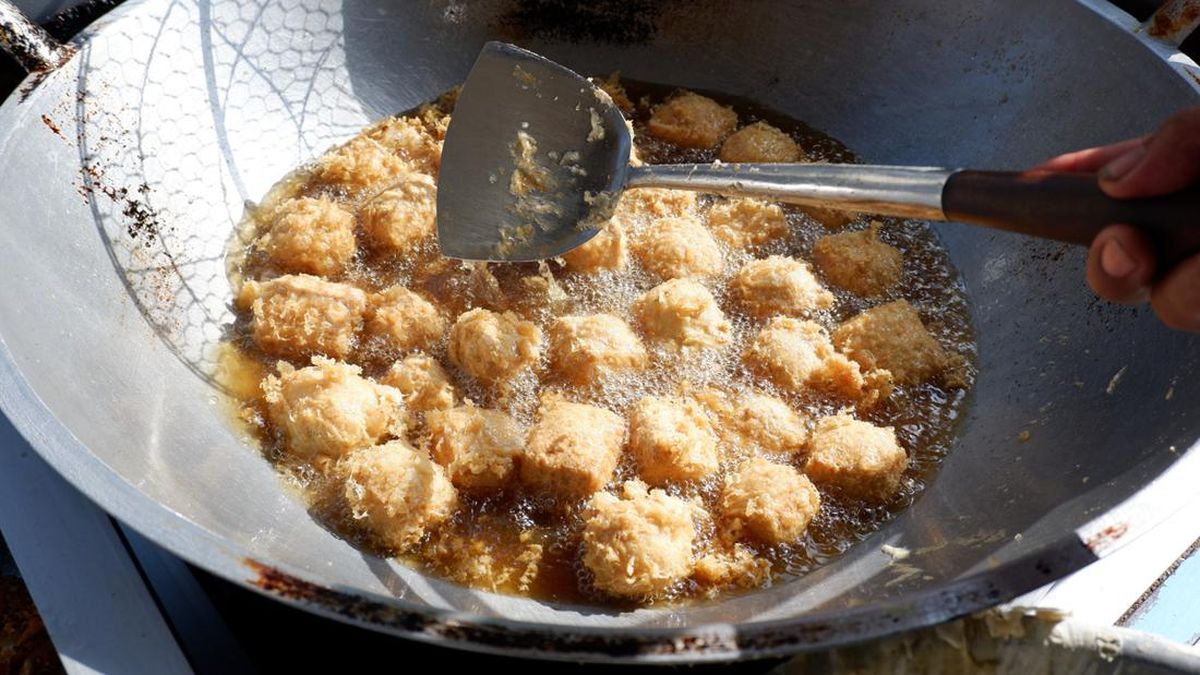
The mechanics of frying involve the evaporation of water from the food’s surface, which is then replaced by the oil in which it is submerged. This process is often intensified when foods are coated in batter or flour. The porous nature of these coatings acts like a sponge, soaking up massive amounts of oil. Consequently, fried foods are not only higher in calories but also lead to lower satiety compared to foods high in fiber or protein prepared through other methods. This contributes directly to the global obesity epidemic, as individuals consume more calories than their bodies require without feeling adequately full.
Healthier Alternatives: A Shift in Culinary Philosophy
To combat the rising tide of non-communicable diseases (NCDs) such as type 2 diabetes, hypertension, and heart disease, Dr. Tan and other health officials advocate for a return to traditional, healthier cooking methods. These include:
- Steaming (Pepes): A popular method in Southeast Asian cuisine involving wrapping food in banana leaves and steaming it. This preserves the moisture and nutrients without adding external fats.
- Boiling and Stewing: Preparing soups or stews allows the nutrients that leach out of vegetables and meats to remain in the broth, which is then consumed.
- Poaching: Cooking food in a liquid, such as water, milk, or stock, at a temperature just below boiling.
- Grilling or Roasting: While these can also produce some charring, they generally require far less oil than deep-frying.
Dr. Tan suggests that these variations should be integrated into the daily meals of the entire family. By diversifying the textures and flavors of healthy food, parents can reduce a child’s preference for the "crunch" of fried foods, which is often a learned sensory habit rather than a biological necessity.
Global Public Health Responses and Policy Implications
The issues raised by Dr. Tan Shot Yen are mirrored in global health policies. The World Health Organization (WHO) has been campaigning for the global elimination of industrially produced trans fats through its "REPLACE" action package. Launched in 2018, the initiative aims to protect hearts and save lives by encouraging governments to implement mandatory limits on industrially produced trans fats or ban partially hydrogenated oils.
From a socio-economic perspective, the reliance on frying is often linked to the "food environment." In urban areas, the "fried food economy" provides a livelihood for millions of street vendors. However, the lack of regulation regarding the quality of oil used—often referred to as "jelantah" or recycled cooking oil—further compounds the health risks. Recycled oil undergoes even more severe oxidation, increasing the concentration of polar compounds and polymers that are toxic to the liver and kidneys.
Public health analysts suggest that education alone is insufficient. There must be a structural shift in how food is marketed and made available. Incentivizing the use of healthier oils or providing subsidies for fresh produce could help bridge the gap for lower-income families who currently rely on cheap fried foods for sustenance.
Conclusion: A Call for Domestic Dietary Reform
The transition away from fried foods is a vital step in mitigating the global surge in chronic diseases. As Dr. Tan Shot Yen pointed out, the goal is to ensure that the nutrients provided by nature are not corrupted by the methods used in the kitchen. While occasional consumption of fried treats may not be immediately fatal, the cumulative effect of a "fried-centric" diet is a shortened lifespan and a reduced quality of life marked by metabolic complications.
The responsibility lies with both the individual and the state. Families are encouraged to rediscover the art of slow cooking, steaming, and boiling to preserve the life-giving properties of their food. Simultaneously, public health authorities must continue to monitor and educate the public on the "hidden" dangers of common culinary practices. As the medical community gains more insight into the cellular damage caused by acrylamides and trans fats, the message becomes increasingly clear: the frying pan, once a symbol of domestic convenience, may be one of the greatest silent threats to modern public health.