Exploring Bandung Without Engines: A Comprehensive Guide to Car Free Day Locations, Schedules, and Urban Impact

Every Sunday, the bustling streets of Bandung undergo a dramatic transformation, casting aside the relentless hum of motorized traffic to welcome pedestrians, cyclists, and families. This weekly ritual, widely known as Car Free Day (CFD), has become an integral part of the city’s social fabric, offering residents a rare opportunity to reclaim the asphalt for recreational pursuits, community gatherings, and environmental respite. As urban centers across Indonesia grapple with rising air pollution and traffic congestion, Bandung’s initiative stands out as a vital municipal strategy designed to promote public health, reduce carbon emissions, and foster a stronger sense of community. For both locals and tourists looking to plan their weekend itineraries, understanding the layout, timing, and regulations governing these vehicle-free zones is essential for a seamless experience.
The evolution of Car Free Day in Bandung reflects a broader national movement that gained significant momentum in the late 2000s. Originally conceived as an environmental campaign to raise awareness about air quality and the heavy reliance on private motor vehicles, urban CFD programs quickly evolved into beloved cultural traditions. In Bandung, the initiative has expanded over the years, adapting to urban development, shifting traffic patterns, and the changing demands of its populace. Municipal authorities, in collaboration with transportation and environmental agencies, have carefully curated specific corridors where vehicle restrictions can be implemented with minimal disruption to the city’s broader transit network. These zones not only serve as open-air gymnasiums for joggers and cyclists but also act as vibrant marketplaces where local vendors, street performers, and community groups converge.
For those planning to participate in this weekend tradition, knowing the exact locations and operational schedules is paramount. Currently, Bandung hosts Car Free Day activities across three distinct, highly popular zones, each offering its own unique atmosphere and historical charm.
The first major hub is Jalan Ir. H. Juanda, universally recognized as the Dago corridor. Historically one of Bandung’s most scenic and prestigious streets, the Dago CFD spans a considerable stretch flanked by mature, towering shade trees that create a remarkably cool microclimate during the early morning hours. This location has long been a favorite for fitness enthusiasts, ranging from serious runners to families taking a leisurely stroll. The Dago CFD operates on a bi-weekly schedule, specifically on the first and third Sunday of every month. Activities officially kick off at 06:00 AM and conclude promptly at 10:00 AM Western Indonesian Time (WIB), ensuring that vehicular traffic can resume by midday without causing severe gridlock.
The second designated area is located along Jalan Buahbatu, affectionately referred to by locals as Bubat. The vehicle-free zone here is strategically established between the Simpang Pelajar Pejuang intersection and the Simpang KH. Ahmad Dahlan intersection. Much like its Dago counterpart, the Buahbatu CFD runs on the first and third Sunday of each month, operating within the identical timeframe of 06:00 AM to 10:00 AM WIB. This corridor serves the densely populated southern residential sectors of Bandung, providing local families and youth with a safe, expansive space to engage in physical activities, cycling, and social interaction without the constant hazard of passing cars and motorcycles.
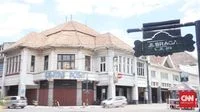
Offering a markedly different experience from the traditional park-and-street sports atmosphere of Dago and Buahbatu is the third location: Jalan Braga, prominently branded as Braga Beken (Braga Bebas Kendaraan, or Braga Vehicle-Free). Unlike the bi-weekly morning-only schedules of the other zones, the Braga Beken program represents a comprehensive, all-day pedestrianization effort. Every Sunday, from 00:00 AM to 23:59 WIB, the entirety of Jalan Braga is completely sealed off from motorized transport. This extended closure transforms the historic, heritage-rich corridor into a pedestrian haven. Visitors can wander freely past iconic art deco architecture, explore local art galleries, and patronize the myriad legendary cafes, bakeries, and modern culinary establishments that line the street. The all-day format of Braga Beken not only encourages morning recreation but also stimulates the local evening economy, allowing visitors to dine and socialize in a relaxed, walkable environment long after the sun goes down.
Despite the widespread popularity of these zones, municipal officials emphasize that the schedules and geographic boundaries of Bandung’s Car Free Days are not entirely static. Operational parameters can occasionally be modified, suspended, or rescheduled to accommodate major national holidays, special government events, emergency infrastructure works, or unforeseen security considerations. Consequently, urban planners and transport authorities strongly advise the public to consult the official channels of the Bandung City Transportation Agency (Dinas Perhubungan Kota Bandung) for real-time announcements and updates prior to setting out for their weekend outings.
To ensure that these shared public spaces remain safe, clean, and enjoyable for all attendees, strict regulatory frameworks are enforced by local law enforcement and municipal task forces. While the overarching objective is to provide absolute freedom from motorized vehicles, participants are expected to adhere to specific behavioral guidelines. These rules typically prohibit unauthorized commercial vending outside designated zones, mandate the proper disposal of waste to prevent littering, and restrict certain activities that could compromise public safety or obstruct the flow of pedestrians. Cyclists and skateboarders are generally encouraged to exercise caution and yield to pedestrians, particularly in densely crowded areas such as Jalan Braga and the central segments of Dago.
The broader implications of implementing regular Car Free Days extend far beyond immediate recreational benefits. Environmental scientists and urban mobility experts frequently point to these initiatives as crucial localized experiments in sustainable city planning. By temporarily slashing vehicular emissions in high-density corridors, events like Bandung’s CFD measurably improve localized air quality indices during their hours of operation. Furthermore, these programs offer psychological and social benefits, creating democratic public spaces where citizens from diverse socio-economic backgrounds can interact, exercise, and share civic life without the spatial barriers imposed by heavy automobile traffic.
As Bandung continues to grow as a major metropolitan and tourism hub, the sustained success of its Car Free Day programs highlights a broader paradigm shift in how urban spaces are conceptualized. By balancing the demands of modern transit with the fundamental human need for clean air, open space, and community engagement, the city sets a notable benchmark for urban sustainability in West Java. Whether one seeks an energetic morning workout beneath the shaded canopy of Dago, a family-oriented stroll through Buahbatu, or an immersive cultural immersion amid the historic storefronts of Braga Beken, Bandung’s Sunday traditions continue to offer a refreshing glimpse into a greener, more pedestrian-friendly urban future.