
The rapid acceleration of digital technology over the past three decades has fundamentally reshaped human behavior, creating a noticeable cultural and practical chasm between generations. Experiences that once defined daily life—such as purchasing physical media, making phone calls, or interacting face-to-face with customer service representatives—have been replaced by automated, cloud-based, and friction-reducing alternatives. These shifts have led to a modern sociological phenomenon: habits that are considered second nature by Generation Z and Millennials frequently bewilder Baby Boomers and Generation X. Conversely, traditional practices valued by older cohorts often appear inefficient or obsolete to younger populations.
This friction is not merely a matter of stubbornness; it is rooted in diverging formative experiences, economic realities, and technological literacy. As society navigates these behavioral shifts, examining the primary points of friction reveals a deeper narrative about how humanity defines convenience, value, and communication in the twenty-first century.
The Evolution of Consumerism: From Ownership to Access
One of the most profound economic and lifestyle shifts of the modern era is the transition from a model of ownership to a model of access. Historically, consumers purchased physical commodities—vinyl records, cassette tapes, compact discs, DVDs, software packages, and gaming cartridges. Once the initial transaction was complete, the buyer owned the item indefinitely, utilizing it repeatedly without incurring additional recurring costs.
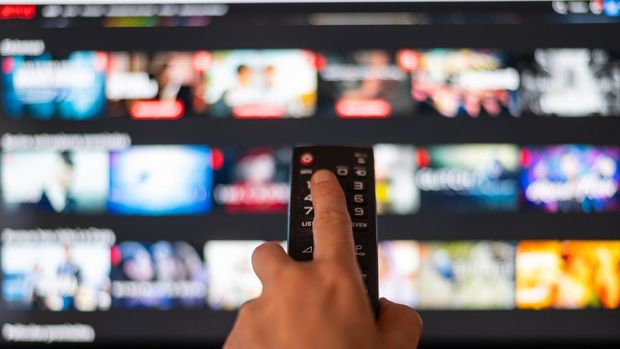
Today, this paradigm has been largely superseded by the subscription economy, powered by over-the-top (OTT) streaming platforms, cloud storage, software-as-a-service (SaaS) applications, and digital gaming libraries. Consumers no longer own their media; instead, they rent ongoing access to vast digital ecosystems.
According to reports examining consumer psychology, individuals raised in the 1960s, 1970s, and 1980s often struggle to justify the recurring expenditure of monthly subscriptions for services they may only use occasionally. To older generations, paying continuously for intangible digital assets feels fundamentally counterintuitive. Younger generations, however, have been socialized to prioritize flexibility, portability, and access over permanent possession, accepting subscription models as a standard cost of modern living.
The Impersonal Frontier: Chatbots and Customer Service Automation
The intersection of artificial intelligence and customer service has introduced another significant generational friction point. When modern consumers encounter billing errors, shipping delays, or defective products, their immediate recourse often involves navigating automated systems rather than speaking to a human representative. Chatbots equipped with natural language processing now act as the first line of defense for major corporations, offering automated links, pre-scripted troubleshooting steps, and minimal human empathy.
While younger generations, who grew up navigating digital interfaces, are accustomed to automated interactions, familiarity does not necessarily translate to approval. Comprehensive data from research firms highlights widespread consumer fatigue regarding artificial intelligence in customer service. A notable 2024 survey conducted by Gartner, which polled 5,700 consumers, revealed that 64 percent of respondents would prefer that companies refrain from utilizing artificial intelligence in customer support frameworks.

The divergence lies in the reaction to these systems. While both younger and older generations express frustration with unhelpful bots, older cohorts are statistically more vocal in their rejection. Boomers and Gen X are more likely to bypass automated channels entirely, demanding to speak with human supervisors, placing traditional telephone calls, or even resorting to physical correspondence to secure a resolution.
The Modern Lexicon of Avoidance: The Rise of Ghosting
Social dynamics have similarly undergone a digital overhaul, perhaps most visibly in interpersonal communication and conflict resolution. The practice of "ghosting"—the abrupt cessation of communication without explanation—has become a pervasive cultural phenomenon, stretching across dating scenarios, professional recruitment processes, and even casual friendships.
For many digital natives, silent withdrawal functions as a non-confrontational, energy-conserving boundary. The logic posits that withholding a definitive rejection spares both parties from prolonged discomfort. However, for Baby Boomers and Generation X, whose social norms were built upon direct, verbal, or written closure, ghosting is perceived as deeply discourteous and bewildering. To older generations, receiving a clear "no" is a sign of respect and accountability, making the silent treatment a jarring violation of traditional social etiquette.
The Silence of the Smartphone: The Decline of the Phone Call
Perhaps no daily habit highlights the generational divide quite like attitudes toward telephonic communication. For decades, the telephone was the primary instrument for instantaneous connection. Today, however, voice calls are increasingly viewed by younger demographics as intrusive, anxiety-inducing, and inefficient interruptions.
Empirical data underscores this cultural shift. A 2024 study conducted by media advisory group Uswitch found that roughly 23 percent of individuals aged 18 to 34 never answer unexpected voice calls. Furthermore, over half of the respondents—56 percent—admit to viewing sudden incoming phone calls as an immediate harbinger of bad news, preferring asynchronous communication channels such as text messaging, instant messaging apps, or email.
This aversion stems from the asynchronous nature of modern messaging, which allows individuals to curate their responses thoughtfully and manage their time without being cornered into real-time reactions. Older generations, who remember the era before smartphones when calls were the only alternative to physical mail or in-person visits, often interpret this avoidance as antisocial or dismissive.
The Digital Menu and the QR Code Revolution
The hospitality industry has likewise become a battleground for generational habits, largely accelerated by the global health crisis of the early 2020s, which normalized touchless interactions. Today, walking into a restaurant often means bypassing a physical paper menu in favor of scanning a Quick Response (QR) code with a smartphone camera to view items digitally.
While QR codes offer undeniable logistical advantages for establishments—allowing for real-time menu updates, dynamic pricing, and reduced printing costs—they present distinct hurdles for patrons with visual impairments or those less comfortable navigating mobile operating systems.
Interestingly, the resistance to digital-only menus is not confined strictly to older generations. While Boomers frequently express frustration over navigating tiny screens and illegible fonts, comprehensive industry data suggests a broader underlying preference. A 2022 survey by Technomic indicated that 88 percent of overall restaurant-goers prefer physical, printed menus, a figure that includes an impressive 86 percent of Gen Z respondents. This suggests that while young people readily adapt to QR codes out of convenience, the tactile experience of a physical menu retains universal appeal.
The Economics of Convenience: Food Delivery and Service Fees
The rise of on-demand food delivery applications has transformed culinary consumption, turning dining out into an indoor, app-driven experience. However, the convenience comes at a marked financial premium. Consumers utilizing delivery apps frequently contend with inflated menu prices, service fees, delivery charges, small-order fees, and driver tips that can easily double the cost of a meal.
For Boomers and Gen X, paying exorbitant fees to have a meal transported from a restaurant located fifteen minutes away often defies logic. To older generations, the expenditure represents an unnecessary waste of financial resources when self-collection is a viable alternative. Conversely, younger generations view delivery fees not merely as an inflated cost for food, but as a strategic purchase of time, energy, and cognitive bandwidth—commodities that many modern workers value at a higher premium than cash.
Implications and the Path Forward
These behavioral divergences highlight a broader sociological evolution. The habits of Generation Z and Millennials are largely shaped by an environment defined by information overload, time scarcity, and digital integration. Every modern habit—from subscribing to services rather than owning them, to avoiding phone calls and outsourcing mundane tasks—is an optimization strategy designed to navigate a fast-paced world.
At the same time, the confusion and resistance expressed by Baby Boomers and Generation X serve as a reminder of the enduring value of human touch, tangible ownership, and direct communication. As society continues to evolve, bridging this generational gap will require mutual empathy: younger generations would do well to recognize the value of clear accountability and human connection, while older cohorts can benefit from understanding the systemic pressures that drive modern technological adoption. Ultimately, these contrasting habits are not merely generational quirks, but a reflection of humanity constantly adapting to the tools it creates.