Understanding Bilateral Cooperation: The Strategic Pillars of Indonesia’s Global Diplomacy

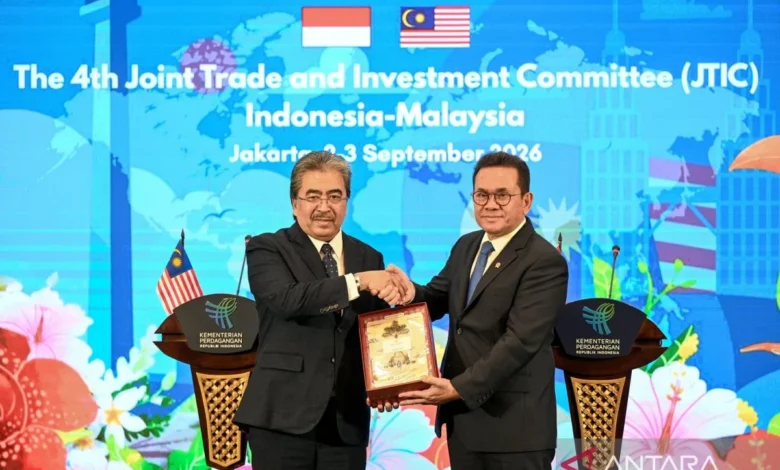
Bilateral cooperation serves as the foundational architecture of modern international relations, functioning as a direct mechanism through which two sovereign nations align their interests to achieve mutual prosperity and security. By fostering specialized agreements that range from economic partnerships and political alignment to cultural exchanges and technological collaboration, countries can navigate the complexities of a globalized world more effectively. For Indonesia, a nation positioned at a critical geopolitical crossroads, the cultivation of robust bilateral ties is not merely a diplomatic preference but a strategic imperative to fulfill its national interests and project influence on the world stage.
The Essence of Bilateral Diplomacy in the 21st Century
At its core, bilateral cooperation is defined by the interaction between two distinct entities. Unlike multilateralism—which involves complex negotiations among dozens or hundreds of states within international organizations—bilateralism offers a streamlined, focused approach to diplomacy. It allows nations to tailor agreements to their specific needs, addressing unique challenges and capitalizing on complementary strengths.
The Indonesian Ministry of Foreign Affairs identifies bilateral engagement as a primary instrument of its foreign policy. By focusing on direct, state-to-state dialogue, Jakarta can address localized issues, such as border security, specific trade barriers, or regional infrastructure projects, with a level of precision that multilateral forums often lack. As of August 2025, Indonesia maintains formal bilateral relations with 162 sovereign nations and one special territory, reflecting a comprehensive strategy to engage with diverse regions across the globe, from Southeast Asia to the European Union and the African continent.
Historical Context and Evolution of Indonesia’s Foreign Policy
Indonesia’s approach to bilateralism has evolved significantly since its independence. Historically, the nation’s “Free and Active” (Bebas-Aktif) foreign policy doctrine has guided its interactions, ensuring that it maintains independence while actively participating in global affairs. Throughout the Cold War, this policy allowed Indonesia to form critical bilateral economic ties with both the Western bloc and the Soviet-aligned nations without compromising its sovereignty.
In the post-Cold War era, the focus shifted toward economic development and the promotion of democracy. The 1990s and early 2000s saw a surge in bilateral investment treaties (BITs) designed to attract foreign direct investment (FDI) to fuel domestic industrialization. By the mid-2020s, the scope of these agreements expanded to include "New Economy" sectors, such as renewable energy transition, digital governance, and semiconductor supply chain integration. This evolution demonstrates a transition from basic trade agreements to complex, long-term strategic partnerships.
Strategic Objectives of Bilateral Engagement
The pursuit of bilateral cooperation is driven by several key strategic objectives, each serving to bolster national resilience and global integration:
1. Consolidation of Diplomatic Relations
Diplomatic ties form the bedrock of international stability. Through regular high-level visits, state dinners, and diplomatic consultations, countries build the trust necessary to resolve disputes peacefully. Strong bilateral relationships act as a buffer during times of global geopolitical volatility, providing reliable channels of communication when global systems face disruption.
2. Economic Catalyst and Market Access
Economic bilateralism is perhaps the most visible form of cooperation. By signing Free Trade Agreements (FTAs) or Comprehensive Economic Partnership Agreements (CEPAs), nations reduce tariffs and harmonize regulatory standards. For Indonesia, these agreements are vital for opening markets to its exports—such as processed palm oil, textiles, and automotive components—while securing the capital and technology imports necessary for its "Golden Indonesia 2045" vision.
3. Human Capital and Intellectual Exchange
Modern bilateralism transcends trade in goods. It increasingly emphasizes the movement of talent. Through scholarship programs (such as the Australia Awards or the Indonesia-Netherlands scholarship schemes), research collaborations, and vocational training exchanges, nations elevate their human capital. These programs ensure that domestic workforces are equipped with the skills necessary to compete in a globalized, knowledge-based economy.
4. Technological Sovereignty and Innovation
Transfer of technology remains a cornerstone of bilateral agreements between developed and developing nations. By partnering with technological leaders, Indonesia aims to localize high-tech manufacturing. Recent partnerships in the electric vehicle (EV) battery sector serve as a prime example, where Indonesia leverages its mineral reserves to invite foreign firms to build processing plants, thereby upgrading its position in the global value chain.
5. Security, Defense, and Border Management
Bilateral defense cooperation includes joint military exercises, intelligence sharing, and maritime security patrols. Given the complexities of the South China Sea and other regional maritime zones, bilateral defense pacts—such as those with neighbors like Malaysia, Singapore, and Australia—are critical to maintaining regional stability and preventing transnational crimes, including human trafficking and illegal, unreported, and unregulated (IUU) fishing.
Case Studies: Operationalizing Bilateralism
To understand the practical application of these principles, one can examine recent examples of Indonesia’s diplomatic engagements:
The Indonesia-Netherlands Model: This relationship serves as a template for mature, post-colonial cooperation. The partnership has shifted from a historical focus to one centered on sustainable economic growth, circular economy initiatives, and climate resilience. The involvement of Dutch expertise in Indonesia’s water management and infrastructure projects demonstrates how bilateralism can address climate change at the national level.
The Papua New Guinea (PNG) Mechanism: Border management is a sensitive and vital aspect of Indonesia’s diplomacy. The Annual Leaders’ Dialogue, established in 2022, serves as the primary forum for managing the shared border. By utilizing mechanisms like the Joint Ministerial Commission and Senior Officials’ Meetings, both nations can address local community needs, border security, and economic cooperation, preventing regional instability.
Distinguishing Bilateral from Multilateral Frameworks
A frequent point of confusion in foreign policy discourse is the difference between bilateral and multilateral engagement. The primary distinction is the number of participants and the complexity of the agenda.
- Bilateralism: Involves two states. It is characterized by high levels of flexibility, faster negotiation cycles, and a focus on specific national interests.
- Multilateralism: Involves three or more states, often through institutional frameworks like ASEAN, the UN, or the G20. While multilateralism is essential for setting global norms and addressing collective issues like climate change or pandemics, it often requires compromise from all parties, leading to slower implementation.
Crucially, these are not mutually exclusive. Indonesia’s participation in ASEAN is a prime example of a country leveraging multilateralism to amplify its bilateral influence. ASEAN acts as a "hub" through which Indonesia can conduct its bilateral relations with major powers like China, Japan, and the United States, utilizing the ASEAN-Plus frameworks to maintain regional centrality.
Implications for Indonesia’s Future
The data regarding Indonesia’s 162 bilateral partners indicates a shift toward a more diversified diplomatic strategy. By avoiding over-reliance on a single bloc, Indonesia minimizes the risks associated with global supply chain disruptions. This strategy allows the nation to act as a "bridge-builder" in international forums, as seen in its leadership during the 2022 G20 Presidency, where it managed to maintain dialogue despite deep global divisions.
Looking ahead, the effectiveness of Indonesia’s bilateral diplomacy will be measured by its ability to secure concrete outcomes—such as the recent discussions regarding food security with Sudan or the alignment of national interests with organizations like BRICS. As the global landscape becomes increasingly multipolar, the ability to negotiate bespoke, mutually beneficial arrangements will determine a nation’s capacity to protect its economic sovereignty and promote its national agenda.
Conclusion: The Strategic Necessity
Bilateral cooperation remains the primary tool for states to navigate the demands of an interconnected world. For Indonesia, the vast network of bilateral agreements it has cultivated is a testament to its commitment to constructive engagement. From the technical nuances of a memorandum of understanding on technology transfer to the strategic weight of a defense pact, these interactions provide the stability and opportunity necessary for national development. As Indonesia approaches mid-century, its ability to refine and expand these relationships will be central to its role as a stable, prosperous, and influential actor in the global community. Through the disciplined application of bilateral diplomacy, Indonesia continues to ensure that its national interests are heard, understood, and realized on the global stage.