Green SM Bike officially launches electric motorcycle ride-hailing services in Jakarta to expand sustainable urban mobility solutions

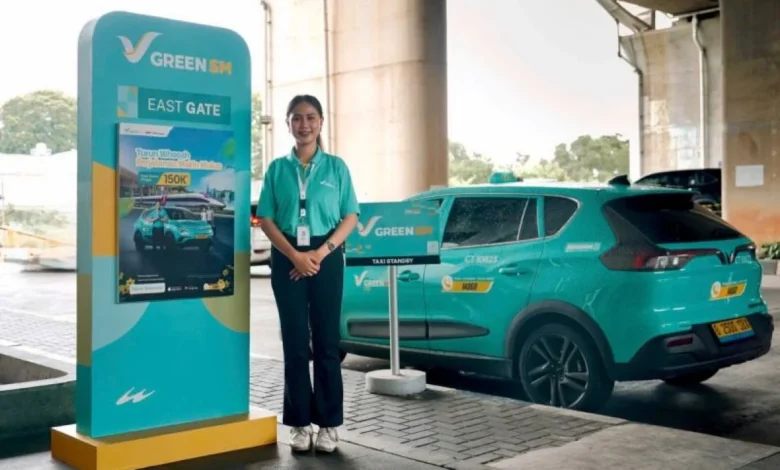
The landscape of urban transportation in Jakarta witnessed a significant shift on September 16, 2026, with the official debut of Green SM Bike. As the international ride-hailing arm of Vietnam’s prominent transportation conglomerate, Green SM has strategically chosen the Indonesian capital as the inaugural international market for its electric motorcycle (e-bike) operations. Following the successful deployment of its electric taxi fleet, this expansion signals a comprehensive push to integrate zero-emission vehicles into the daily commute of millions, while simultaneously introducing innovative financial models for prospective driver-partners.
Strategic Entry and Operational Footprint
Green SM’s entry into the two-wheeled sector is not merely an addition of vehicles to the road; it represents a calculated effort to electrify the high-frequency, short-distance transit market that dominates Southeast Asian cities. For its initial phase, the company has concentrated its operations within high-density areas, specifically targeting Jakarta Selatan (South Jakarta), Jakarta Barat (West Jakarta), and Jakarta Pusat (Central Jakarta).
The choice of geography is deliberate, as these regions represent the core of Jakarta’s business and residential hubs, where the demand for agile, efficient, and affordable transport is constant. By deploying VinFast’s Evo and Feliz II electric scooter models, Green SM is leveraging hardware known for its durability and suitability for urban terrain. These models are supported by a developing network of battery-swapping stations, an essential infrastructure component that aims to mitigate the "range anxiety" often associated with electric vehicle (EV) adoption in public transport.
The Financial Model: Rent-to-Own and Flexible Leasing
One of the most disruptive aspects of Green SM’s business model is its approach to driver partnerships. Recognizing the high barrier to entry for many potential ride-hailing drivers—namely the cost of purchasing a reliable, high-quality electric vehicle—the company has introduced a "rent-to-own" scheme.
Under this program, drivers can access a vehicle for a daily fee starting at Rp39,000. This is not a standard rental agreement; it is a structured path to ownership. After participating in the program for a continuous period of two years and adhering to the company’s terms, the vehicle title transfers to the driver. This initiative serves a dual purpose: it lowers the financial risk for the driver while fostering a committed and professionalized workforce.
For those who prefer not to commit to long-term ownership, Green SM offers flexible leasing options with contracts spanning three, six, or 12 months. These options require a modest deposit of Rp150,000, ensuring that the barrier to entry remains low for individuals looking to explore the ride-hailing gig economy without the pressure of asset acquisition. The company has further incentivized these programs by promising a potential daily income of up to Rp160,000 for drivers who meet specific performance metrics during the initial two months, alongside performance-based bonuses.
Recruitment Standards and Professional Development
Green SM has implemented a rigorous, yet accessible, recruitment framework to ensure that its service maintains high safety and professional standards. Prospective partners must be between the ages of 21 and 54 years and six months. Required documentation includes a valid SIM C (motorcycle driving license), a national identity card (KTP), a family card (KK), and a police clearance certificate (SKCK).
Beyond these bureaucratic requirements, the company emphasizes digital literacy, necessitating that drivers possess smartphones capable of operating the proprietary Green SM navigation and dispatch application. More importantly, the company mandates a pre-operational training phase. This training covers not only the technical nuances of operating VinFast electric scooters—such as regenerative braking systems and battery management—but also standard operating procedures for customer service and safety protocols. This emphasis on training reflects a growing concern among regulators, such as the Indonesian National Police (Korlantas Polri), regarding the safety of electric vehicles in mixed traffic and the necessity for standardized driver behavior.
Chronology of Expansion and Regulatory Oversight
The path to this launch was marked by both growth and scrutiny. Green SM’s history in Indonesia began with its four-wheeled electric taxi service, which rapidly became a fixture in Jakarta’s transportation ecosystem. However, the company’s expansion has not been without challenges. In early 2026, reports surfaced regarding a safety-related incident involving a Green SM taxi pool in Bekasi, which prompted a formal inspection by the Ministry of Transportation.
This incident served as a catalyst for a stronger collaborative relationship between the company and government bodies. In the months leading up to the September 2026 motorcycle launch, Green SM engaged in high-level discussions with the Korlantas Polri to prioritize road safety. This collaboration resulted in the implementation of specialized safety modules for all new drivers. The move has been widely interpreted by industry analysts as a proactive effort to preempt regulatory hurdles and demonstrate a commitment to corporate responsibility, particularly as the company transitions from the highly controlled environment of car fleets to the more dynamic and hazardous environment of motorcycle-based ride-hailing.
Broader Implications for the Indonesian Transport Sector
The introduction of Green SM Bike carries significant implications for Indonesia’s broader transition toward green energy. Firstly, it places direct competitive pressure on existing local ride-hailing giants, such as Gojek and Grab, to accelerate the electrification of their own fleets. The competition is expected to drive down the cost of green transport for consumers and incentivize the rapid expansion of charging infrastructure across the archipelago.
Secondly, the "rent-to-own" model could serve as a template for other gig-economy industries. By facilitating the ownership of electric assets, Green SM is effectively creating a new class of micro-entrepreneurs who are invested in the longevity and maintenance of their vehicles. If successful, this could lead to higher vehicle maintenance standards and a reduction in the long-term environmental impact of the ride-hailing industry.
However, the model also faces systemic risks. The financial viability of the Rp160,000 daily income target relies heavily on demand consistency, battery supply chain stability, and the continued reliability of the charging network. Any fluctuation in electricity costs or spare parts availability could impact the thin margins of the drivers. Furthermore, the company’s ability to scale depends on its relationship with the Indonesian government, which has been increasingly cautious regarding the safety protocols of EV operators following previous public incidents.
Future Outlook
As of mid-September 2026, Green SM’s operations are confined to specific corridors in Jakarta. Yet, the company’s internal roadmap suggests that this is merely a beachhead. With the support of VinFast’s manufacturing capacity and the increasing demand for sustainable urban mobility in Southeast Asia’s largest economy, the potential for expansion into secondary cities such as Surabaya, Bandung, and Medan is high.
For the Indonesian consumer, the arrival of Green SM Bike offers a cleaner, potentially more affordable, and technologically integrated way to navigate the congestion of Jakarta. For the prospective driver, it offers a structured pathway toward vehicle ownership and stable employment in an evolving digital economy. As the first international market for the brand, Indonesia is now the testing ground for a business model that seeks to balance the ambitious goals of environmental sustainability with the pragmatic needs of the urban workforce. The coming months will be critical in determining whether Green SM can sustain this momentum and whether its electric ecosystem will indeed become the blueprint for future urban mobility in the region.
Related posts: