Exploring International Wonders Without Leaving the Archipelago: Seven Indonesian Destinations That Mirror Global Landmarks

Indonesia continues to position itself as one of the world’s premier tourism powerhouses, offering a diverse array of landscapes that rival some of the most celebrated international destinations. From crystalline volcanic lakes cradled by towering mountain ranges to dense, atmospheric bamboo groves and dramatic limestone valleys, the Southeast Asian archipelago boasts a remarkable geographical variety. While these domestic locations do not share the exact ecological or historical footprint of their foreign counterparts, striking similarities in topography, geological formations, water coloration, savanna expanses, and regional atmospheric conditions have frequently drawn comparisons from international travel publications, prominent public figures, and global tourists alike.
This phenomenon of domestic globetrotting has gained substantial momentum over the past decade. As international travel costs fluctuate and sustainability concerns surrounding carbon footprints grow, domestic tourism has emerged as a resilient economic driver. Industry experts and tourism analysts note that recognizing these localized parallels not only boosts domestic travel expenditure within Indonesia but also disperses economic benefits away from hyper-saturated tourist hubs like Bali into emerging regional economies. Travelers seeking the visual grandeur of the Swiss Alps, the tropical serenity of the Maldives, or the mystical tranquility of Kyoto’s bamboo forests can experience these distinct moods entirely within the sovereign borders of the republic.
An In-Depth Overview of Indonesia’s Global Doppelgängers
The conceptualization of Indonesian destinations mirroring foreign landmarks is deeply rooted in the nation’s geological complexity. Situated along the Pacific Ring of Fire and straddling major tectonic plates, Indonesia features complex topography characterized by high volcanic peaks, extensive marine biodiversity, and ancient rainforests. These varied ecosystems naturally parallel environments found across Europe, East Asia, Africa, and Oceania.
Tourism economists and cultural observers emphasize that the branding of these locations as international lookalikes serves as an effective marketing tool in the digital age. In an era dominated by visual-first social media platforms, aesthetic familiarity combined with the allure of domestic accessibility creates a powerful incentive for travelers. Below is a comprehensive examination of three premier Indonesian destinations that capture the essence of international landmarks, complete with logistical insights, financial contributions, and contextual background.
- Lake Toba, North Sumatra: The Swiss Alpine Experience in Southeast Asia
Nestled in the heart of North Sumatra, Lake Toba stands as an undeniable geological marvel. Recognized as the largest volcanic lake in the world and the site of a colossal supervolcanic eruption estimated to have occurred roughly 74,000 years ago, Toba offers a breathtaking expanse of deep blue freshwater framed by dramatic, undulating hills and towering mountain ridges. At the center of this vast caldera lies Samosir Island, an expanse roughly the size of Singapore that serves as the cultural heartland of the indigenous Batak Toba people.
The comparison between Lake Toba and the pristine alpine lakes of Switzerland is most acutely justified when viewed from Huta Ginjang, an elevated viewpoint situated in the Tapanuli Utara regency. Perched at approximately 1,095 meters above sea level, Huta Ginjang provides visitors with a sweeping, panoramic vista of the immense water body, the imposing Bukit Barisan mountain range, and the patchwork agricultural fields below. The crisp highland air, combined with the stillness of the deep waters against a backdrop of mist-shrouded peaks, evokes the unmistakable tranquility of central European landscapes.
From a regulatory and economic standpoint, the management of Lake Toba has undergone significant institutional transformation. Designated by the Indonesian central government as one of the "Super Priority Tourism Destinations" (DPSP), billions of rupiah have been funneled into infrastructural development, international airport upgrades in Silangit, and localized environmental rehabilitation programs. According to data from the Toba Lake Authority (BPODT), accessing the Huta Ginjang vantage point remains highly affordable, with an entry fee of approximately IDR 6,000 per person. This minimal contribution directly supports regional maintenance and local community cooperatives.
Tourism stakeholders and regional economists argue that the elevation of Lake Toba to an international standard must balance ecological preservation with aggressive marketing. Historical challenges, such as floating net fish farming and water quality degradation, have previously threatened the pristine appeal of the lake. However, rigorous conservation frameworks implemented by the Ministry of Tourism and Creative Economy aim to ensure that the Swiss-like aesthetic of Toba is preserved for generations of domestic and international travelers to come.
- Raja Ampat, Southwest Papua: The Maldivian Marine Paradise
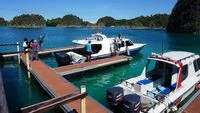
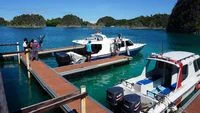
Moving eastward across the Indonesian archipelago brings travelers to Raja Ampat, an archipelago comprising over 1,500 small islands, cays, and shoals surrounding the four main islands of Waigeo, Batanta, Salawati, and Misool. Located off the northwest tip of Bird’s Head Peninsula in Southwest Papua, Raja Ampat is universally celebrated as the crown jewel of global marine biodiversity. The region sits at the heart of the Coral Triangle, harboring an astounding 75 percent of all known coral species and over a thousand species of reef fish.
In terms of visual aesthetics, Raja Ampat is frequently likened to the Maldives. The comparison is driven by the striking clarity of its turquoise and emerald waters, powdery white-sand beaches, and the surreal architecture of steep, forest-capped karst islets rising straight out of the ocean. Piaynemo, one of the most iconic viewpoints in the region, offers a breathtaking panorama of labyrinthine karst formations scattered across ultra-clear shallows, mirroring the iconic atoll structures of the Indian Ocean nation.
However, the management model of Raja Ampat differs significantly from typical mass-tourism destinations, emphasizing ecological sustainability and indigenous rights. To preserve its fragile marine ecosystems from over-tourism, the local government and conservation agencies enforce a mandatory environmental entrance fee. Currently, local Indonesian tourists are assessed a conservation fee of IDR 500,000, while international visitors contribute IDR 1,000,000. These tariffs directly fund marine patrol units, coral reef restoration projects, and community-based conservation stipends for local Papuan clans who traditionally own the customary waters and land.
Environmental scientists and marine biologists frequently praise Raja Ampat’s high resilience to global coral bleaching events, attributing this success to strong local management and stringent visitor caps. For travelers seeking the overwater bungalow luxury and crystal-clear aquatic visibility associated with the Maldives, Raja Ampat delivers an experience that is not only visually comparable but ecologically richer and deeply intertwined with indigenous Melanesian culture.
- Keputih Bamboo Forest, Surabaya, East Java: Kyoto’s Sagano Grove in an Urban Setting
While Indonesia is widely recognized for its natural wilderness, volcanic peaks, and marine ecosystems, urban green spaces have also emerged as surprising repositories of international scenery. Located in the eastern sector of Surabaya, East Java—specifically along Jalan Raya Marina Asri in the Keputih sub-district—lies the Keputih Bamboo Forest.
This urban sanctuary features dense, towering clusters of bamboo that arch gracefully over pedestrian pathways, creating a natural tunnel of emerald green foliage. The play of filtered sunlight through the swaying stalks generates an atmosphere of profound serenity, immediately drawing comparisons to the world-famous Sagano Bamboo Forest situated in Arashiyama, Kyoto, Japan. Visitors stepping into the Keputih grove find themselves insulated from the hum of Indonesia’s second-largest metropolis, enveloped instead by the rustling of bamboo leaves.
The transformation of the Keputih area is a compelling case study in urban ecological reclamation. Historically, the land functioned as the Keputih final waste disposal site (TPF). Through visionary municipal governance and aggressive urban greening initiatives spearheaded by the Surabaya City Government, the former landfill was capped, rehabilitated, and replanted with bamboo species supplied by local nurseries and botanical collections. Today, it stands as a testament to successful urban forestry and environmental rehabilitation.
Logistically, the Keputih Bamboo Forest is one of the most accessible and cost-effective cultural escape points in the country. Reflecting its status as a public municipal park, there is no admission fee charged to visitors. Nominal contributions are limited strictly to parking management, requiring roughly IDR 2,000 for motorcycles and IDR 5,000 for automobiles. This accessibility makes it a favored location for nature photography, educational field trips, and weekend relaxation for urban residents who may not have the immediate financial means to travel abroad to East Asia.
Economic Implications and the Future of Domestic Tourism in Indonesia
The presence of these globally mirrored destinations within Indonesia carries profound socioeconomic and structural implications. From a macroeconomic perspective, encouraging domestic travel through the promotion of local "foreign lookalikes" serves as a strategic countermeasure against national trade deficits driven by outbound tourism. When Indonesian citizens choose to spend their leisure capital domestically—visiting North Sumatra, Southwest Papua, or East Java—the multiplier effect directly stimulates regional gross domestic product (GDP), empowers micro, small, and medium enterprises (MSMEs), and generates sustainable local employment.
Furthermore, tourism authorities stress that this trend fosters a deeper sense of national identity and environmental stewardship. By realizing that world-class natural beauty exists within their own national borders, citizens are more likely to advocate for environmental conservation, waste reduction, and the protection of indigenous cultural heritage.
As infrastructure projects—such as the completion of the Trans-Sumatra Toll Road, regional airport expansions, and maritime connectivity programs—continue to integrate the archipelago, these seven iconic destinations, alongside others awaiting discovery, are positioned to redefine the standard of global travel. Travelers no longer need to cross oceans to witness alpine splendor, tropical atolls, or tranquil bamboo groves; the wonders of the world are seamlessly woven into the rich tapestry of the Indonesian landscape.