Navigating Seafood Safety: A Comprehensive Guide to High-Mercury Fish and Their Impacts on Breastfeeding Mothers

For women navigating the postnatal period, nutrition plays a foundational role in both maternal recovery and infant development. Among the cornerstones of a balanced postpartum diet are fish and seafood, celebrated universally by dietitians and pediatricians alike for their rich concentrations of high-quality protein, essential amino acids, and healthy fats. Most notably, marine life serves as a primary dietary source of omega-3 long-chain polyunsaturated fatty acids, specifically docosahexaenoic acid (DHA) and eicosapentaenoic acid (EPA). These vital nutrients are fundamentally linked to the optimization of neurological development, cognitive function, and visual acuity in infants, while simultaneously supporting cardiovascular health and mitigating postpartum mood disorders in mothers.
However, the intersection of maternal nutrition and seafood consumption is nuanced. While the nutritional benefits of incorporating fish into the diet are substantial, environmental pollutants present in aquatic ecosystems introduce significant safety considerations. Chief among these contaminants is methylmercury, a toxic heavy metal that bioaccumulates in the marine food web. During the postpartum and breastfeeding phase, a mother’s dietary intake directly influences the composition of her breast milk, creating a direct pathway for the transfer of ingested elements to the nursing infant. Consequently, health authorities worldwide emphasize that not all fish are created equal, and consuming certain species can pose severe health risks due to elevated mercury concentrations.
Understanding the mechanics of mercury accumulation, recognizing which species to avoid, and exploring safe dietary alternatives are critical components of modern maternal healthcare. This comprehensive guide examines the physiological impacts of mercury exposure during lactation, outlines specific fish species classified as high risk by international regulatory bodies, and provides actionable insights for postpartum nutritional planning.
The Science of Methylmercury: Bioaccumulation and Neurotoxicity
To understand why certain fish are restricted during breastfeeding, it is necessary to examine how methylmercury enters the aquatic food chain and subsequently impacts human physiology. Mercury is released into the atmosphere through industrial processes, fossil fuel combustion, and natural geological events such as volcanic eruptions. Once airborne, mercury settles into oceans, lakes, and rivers, where aquatic microorganisms convert inorganic mercury into methylmercury.
This organic form of mercury is rapidly absorbed by plankton, which are then consumed by small fish. As smaller organisms are consumed by larger predators—a process known as trophic transfer—methylmercury is not excreted; instead, it accumulates and concentrates in the muscle tissue of the predator. Consequently, long-lived, apex predatory fish situated at the top of the marine food chain harbor the highest concentrations of mercury.
When humans consume mercury-laden seafood, methylmercury is efficiently absorbed through the gastrointestinal tract and enters the bloodstream. In adults, high levels of mercury exposure can damage the central nervous system, impair cardiovascular health, and affect renal function. However, the stakes are significantly higher for infants. During the first year of life, a baby’s brain undergoes rapid structural and functional development. The central nervous system of an infant is exceptionally vulnerable to environmental neurotoxins. While methylmercury can pass into breast milk, the primary concern during lactation is that maternal consumption reflects ongoing systemic exposure, which can theoretically impact the nursing infant through milk transfer or limit the mother’s ability to safely care for her child if toxicity develops. Regulatory agencies therefore urge lactating women to exercise the same dietary caution regarding high-mercury fish as pregnant women do.
Regulatory Frameworks and Guidelines: FDA and EPA Classifications
Recognizing the delicate balance between the nutritional advantages of seafood and the toxicological risks of heavy metal exposure, major public health institutions have established rigorous dietary guidelines. In the United States, the Food and Drug Administration (FDA) and the Environmental Protection Agency (EPA) collaborate to issue joint advice concerning fish consumption for populations considered vulnerable, which explicitly includes individuals who are pregnant, planning to become pregnant, breastfeeding, or raising young children.
The advisory categorizes fish into three distinct groups based on their mercury content: "Best Choices," "Good Choices," and "Choices to Avoid." This classification system is designed to empower consumers to maximize their intake of beneficial omega-3 fatty acids while minimizing their exposure to methylmercury. While low-mercury fish can and should be consumed multiple times a week to support developmental milestones, species falling into the "Choices to Avoid" category are flagged for immediate exclusion from the maternal diet.
The rationale behind these classifications is rooted in extensive toxicological surveillance and tissue sampling data gathered from global fisheries. When an aquatic species exhibits consistently high parts-per-million (PPM) readings of mercury across regional populations, it is systematically barred from recommendations for sensitive consumer demographics.
Seven High-Mercury Fish Species to Avoid During Breastfeeding
To assist mothers in making informed dietary choices, regulatory bodies have identified specific apex predators and long-lived species that consistently test positive for unsafe levels of mercury. The following seven fish types are universally recommended for complete avoidance during the breastfeeding period.
-
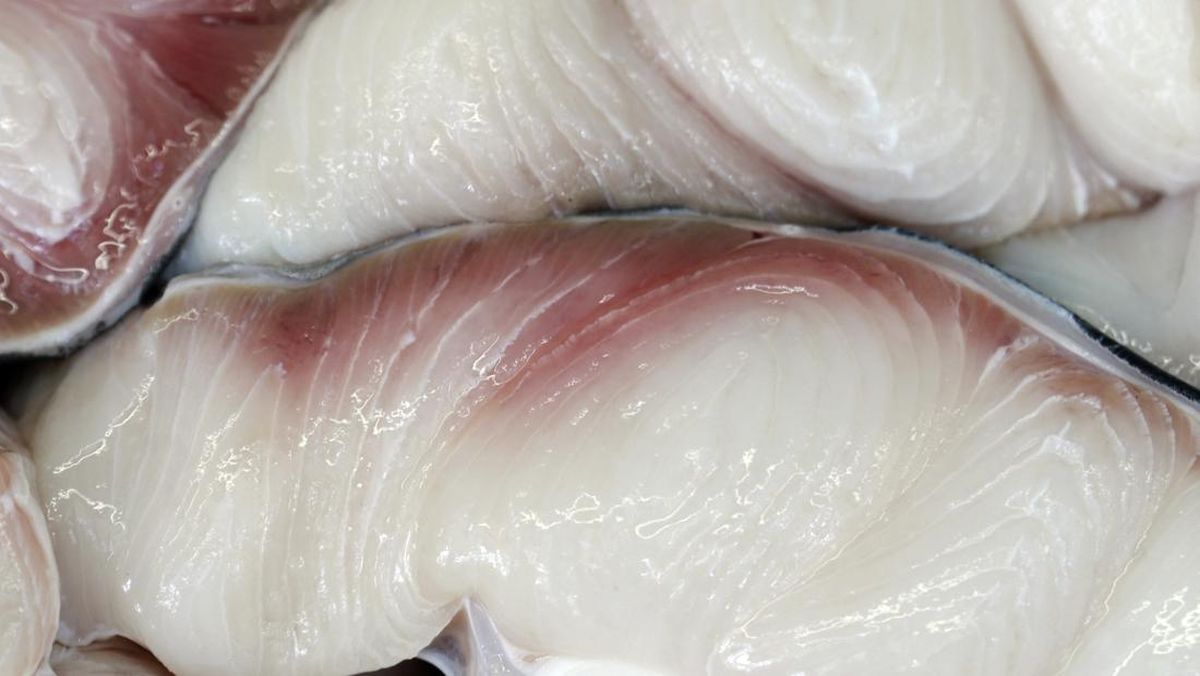
Shark
As apex predators of the marine ecosystem, sharks occupy the absolute top tier of the oceanic food web. Because they sit at the summit of this predatory hierarchy and possess exceptionally long lifespans, sharks consume vast quantities of smaller fish over many years. This predatory lifestyle causes massive bioaccumulation of methylmercury in their muscle and fatty tissues. Shark meat, frequently utilized in various regional cuisines and historically marketed under alternative commercial names, contains some of the highest recorded concentrations of heavy metals among marine species. Consequently, health authorities place shark firmly at the top of the avoidance list for nursing mothers. -
Swordfish (Ikan Todak)
Readily identifiable by its characteristic long, flat bill, the swordfish is another formidable pelagic predator. Known for its speed, size, and aggressive hunting habits, the swordfish feeds predominantly on squid and smaller schooling fish. Like the shark, its longevity and predatory diet allow methylmercury to concentrate heavily within its body over time. The FDA explicitly classifies swordfish as a high-risk species. Consuming swordfish during lactation introduces an unnecessary vector for neurotoxic exposure, making complete exclusion from the postpartum diet the safest clinical recommendation. -
King Mackerel
It is a common misconception among consumers that all members of the mackerel family share identical nutritional and toxicological profiles. While smaller mackerel species, such as Atlantic mackerel, are celebrated for their low mercury content and high omega-3 yields, the King mackerel (Scomberomorus cavalla) is an entirely different entity. Indigenous to the western Atlantic Ocean and the Gulf of Mexico, the King mackerel is a large, migratory predator that grows rapidly and lives for upwards of 15 years. This extensive lifespan and predatory diet result in mercury levels that far exceed safety thresholds, distinguishing it as one of the most contaminated commercial fish species available. -
Tilefish from the Gulf of Mexico
Tilefish require careful geographical discernment when evaluated for dietary safety. While tilefish harvested from certain regions may present moderate profiles, Tilefish originating specifically from the Gulf of Mexico are heavily impacted by local environmental conditions and biological factors. Bottom-dwelling and relatively long-lived, these creatures accumulate toxins present in benthic sediments. The FDA explicitly flags Gulf of Mexico tilefish as a "Choice to Avoid" due to persistently elevated mercury readings. Conversely, Atlantic tilefish are categorized separately and may occasionally be consumed in strictly limited quantities, though many nutritionists advise blanket avoidance during lactation to eliminate ambiguity. -
Marlin
Beloved by sport fishermen and featured in high-end culinary markets, marlin are large, highly migratory billfish characterized by their spear-like snouts and immense physical strength. Operating as solitary apex predators in tropical and subtropical oceans, marlins consume immense quantities of tuna, squid, and mackerel. This apex status guarantees significant bioaccumulation of heavy metals. Due to the high concentrations of methylmercury found in their tissues, marlin are strictly categorized among the choices to avoid for women who are breastfeeding. -
Orange Roughy
Unlike the swift, surface-dwelling predators of the open ocean, the orange roughy is a deep-sea fish known for its remarkable longevity. Inhabiting cold, abyssal depths, orange roughy can live to an astonishing age of 120 to 150 years. Because of their exceptionally slow growth rate and extreme lifespan, these fish accumulate toxins in their tissues over more than a century. Despite its delicate flavor and popularity in commercial restaurants, orange roughy is heavily laden with mercury and other environmental pollutants, making it entirely unsuitable for the diets of nursing mothers and infants. -
Bigeye Tuna (Tuna Mata Besar)
Tuna is one of the most widely consumed fish globally, but the family is vastly diverse, and mercury levels vary drastically depending on the specific species. While canned "light" tuna—typically sourced from smaller skipjack tuna—is recognized as a safe, low-mercury option, larger species of tuna demand extreme caution. Bigeye tuna, in particular, is a large pelagic predator that accumulates significant levels of methylmercury. While yellowfin and albacore tuna carry moderate warnings and must be strictly portion-controlled, bigeye tuna is placed firmly on the exclusion list for breastfeeding mothers to prevent heavy metal transfer.
Nutritional Alternatives: Safely Incorporating Seafood into the Postpartum Diet
Eliminating high-mercury apex predators from the maternal diet does not mean abandoning the health benefits of seafood altogether. In fact, public health guidelines strongly encourage nursing mothers to consume between 8 to 12 ounces (approximately 225 to 340 grams) of low-mercury fish per week to ensure an adequate supply of essential fatty acids.
Selecting the right varieties allows mothers to reap maximum developmental rewards without incurring toxicological risks. The FDA and EPA classify several widely available species under the "Best Choices" banner. These include:
- Salmon: Renowned for its exceptional balance of omega-3 fatty acids and low mercury profile, salmon (whether wild-caught or farm-raised) remains the gold standard for postpartum nutrition.
- Sardines: These small, oily fish have a very short lifespan and occupy a low trophic level, meaning they accumulate virtually negligible amounts of mercury while offering dense calcium and protein content.
- Canned Light Tuna: Utilizing skipjack tuna, this pantry staple provides accessible protein and heart-healthy fats with a fraction of the mercury found in larger tuna varieties.
- Shrimp and Pollock: Excellent sources of lean protein that carry extremely low contaminant burdens, making them safe for frequent consumption.
- Tilapia and Catfish: Farm-raised varieties of these freshwater fish offer mild flavors and reliable safety profiles when sourced from regulated environments.
Broader Economic and Environmental Implications
The dialogue surrounding heavy metal contamination in seafood extends far beyond individual household choices, touching upon broader environmental and economic realities. Industrial pollution, global carbon emissions, and agricultural runoff continue to degrade aquatic ecosystems, altering the chemical composition of the world’s oceans. As industrial activities expand, the global burden of methylmercury in marine life presents ongoing challenges for fisheries management, international trade, and public health policy.
For the seafood industry, clear regulatory communication is essential to maintain consumer confidence. Mislabeling of fish species—such as substituting high-mercury shark or tilefish under generic market names—poses a direct threat to public health, particularly for vulnerable demographics like pregnant and breastfeeding women. Regulatory bodies continue to push for transparent labeling standards, traceability in supply chains, and rigorous testing protocols to safeguard consumers.
Furthermore, public health campaigns aimed at educating new mothers about seafood safety play a vital role in preventing developmental disorders. By bridging the gap between nutritional science and culinary application, healthcare providers ensure that women are empowered rather than frightened by dietary guidelines. The overarching consensus remains clear: with informed decision-making, careful species selection, and adherence to established public health advisories, breastfeeding mothers can safely enjoy the profound nutritional benefits of the ocean while protecting the long-term neurological health of their infants.
Related posts: