Netflix Confirms Monster Season 4 Will Focus on the Infamous Lizzie Borden Murder Case


The acclaimed true-crime biographical anthology series Monster is officially returning for its fourth installment, shifting its dark lens to one of the most chilling and enigmatic murder mysteries in American legal history: the case of Lizzie Borden. Titled Monster: The Lizzie Borden Story, this upcoming season marks a historic milestone for the franchise as the very first narrative within the anthology to center entirely on a female figure. Produced under the creative vision of Ryan Murphy’s television universe, the series is slated for a global release on Netflix starting September 17, 2026, featuring an exclusive eight-episode run rated strictly for mature audiences.
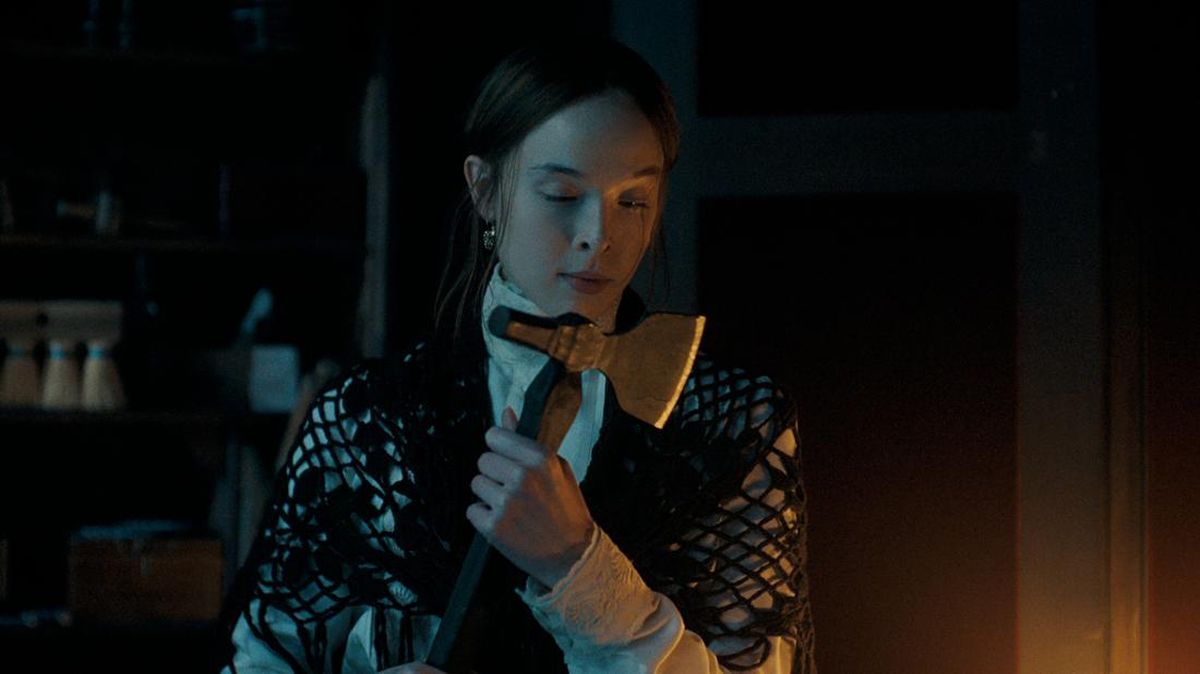
The announcement has already sparked intense anticipation among true-crime enthusiasts and drama aficionados alike. Following the unsettling deep-dives into notorious historical figures in previous iterations—such as Jeffrey Dahmer, the Menéndez brothers, and Ed Gein—the franchise now ventures into the late 19th century. The chilling narrative explores the grim events of August 4, 1892, in Fall River, Massachusetts, where Andrew and Abby Borden were brutally murdered with a hatchet inside their family home. With an ensemble cast featuring heavyweights like Vicky Krieps, Charlie Hunnam, Rebecca Hall, Jessica Barden, Joey Pollari, Billie Lourd, and Sarah Paulson, alongside Ella Beatty portraying the enigmatic Lizzie, the upcoming season promises a psychologically layered exploration of guilt, familial dysfunction, and Victorian-era societal constraints.
Origins and Deepening Family Tensions in Fall River
To understand the volatile atmosphere inside the Borden household, historians and legal analysts often look back at the complex family dynamics that preceded the gruesome murders. Lizzie Andrew Borden was born in Fall River, Massachusetts, in July 1860, as the youngest of three daughters born to Andrew Jackson Borden and Sarah Anthony Morse. Her early life was touched by tragedy; her mother passed away from hydrocephalus when Lizzie was just three years old, a loss compounded by the earlier death of her infant sister, Alice, at twenty-two months.
Andrew Borden, a self-made man of English and Welsh descent, rose from modest economic beginnings to become a highly successful and wealthy businessman in Fall River, heavily invested in real estate, textiles, and banking. Despite his considerable wealth, Andrew maintained a notoriously frugal lifestyle, a trait that frequently caused friction within his household. When Lizzie was six years old, Andrew married Abby Durfee Gray. What began as a traditional household arrangement gradually deteriorated into a toxic environment characterized by resentment and emotional distance.
As the years progressed, Lizzie and her older sister Emma grew increasingly estranged from their stepmother. Lizzie adamantly refused to call Abby "mother," opting instead for the formal and cold moniker "Mrs. Borden." The underlying tension was further exacerbated by financial disagreements and perceived favoritism. Lizzie openly criticized her father for bestowing real estate properties and financial gifts upon various members of Abby’s family while keeping his own daughters on a relatively tight financial leash. Lizzie and Emma firmly believed that Abby had married their father primarily for his substantial wealth, a suspicion that festered into deep-seated hostility within the domestic sphere.
The Chronology of a Crime: August 4, 1892
The simmering tensions within the Borden household culminated in a horrific tragedy during the scorching summer of August 1892. The timeline of the days leading up to the murders establishes a claustrophobic atmosphere of routine disrupted by violence.
On the evening of August 3, 1892, John Morse, the brother of Lizzie’s late mother Sarah, arrived at the Borden residence unannounced and decided to spend the night. The following morning, August 4, Andrew Borden, Abby Borden, John Morse, and the family’s live-in Irish maid, Bridget Sullivan, sat down together for a breakfast of leftover mutton. Shortly after the meal, John Morse departed to visit other relatives, and Andrew left the house to tend to his downtown business affairs.
With the men gone, the household routine continued. Abby Borden went upstairs to clean the guest bedroom—the very room where John Morse had slept—while Lizzie and Emma were reportedly occupied with domestic chores. Approximately an hour and a half later, Andrew Borden returned home. However, his key failed to unlock the front door properly, prompting Bridget Sullivan to rush to his assistance. As Sullivan struggled with the stubborn lock, she later testified that she heard a strange, mocking laugh emanate from the upper landing of the stairs.
Bridget proceeded to remove Andrew’s heavy outdoor boots and replace them with comfortable indoor slippers, after which the aging patriarch laid down on the living room sofa for a midday rest. What transpired next remains one of the most debated sequences in American criminal history. Sometime shortly before 11:00 AM, Lizzie raised an alarm, shouting frantically to Bridget that her father had been killed.
First responders and medical examiners arrived to find a scene of unspeakable carnage. Andrew Borden was discovered lying lifeless on the sofa, his face mutilated beyond recognition by multiple heavy blows from a hatchet. Shortly thereafter, a search of the upstairs guest room revealed the equally brutalized body of Abby Borden, who had also been struck numerous times in the head and back with the same or a similar sharp instrument. In the immediate aftermath, witnesses reported that Lizzie’s demeanor was unnervingly calm, shifting erratically between apparent grief and detached indifference—a behavioral anomaly that immediately drew the suspicion of local law enforcement.
Production Team and Creative Direction
Behind the scenes, Monster: The Lizzie Borden Story showcases a calculated shift in creative leadership. Ian Brennan, who served as the sole writer for the preceding season, Monster: The Ed Gein Story, returns as the singular writer for this fourth installment, ensuring continuity in the sharp, psychological storytelling style that defines the franchise.
However, in a departure from previous seasons where Brennan also shared directorial duties, the direction of the eight-episode season has been entrusted to acclaimed filmmakers Max Winkler and Sarah Adina Smith. Their collective expertise in handling tense, character-driven narratives is expected to heighten the atmospheric dread of late-19th-century New England, emphasizing the claustrophobia of Victorian domestic life and the ambiguity of the historical record.
The star-studded cast brings immense dramatic weight to the production. Vicky Krieps, Charlie Hunnam, Rebecca Hall, Jessica Barden, Joey Pollari, Billie Lourd, and Sarah Paulson form an ensemble capable of navigating the complex emotional terrain of the Borden tragedy. Ella Beatty’s portrayal of the titular character is anticipated to be the focal point of the series, navigating the delicate line between sympathetic victimhood and chilling calculation that has fascinated historians for over a century.
Broader Impact, Societal Context, and Historical Legacy
The enduring fascination with the Lizzie Borden case lies not merely in the brutality of the crimes, but in the profound cultural and legal shockwaves it generated in Victorian America. At a time when societal expectations dictated that women—especially those of upper-middle-class standing—were inherently nurturing, passive, and incapable of extreme physical violence, the mere accusation of Lizzie Borden challenged the foundational assumptions of the era’s legal and social systems.
The subsequent trial of Lizzie Borden in 1893 became a sensational media spectacle, often considered America’s first "trial of the century." Despite circumstantial evidence pointing toward her as the primary suspect—including her contradictory statements, the burning of a dress allegedly stained with paint or blood, and the fact that she was the only person known to be in the house at the time of the murders—her defense team successfully capitalized on prevailing gender biases. The all-male jury ultimately acquitted her, influenced heavily by the prevailing disbelief that a woman of her social standing could commit such a heinous act with a hatchet.
By bringing this case to a contemporary global audience through Netflix, Monster: The Lizzie Borden Story aims to reexamine the historical narrative through a modern psychological lens. Rather than presenting a simple whodunit, the series is expected to explore the systemic pressures, familial alienation, and psychological fractures that could drive individuals to the brink of unimaginable violence. As true-crime programming continues to evolve, this upcoming season offers a critical reflection on how society constructs notions of guilt, gender, and monstrosity across different historical epochs.