Maserati Forges Strategic Alliance with Huawei and JAC Motors to Revolutionize Electric Vehicle Lineup

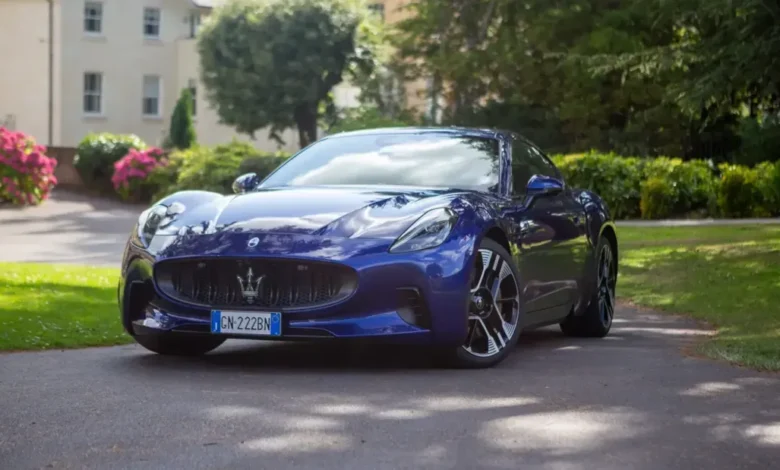
Maserati is embarking on a transformative journey to secure its future in the high-performance luxury segment by entering into a strategic partnership with Chinese automotive and technology giants Huawei and JAC Motors. This collaboration marks a pivotal shift for the storied Italian manufacturer, which has been grappling with declining sales and the immense pressure of transitioning to an all-electric portfolio. By leveraging China’s advanced EV manufacturing capabilities and cutting-edge software solutions, Maserati aims to revitalize its brand identity while maintaining the hallmark Italian craftsmanship that has defined its legacy for over a century.
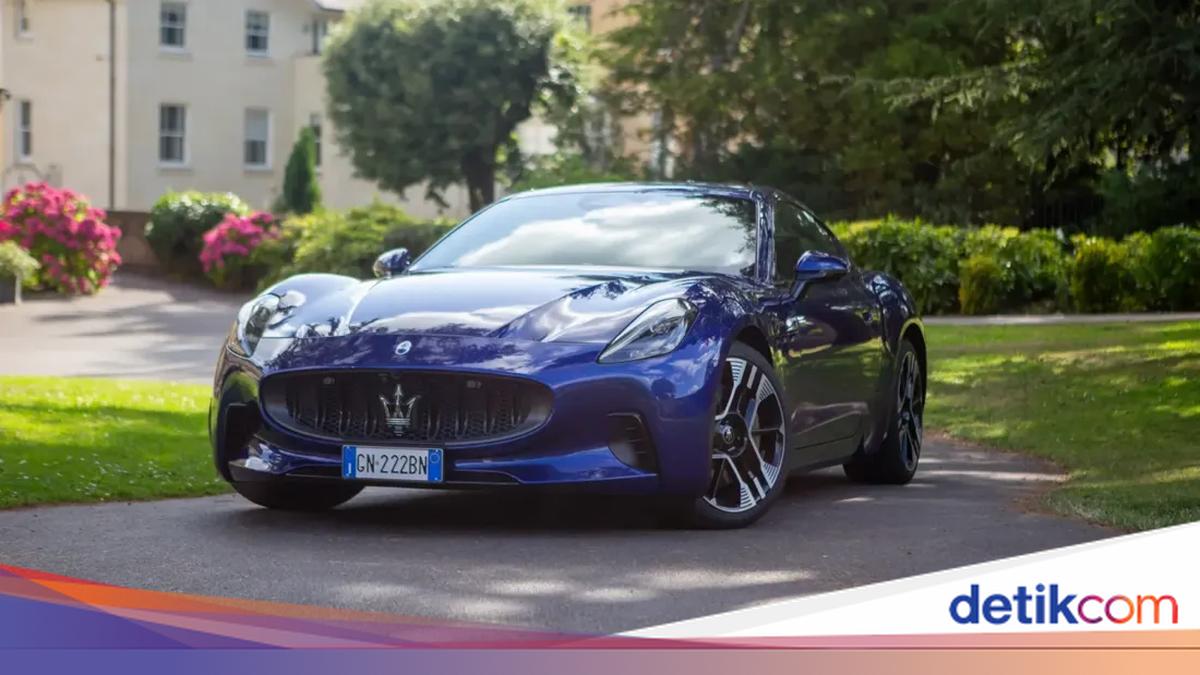
The partnership is slated to yield two flagship electric vehicles: a mid-to-large-sized SUV designed to complement the existing Grecale Folgore, and a high-performance grand tourer (GT) intended to serve as the successor to the GranTurismo Folgore. Industry analysts suggest that the GT model will be the first to roll off the assembly lines, acting as the spearhead for this technological infusion.
A Tripartite Synergy: Roles and Responsibilities
The architecture of this collaboration is built upon the distinct strengths of the three involved parties. Huawei, a global leader in connectivity and artificial intelligence, will serve as the technological backbone of the project. The company is set to integrate its sophisticated Qiankun Autonomous Driving System (ADS), which has garnered significant praise for its performance in competitive Chinese markets. Beyond autonomous capabilities, Huawei will provide the "Smart Cockpit" ecosystem, ensuring that Maserati’s future vehicles offer a seamless digital experience that rivals the most advanced consumer electronics.
JAC Motors, a veteran manufacturer in the Chinese automotive sector, has been tasked with the engineering and production heavy lifting. Operations will be anchored at the state-of-the-art Maextro facility in Hefei, China. Maextro, a high-end luxury brand incubated by JAC and Huawei, represents the pinnacle of Chinese manufacturing precision.
Maserati will retain its role as the creative and strategic architect. The Italian brand will dictate the design language, ensure the preservation of its brand identity, and manage the global sales network. Crucially, the differentiation between markets is a key part of the strategy: while the vehicles will carry the Maextro branding within the Chinese domestic market to leverage local consumer trends, the global iterations will bear the iconic Trident emblem, ensuring that the heritage and prestige of the Italian marque remain untarnished in Europe, North America, and the Middle East.
The Hybrid Production Model: Bridging East and West
One of the most innovative aspects of this partnership is the production logistics. To balance the need for cost-efficient, high-tech manufacturing with the requirement for "Made in Italy" prestige, Maserati is adopting a Semi Knocked Down (SKD) assembly process.
Under this model, the vehicle bodies will be engineered and manufactured at the JAC facility in Hefei in an unpainted state. These components will then be shipped to Italy, where the final assembly, intricate interior detailing, and crucial chassis fine-tuning will take place. This hybrid approach is designed to ensure that while the electrical architecture and core structural components benefit from China’s mature EV supply chain, the tactile and dynamic performance—the very essence of a Maserati—is finalized by Italian artisans.
This strategy serves a dual purpose. It allows Maserati to utilize the advanced technological ecosystem of China while simultaneously revitalizing its historic production facilities in Cassino and Modena. By keeping the final stages of production in Italy, the company hopes to maintain its premium pricing power and satisfy the expectations of its loyal European and international clientele.
Contextualizing the Strategic Pivot
The necessity for this collaboration stems from a challenging financial landscape. Maserati has faced significant headwinds in recent years. By 2025, the brand’s global delivery figures had plummeted to under 8,000 units, representing a staggering 80% contraction from its 2017 peak. This downturn has been exacerbated by a rapidly evolving luxury market where traditional internal combustion engines are being rapidly phased out in favor of electric alternatives.
The financial toll has been severe, with Maserati reporting an adjusted operating loss of 198 million euros in the preceding fiscal period. These figures triggered an urgent review by the parent company, Stellantis. Stellantis CEO Carlos Tavares has been vocal about the necessity of finding strategic industrial partners for Maserati to secure its future without resorting to a full divestment of the brand. The partnership with Huawei and JAC is the manifestation of that strategy—a move intended to provide the necessary capital, technology, and manufacturing efficiency to return the brand to profitability.
Timeline of the Transformation
The decision to pivot toward an Asian partnership follows a period of stagnation and internal restructuring within the Stellantis Group.
- 2017: Maserati hits a historical sales peak, driven by the popularity of the Levante and Ghibli models.
- 2020-2022: The global automotive industry faces supply chain disruptions; Maserati begins its "Folgore" electrification roadmap.
- 2024: Financial results show continued volatility, leading to a strategic search for technology partners.
- 2025: Official announcement of the collaboration with Huawei and JAC Motors to produce a new generation of electric SUVs and GTs.
- 2026-2027 (Projected): Prototype testing and the launch of the first collaborative GT model, with initial distribution in the Middle East and key European markets including Italy, France, and Germany.
Market Implications and Future Outlook
The entry of a legacy Italian luxury brand into a manufacturing partnership with Chinese entities signifies a broader shift in the global automotive hierarchy. Historically, European manufacturers have guarded their manufacturing processes with intense secrecy. However, the rapid development of EV software and battery technology in China has made such partnerships not just advantageous, but essential for survival.
Industry experts suggest that for Maserati, the implications are three-fold:
- Technological Parity: By integrating Huawei’s Qiankun ADS, Maserati can leapfrog several years of internal software development, allowing it to compete directly with high-tech electric rivals like Tesla, Lucid, and the high-end offerings from BYD and Nio.
- Operational Resilience: The partnership provides an immediate solution to the underutilization of production capacity, potentially lowering the unit cost of production through the efficiency of the Hefei facility.
- Brand Rejuvenation: By focusing on a "best of both worlds" narrative—Chinese tech intelligence paired with Italian design soul—Maserati aims to capture a younger, tech-savvy demographic that has previously looked toward emerging EV brands rather than traditional luxury marques.
However, the strategy is not without risks. Maintaining the "Maserati experience" while outsourcing significant portions of the vehicle’s core engineering to external partners will require stringent quality control. The success of the brand in the coming years will depend on whether consumers perceive the final product as a true Maserati or if the presence of Chinese manufacturing components dilutes the perceived value of the vehicle.
Stellantis has signaled that this move is part of a long-term plan to ensure Maserati remains an independent, high-performance brand within its portfolio. As the automotive industry navigates the "electric transition," the Maserati-Huawei-JAC project will be closely watched as a potential blueprint for how legacy brands can survive and thrive in an era of rapid technological disruption. If successful, this venture could serve as a case study for future international automotive collaborations, proving that the future of luxury may lie in the successful marriage of traditional artisan values and modern software-defined mobility.
Related posts: