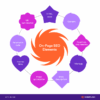

How to create measure and analyze seo topic clusters – How to create, measure, and analyze topic clusters is a crucial skill for anyone aiming to boost their website’s search engine rankings. This comprehensive guide breaks down the process, from defining your topic clusters to optimizing your content for maximum impact. We’ll cover everything from identifying core topics and building supporting content to measuring performance and making strategic adjustments.
Imagine a website organized like a well-structured library, with interconnected topics making it easy for users to find what they need. That’s the power of topic clusters. By carefully planning your content around core themes, you can attract more organic traffic and establish your website as a leading authority in your niche.
Defining Topic Clusters for : How To Create Measure And Analyze Seo Topic Clusters
Topic clusters are a powerful strategy that goes beyond simply creating individual blog posts. They’re a structured approach to content creation that focuses on grouping related topics around a core theme. This interconnected web of content provides comprehensive answers to user queries, improving user experience and, consequently, search engine rankings. Imagine a well-organized library, not just single books, but entire sections dedicated to related subjects.By focusing on interconnected topics, businesses can attract more targeted traffic and establish themselves as authoritative voices in their niche.
This approach builds trust with search engines and users, creating a positive feedback loop. It’s about anticipating user needs and providing in-depth, comprehensive information rather than scattering content across various, isolated pages.
Defining Topic Clusters
A topic cluster in is a group of interconnected web pages, blog posts, and other content pieces that revolve around a central, overarching topic. These interconnected topics address different aspects and s of the central theme, forming a comprehensive resource for users searching for information. Think of it as a pyramid structure, with the central topic forming the base and supporting s forming the layers above.
The goal is to create a comprehensive resource on a specific subject, rather than just a collection of individual pages.
Benefits of Topic Clusters
Topic clusters offer several advantages for and user experience. They improve user engagement, leading to longer session durations and lower bounce rates. This positive engagement signal helps search engines understand the value of your site and rank it higher. Also, the comprehensive nature of topic clusters helps establish authority and expertise, leading to increased credibility.
- Improved User Experience: Users find all the information they need in one place, leading to more time spent on your site.
- Enhanced Performance: Search engines recognize the value of comprehensive content, resulting in higher rankings and increased visibility.
- Stronger Brand Authority: By providing thorough information on a topic, your brand builds credibility and authority.
- Increased Backlinks: Comprehensive content often attracts backlinks, signaling to search engines that your content is valuable and trustworthy.
Core Concept of Interconnected Topics
The core idea behind topic clusters is the interconnectedness of content. Each piece of content within a cluster links back to the central topic and also connects to other related s. This interlinking helps search engines understand the relationship between different pages, creating a clear and organized structure. This structure signals to search engines that the content is valuable and comprehensive.
Visual Representation of a Topic Cluster
| Central Topic | 1 | 2 | 3 |
|---|---|---|---|
| Search Engine Optimization () | Research | On-Page Optimization | Off-Page Optimization |
This table represents a basic topic cluster structure. The central topic “” is connected to s like ” Research,” “On-Page Optimization,” and “Off-Page Optimization.” Each can have further sub-s, expanding the depth and breadth of the content.
Examples of Well-Structured Topic Clusters
Many websites excel at implementing topic clusters. For example, a blog focused on gardening might have a central topic like “Organic Gardening.” s could include “Composting,” “Soil Health,” “Pest Control,” and “Plant Selection.” Each would be explored in detail through individual blog posts, articles, and guides, all linked back to the central topic and each other.
Similarly, a finance blog could cluster around “Investing for Beginners,” with s like “Understanding Mutual Funds,” “Stock Market Basics,” and “Risk Management.” These interconnected s provide a wealth of information for the user and a clear structure for search engines.
Identifying Core Topics

Defining the core topics within your niche is crucial for building a robust strategy. These core topics form the foundation of your topic clusters, providing a framework for comprehensive content creation and attracting organic traffic. Effective identification ensures your content directly addresses user needs and search intent, ultimately leading to higher rankings and improved visibility.Identifying the right core topics is more than just listing s.
It’s about understanding the fundamental subjects within your industry that resonate with your target audience and drive search volume. This involves deep dives into user behavior, competitive analysis, and leveraging the power of research tools.
Figuring out how to create, measure, and analyze SEO topic clusters is a crucial skill for any digital marketer. Understanding how to structure content around a core theme is key, but knowing how to apply this knowledge in a job interview is also vital. For example, you might encounter questions about topic clusters in a digital marketing interview questions like digital marketing interview questions.
Once you’ve mastered the technical aspects of topic clustering, you’ll be well-equipped to implement successful SEO strategies across your website.
Brainstorming Potential Core Topics
A structured brainstorming session is vital for uncovering core topics. Start by listing all the key services, products, or information related to your niche. Consider various angles, including problem-solving, how-to guides, comparisons, and in-depth analyses. The goal is to generate a broad range of potential topics, ensuring you capture the full spectrum of user queries.
Researching Potential Core Topics
Thorough research is essential to validate your brainstorming sessions and identify topics with significant search volume. Tools like Google Planner, Ahrefs, SEMrush, and Moz Explorer can help you uncover relevant s and phrases related to your core topics. Analyze the search volume, competition, and difficulty to prioritize those with the highest potential for success.
Considering User Intent and Search Volume
Understanding user intent is critical. Are users looking for informational content, transactional content, or navigational content? Matching your content to the correct user intent increases the likelihood of satisfying their needs and earning higher rankings. Analyze the search queries associated with each to gain insight into the user’s goal. High search volume doesn’t guarantee success if the user intent doesn’t align with your content strategy.
Utilizing Tools and Resources
Leveraging tools and resources can significantly aid in discovering relevant core topics. Explore competitor websites, analyze their content strategy, and identify the topics they are focusing on. Analyze their rankings to discover gaps and opportunities. This competitive analysis helps you identify topics that your competitors aren’t fully addressing.
Organizing Core Topics in a Hierarchical Structure
This table illustrates a hierarchical structure for core topics, demonstrating how they can be organized for effective topic clustering.
| Core Topic | s |
|---|---|
| for E-commerce | On-Page Optimization, Off-Page Optimization, Technical , Product Page Optimization, Content Marketing for E-commerce |
| Social Media Marketing | Platform-Specific Strategies, Content Calendar Creation, Engagement Tactics, Influencer Marketing, Analytics & Reporting |
| Content Marketing Strategy | Content Pillars, Research, Content Calendar, Content Promotion, Measuring Content Performance |
Creating Supporting Content

Once you’ve identified your core topics, the next crucial step in building a powerful topic cluster is developing high-quality supporting content. This supporting content expands on the core topics, providing in-depth information and demonstrating your expertise in the subject area. Think of it as building a robust web of interconnected knowledge that satisfies user intent and rewards search engines.
This interconnectedness is vital for ranking well in search results.Creating comprehensive supporting content requires a strategic approach. It’s not enough to just touch on a topic; you need to delve deep, addressing all relevant aspects and nuances. This depth is what differentiates your content from the competition and establishes your authority in the field. A well-structured topic cluster will naturally attract and retain visitors, ultimately driving conversions.
Developing Supporting Content Pieces
Supporting content pieces are the detailed explanations, examples, and resources that elaborate on the core topics within your cluster. They can take various forms, including blog posts, guides, infographics, videos, and even downloadable resources. Each piece should add value by providing new insights or perspectives that build upon the core topic.
Strategies for Comprehensive Content
Creating in-depth content requires careful planning and execution. A structured approach is crucial for ensuring comprehensive coverage of the core topic. One strategy is to break down the core topic into smaller, manageable s. For example, if your core topic is ” for E-commerce,” s could include “product page optimization,” “site speed,” and “mobile-friendliness.” Each then becomes the focus of a supporting content piece.Another key strategy is to anticipate user questions and concerns.
Thorough research can reveal frequently asked questions (FAQs) related to the core topic. Addressing these questions directly in your supporting content can enhance user experience and provide valuable information.
Covering Various Facets of a Core Topic, How to create measure and analyze seo topic clusters
A crucial aspect of creating valuable supporting content is to explore all facets of the core topic. Consider different perspectives, angles, and potential challenges related to the core topic. This multi-faceted approach ensures that your content provides a complete picture, rather than a superficial overview. Providing diverse examples and case studies further strengthens the content and adds credibility.
Structure of Supporting Content
The structure of supporting content pieces plays a vital role in reader engagement and understanding. Consistent formatting, clear headings, and concise paragraphs contribute to a user-friendly experience. Use visuals such as images, charts, and videos to enhance comprehension and break up large blocks of text. Internal linking to other relevant content within your topic cluster is essential for guiding users and improving .
Example of Core Topic and Supporting Content Relationships
| Core Topic | Supporting Content | Description |
|---|---|---|
| for E-commerce | Blog Post: “Product Page Optimization Strategies” | Provides detailed strategies for optimizing product pages for search engines, including research, meta descriptions, and image optimization. |
| for E-commerce | Guide: “Mobile-First Indexing and E-commerce” | Explores the importance of mobile-friendliness for e-commerce sites and provides actionable steps to ensure a seamless mobile experience. |
| for E-commerce | Video Tutorial: “Setting up Google Analytics for E-commerce” | Demonstrates how to set up and use Google Analytics to track website traffic and user behavior for e-commerce sites. |
Measuring Content Performance
Once you’ve built out your topic clusters, it’s crucial to measure their effectiveness. Understanding how your content performs against your goals is essential for continuous improvement. This involves tracking various metrics to gauge the success of your strategy and identify areas for optimization. Without measurement, it’s impossible to know what’s working and what isn’t.Analyzing performance allows you to refine your approach and create more engaging and valuable content for your audience.
This data-driven approach empowers you to adjust your strategies based on what resonates with your readers, ultimately improving your search engine rankings and overall website performance.
Key Performance Indicators (KPIs) for Topic Clusters
Understanding which metrics matter most is critical. Different KPIs will highlight various aspects of performance, from overall traffic to specific engagement metrics. Tracking these indicators provides valuable insights into how well your topic clusters are attracting and engaging your target audience.
- Organic Traffic: This measures the number of visitors arriving at your site from search engine results pages (SERPs). High organic traffic suggests your topic clusters are effectively targeting relevant s and attracting users actively searching for information.
- Time on Page: This metric indicates how long visitors spend on pages within your cluster. Longer time on pages often signifies more engaging content that effectively addresses user needs.
- Bounce Rate: This shows the percentage of visitors who leave your site after viewing only one page. A high bounce rate may indicate that the content isn’t relevant or engaging enough to keep visitors on your site.
- Click-Through Rate (CTR): This measures the percentage of users who click on a specific link or result from a search engine result page. A high CTR indicates that your content is appealing and relevant to users searching for that topic.
- Conversion Rate: This tracks the percentage of visitors who complete a desired action, such as making a purchase, signing up for a newsletter, or filling out a form. A higher conversion rate indicates that your content is effectively driving desired outcomes.
Tracking Traffic and Engagement Data
Tools like Google Analytics are essential for tracking traffic and engagement data. They provide detailed insights into user behavior and interactions with your content. Understanding how users navigate your site, which pages they spend the most time on, and where they drop off is crucial for optimizing your topic clusters.Using filters and segments within your analytics platform allows you to analyze data for specific topics and related content.
This targeted approach provides a clearer picture of how different elements of your topic clusters perform. You can then isolate the success of particular clusters or identify areas for improvement.
Analyzing Supporting Content Effectiveness
The effectiveness of supporting content hinges on how well it enhances the core topic. Assessing the performance of individual pieces within a cluster is important to ensure each piece contributes to the overall success of the cluster.By analyzing individual page views, bounce rates, time on page, and other metrics, you can identify which supporting content pieces are resonating with users and which need improvement.
Figuring out how to create, measure, and analyze SEO topic clusters is key for boosting your site’s visibility. Understanding user intent and grouping related content is crucial. While SEO is important, you might also want to explore how to use targeted advertising effectively, like the 8 strategies for effective call-only ads on Google here. This can help you reach a specific audience looking for immediate contact.
Ultimately, these different approaches can be combined to create a comprehensive strategy for optimizing your website and increasing conversions.
This data-driven approach to analyzing supporting content allows for continuous improvement and refinement.
The Role of Analytics Tools
Tools like Google Analytics, SEMrush, Ahrefs, and others offer valuable features for analyzing the performance of your topic clusters. These tools provide insights into rankings, backlinks, and traffic sources, allowing you to fine-tune your strategy. Detailed reports and dashboards provide visual representations of your data, making it easier to identify patterns and trends.These platforms enable the collection and analysis of key metrics, helping you to assess the effectiveness of your topic clusters and refine your strategy.

Figuring out how to create, measure, and analyze SEO topic clusters is crucial for online success. Understanding the dynamics of a perfectly competitive market, like what is a perfectly competitive market , can help you optimize your strategy. Ultimately, these insights help you to refine your SEO topic cluster approach for better results in the long run.
Key Metrics and Significance
| Metric | Significance |
|---|---|
| Organic Traffic | Indicates the overall reach and visibility of your topic clusters in search results. |
| Time on Page | Reflects the engagement level of users with the content, suggesting its relevance and value. |
| Bounce Rate | Highlights the effectiveness of the content in capturing and maintaining user interest. |
| CTR | Demonstrates the attractiveness and relevance of your content to searchers. |
| Conversion Rate | Indicates how well your content drives desired actions and fulfills user needs. |
Analyzing and Optimizing Topic Clusters
Once you’ve established your topic clusters and generated supporting content, the next crucial step is analysis and optimization. This phase involves examining the performance of your content, identifying areas for improvement, and refining the overall cluster structure for better search engine visibility and user engagement. Effective analysis allows you to adapt your strategy in response to real-world data, ensuring your efforts are producing tangible results.Understanding how your content performs within the cluster is vital.
This involves tracking key metrics, pinpointing underperforming content, and understanding why certain pieces are more successful than others. By understanding these factors, you can make data-driven decisions to improve your cluster’s overall effectiveness and visibility.
Analyzing Performance Metrics
Tracking performance metrics provides valuable insights into the effectiveness of your topic cluster. Essential metrics include organic traffic, rankings, time on page, bounce rate, and conversion rates. Regularly monitoring these metrics allows you to understand how your content is performing in search results and how users are engaging with it. This data is crucial for identifying trends and patterns.
Identifying Underperforming and Overperforming Content
A systematic approach to analyzing performance metrics is essential for identifying underperforming or overperforming content. Utilize tools like Google Analytics and Search Console to track key performance indicators. Underperforming content might need rewriting, restructuring, or even removal if it no longer aligns with the cluster’s focus. Overperforming content can be analyzed for its strengths, which can then be replicated in other pieces.
Optimizing Content Based on Performance Data
Optimizing content based on performance data requires a nuanced approach. If a piece is underperforming, consider factors like relevance, content depth, and overall quality. Are the s still relevant to user searches? Does the content provide comprehensive and valuable information? If necessary, update the content with fresh information, improve its structure, and ensure it is well-optimized for search engines.
For overperforming content, understand what makes it effective and replicate these elements in other pieces of the cluster.
Refining Topic Cluster Structure
Regularly evaluating your topic cluster structure is essential for maintaining its effectiveness. Identify gaps in the cluster. Do any important s lack corresponding content? Assess whether the cluster’s hierarchy accurately reflects user search intent and the relationships between topics. Adjust the cluster structure to address these gaps and ensure that the hierarchy is logical and intuitive for both users and search engines.
Updating and Restructuring Content
Updating and restructuring content to enhance performance requires careful planning and execution. If a piece of content is outdated or inaccurate, it should be updated. Consider restructuring existing content to enhance clarity, organization, and readability. Add internal links to connect related content within the cluster, creating a more interconnected and user-friendly experience. Consider adding new content to address emerging trends or user questions.
Building a Content Strategy Based on Topic Clusters
A robust content strategy is the cornerstone of any successful campaign. Moving beyond individual s, topic clusters allow you to create a comprehensive and interconnected web of content that deeply satisfies user intent and positions your site as an authority in your niche. This strategy goes beyond simple optimization to build a holistic approach, encouraging organic growth and attracting qualified traffic.A well-structured topic cluster strategy, meticulously mapping out related themes and s, will create a powerful and sustainable content ecosystem.
This ecosystem will naturally attract and engage visitors, transforming them into valuable leads and customers. This approach requires careful planning, resource allocation, and consistent monitoring to ensure maximum impact.
Developing a Comprehensive Content Strategy
A successful topic cluster strategy necessitates a clear understanding of your target audience and business goals. You must identify the overarching themes relevant to your industry and create content that addresses those themes in a comprehensive way. This approach requires a holistic view of your target audience’s needs and interests.
Identifying Core Topics and Their Supporting Content
The initial step involves identifying the core topics that form the foundation of your cluster. These topics should align with your business goals and represent areas where your target audience seeks information. Supporting content, such as blog posts, guides, and infographics, should then be created to expand on these core topics, creating a deeper level of engagement and user value.
Content Creation and Optimization
The creation of high-quality, -optimized content is paramount. This involves using relevant s, crafting compelling narratives, and ensuring the content is easily understandable and engaging for the target audience. A critical aspect of optimization is ensuring internal linking between related pieces of content, creating a cohesive and user-friendly experience.
Aligning Content Strategy with Business Goals
A well-defined content strategy must directly support your business objectives. Whether it’s driving leads, increasing brand awareness, or boosting sales, your content should be explicitly designed to achieve those goals. This alignment ensures that your content efforts are not only optimized for search engines but also contribute directly to your bottom line.
Step-by-Step Implementation of a Topic Cluster Strategy
- Define your core topics and identify the main themes that resonate with your target audience. Prioritize topics that directly address your business objectives.
- Create supporting content, such as blog posts, guides, and infographics, that delve deeper into the core topics. These pieces should address specific questions and offer in-depth solutions for your target audience.
- Implement a robust internal linking strategy to connect related content pieces. This creates a user-friendly experience, improving user engagement and search engine visibility.
- Continuously analyze and optimize your content based on performance metrics. Track key metrics like organic traffic, time on site, and bounce rate to identify areas for improvement.
- Allocate resources for content development and promotion. This includes allocating budget for content creation, hiring writers, and investing in promotion activities.
Resource Allocation for Content Development and Promotion
Effective resource allocation is crucial for a successful topic cluster strategy. This includes allocating budget for content creation, hiring writers, and investing in promotion activities. Consider the expertise needed for various tasks, such as writing, editing, and graphic design. A well-defined budget ensures that resources are allocated efficiently to maximize impact. Consider different content formats to optimize engagement and provide diverse learning experiences for the audience.
Conclusive Thoughts
In conclusion, creating, measuring, and analyzing topic clusters is a multifaceted process that requires careful planning, consistent monitoring, and a data-driven approach. By understanding how to organize your content around core topics, you can create a user-friendly experience that satisfies search intent, ultimately leading to higher rankings and increased organic traffic. Remember, the key is to continually analyze and optimize your clusters based on performance data.